28 December, 2025 | 6:02 PM


How repealing MNREGA will affect the workers in India
28-12-2025 12:00:00 AM
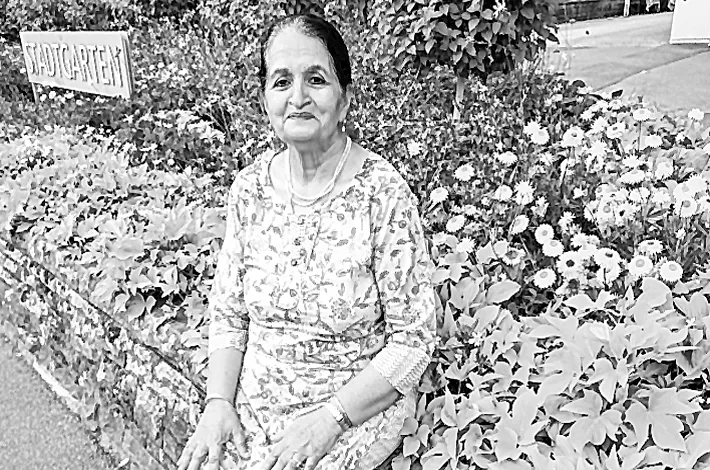
Workers across all sectors have lost their bargaining power. But it is the women in rural India who are going to be the main sufferers
MGNREGA, introduced in 2006, had emerged as the largest programme in the world for providing employment to the rural poor. Statistics show that within a short span of its first ten years, it helped generate 20 billion person-days of employment, benefitting 276 million workers, of which more than half were women.
Women admit that in 2009-10, this programme had helped provide employment of 60 days per household, but by 2014-15, the numbers had plummeted to 30-40 days per household, and the graph was only declining.
But even when the graph of workdays was declining, women remained the largest group of beneficiaries under the MGNREGS, making up over half of the total workforce. Statistics collected by different agencies show that in Tamil Nadu, women comprised 70-75 per cent of the workforce, while in Rajasthan, the figure was 70 per cent. In Kerala, elderly women comprised 80 per cent of the workforce. The reason for their doing so is interesting. They found working in MNREGA a more dignified form of employment because, as they put it, “we are working for our village panchayats and not taking up some odd job here and there.”
In the financial year 2023-24, women’s participation in MNREGA had reached a ten-year high of approximately 58.8% nationally. Apart from the statutory requirement of over one-third of beneficiaries being women, other key factors for their participation included the fact that this scheme ensured they got equal wages, and because work proximity had been laid out to be within a 5 km radius of a worker’s home, it allowed for women to complete their household responsibilities and also take up work outside their homes.
MNREGA played a salient role during the Covid pandemic in providing jobs at a time when unplanned lockdown had flattened the curve of the economy.
An outstanding study conducted by the Centre for Sustainable Employment, Azim Premji University, and the Samaj Pragati Sahyog revealed that wages earned under MGNREGA had helped compensate income loss of between 20% and 80% incurred during the Covid lockdown by vulnerable households and how it had gone on to provide work to 15.4 crore workers between 2022 and 2023.
It is tragic that such powerful, pro-poor legislation was ridiculed by PM Modi in the Parliament in 2015 when he said that it represented the failure of the Congress regime. The scheme was also accused of having corruption snags, but as Nikhil Dey, activist and co-founder of Mazdoor Kisan Shakti Sangathan, said, “The bureaucrats heading the scheme were responsible for corruption. They should have been investigated upon.”
It should come as no surprise that women have been in the forefront in criticising the repealing of MNREGA with VB-G RAM G, which they believe will take away their bargaining power completely.
While MGNREGA is based on a bottom-up approach with panchayats as the fulcrum for designing the architecture of the right to work, the so-called G RAM G 2025 legislation is fully operated by the central government and will uphold the top-down approach.
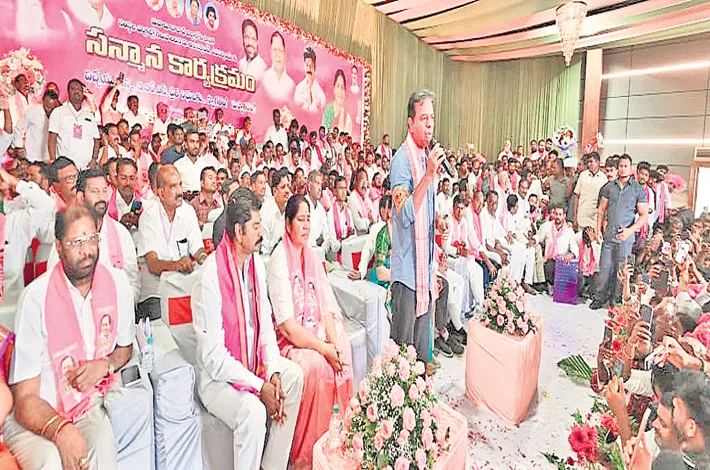
A large meeting of women, who had benefitted from MNREGA, was organised in Varanasi, Modi’s constituency, last week, where they spoke out forcefully about how the scheme had left them empowered and had helped them step out of their homes to open bank accounts and, most importantly, had helped increase their sense of self-esteem.
A local woman leader, Ram Beti, summed up the popular sentiment when she said, “Our focus all these years was to highlight issues such as delayed payments because once this began to happen, the men had no choice but to migrate to larger cities in search of work. Our village had emptied out, and the only menfolk left were young boys and old men.
The government has forgotten that under MNREGA, we helped create assets for our villages, such as the building of roads, ponds and toilets. In the initial years, it stopped menfolk from migrating to larger towns since men preferred to stay back and work from their homes. The introduction of new technological initiatives in which our payments were linked to bank accounts and Aadhar cards often did not help us because we would have to make repeated trips to the bank to collect payments, as the internet did not work.”
The new law’s claim to work guarantee is a misnomer because it suspends work during peak agricultural season for six months. It will also put a heavy burden on states by reducing the share of the Union government from 90% in MGNREGA to 60%.
Why, then, was the government so keen to push the VB-G RAM G, given that they knew several states are not in a position to bear the additional financial burden, and if the states do not fork out their share of the funds, no new project under G RAM G will be able to commence?
Economist Prof. Arun Kumar believes this double whammy of the introduction of the new labour laws along with the new G RAM G scheme was brought in to deliberately depress wages and reduce the bargaining power of the workers.
With President Trump pushing the Modi government to open up our farm sector to cheaper US goods, Indian businessmen believe they will be able to compete only if the wages of workers in both rural and urban India come down substantially. These two laws are a step in that direction.
But there is another dimension to this new law which can have serious consequences. The centre will now be the deciding authority on which region or area they want to allocate work to and how much funds should be sanctioned.
“It provides a work guarantee without any guarantee that the guarantee applies,” economist Jean Dreze points out.
Moreover, the work will be planned under Viksit Gram Panchayat plans but only after the stamp of approval has been given by the central government. This will effectively reduce the power of the gram panchayats. The only states where the centre will pick up 90 per cent of the tab are the Northeast states, Uttarakhand, Himachal Pradesh, and Jammu and Kashmir.
Workers across all sectors have lost their bargaining power. But it is the women in rural India who are going to be the main sufferers. The question is, will five kilos of grain prove a sufficient palliative to see them through their trying times?