27 October, 2026 | 6:27 PM


HPV vaccination: Protection that goes beyond cervical cancer
10-01-2026 12:00:00 AM
Public awareness about HPV vaccination has grown significantly in recent years, especially regarding its role in preventing cervical cancer. This awareness is crucial—but still incomplete. The Human Papillomavirus (HPV) vaccine is not just a “cervical cancer vaccine.” It is, in fact, a broad-spectrum cancer-prevention tool for both women and men.
HPV is one of the most common viral infections worldwide. Certain high-risk HPV types are responsible for almost all cervical cancers. Beyond this, HPV is also linked to cancers of the vulva, vagina, anus, penis, and a rising number of oropharyngeal cancers involving the throat, tonsils, and base of the tongue. Low-risk HPV types cause genital warts, which, though benign, can significantly affect quality of life.
For girls, the ideal age for HPV vaccination is between 9 and 14 years, before exposure to the virus, when the immune response is strongest. At this age, two doses are sufficient. If vaccination is started later—after 15 years of age—three doses are recommended. Catch-up vaccination is routinely advised up to 26 years.
What many people do not know is that extended age vaccination is possible. International guidelines now support HPV vaccination for men and women up to 45 years of age, after consultation with a doctor. Even if someone has been exposed to one HPV type, the vaccine can still protect against other high-risk strains.
HPV vaccination is equally important for boys and men. It helps prevent penile cancer, anal cancer, genital warts, and HPV-related throat cancers. Vaccinating boys also reduces virus transmission, offering indirect protection to women and strengthening population-level cancer prevention.
It is important to understand that HPV vaccination does not promote early sexual activity and does not replace regular cervical screening such as Pap smears. It complements screening by preventing infection in the first place.
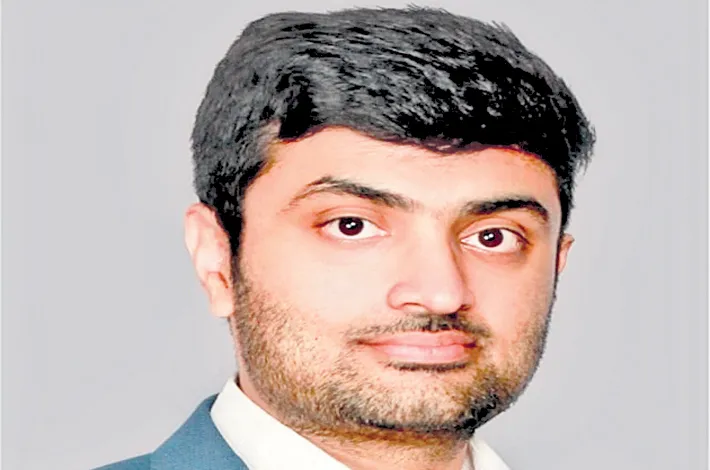
As a surgical oncologist who treats HPV-related cancers, I see firsthand how devastating these diseases can be. HPV vaccination offers us a rare opportunity in medicine—to prevent multiple cancers with a simple, safe, and effective intervention. Protecting our children and young adults today means saving lives tomorrow.
-Dr. Ajay Varun Reddy, Sr Surgical Oncologist & Sr Consultant Robotic Surgical Oncologist, Medicover Hospitals