23 October, 2026 | 3:34 AM


Hum Nahi Manthe, Hum Nahi Janthe
10-08-2026 12:00:00 AM
Gen Z, Alpha take media to cleaners
metro india news I hyderabad
In Pakistan, when a military dictator like Gen Ayub Khan started turning the country into a permanent dictatorship, well known Urdu poet from Pakistan Habib Jalib came out with a revolutionary song Dastoor” in which he says we will not accept and recognise the existence of any dictatorship and its words. It became a torch bearer for several progressive and anti-dictatorship movements across the globe.
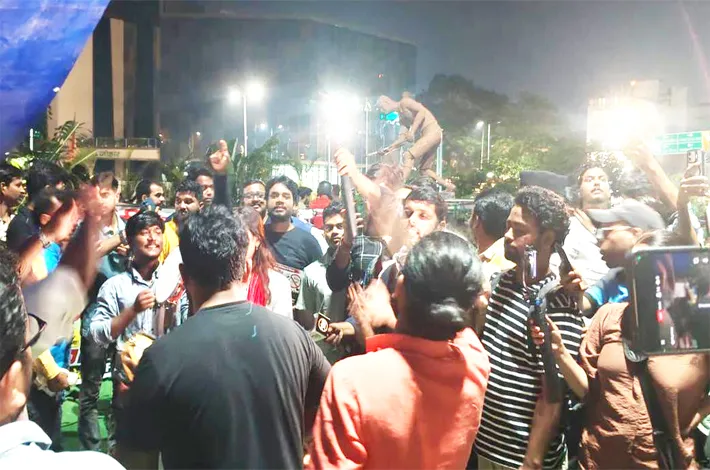
The students and Gen Z protests at Jantar Mantar in New Delhi, in Ranchi in Jharkhand once again reminded one of Dastoor. The protesting youth at both the places, and across the country are now saying they will not accept or trust the mainstream media which they say is biased and turned stooges of the powers that be.
Protesters used smartphones extensively—recording, live-streaming, creating memes, reels, and Shorts that circulated widely on Instagram, YouTube, and X. Placards and digital content mixed pointed criticism of exam failures with humour, satire, and generational slang. Parallel protests emerged in Ranchi. From late July onwards, students and job aspirants staged sit-ins and hunger strikes at venues including a stadium, demanding cancellation of controversial stages of Jharkhand Public Service Commission and Jharkhand Staff Selection Commission examinations, a CBI probe into alleged irregularities including leaked or manipulated materials, and broader reforms in state recruitment processes.
Both sites featured heavy participation by Gen Z and younger voices, with some observers noting involvement or online engagement from Gen Alpha as well. Social media served as the primary organising and narrative tool. Participants generated and shared content that often bypassed or directly challenged traditional television and print coverage. Comments sections, parody videos, and short-form clips frequently mocked what protesters described as selective or insufficient reporting by major channels.
At Jantar Mantar in particular, crews from several mainstream outlets faced chants of “Godi media,” heckling, and in some documented cases physical confrontation, reflecting accumulated distrust. The term “Godi media,” long used by critics to suggest overly close alignment between certain outlets and the central government, gained renewed visibility. Independent digital creators and citizen journalists filled gaps, streaming events in real time and amplifying protester perspectives.
The protests illustrate a generational preference for direct, digital modes of expression over reliance on legacy media as the sole intermediary. Some slogans and placards at Jantar Mantar extended criticism beyond to broader political leadership, reflecting accumulated dissatisfaction.
Delhi’s protests, occurring in the national capital and linked to a high-profile central exam, drew intensive scrutiny once momentum built. Ranchi’s agitation, focused on state-level recruitment under a non-BJP government, prompted discussion about relative attention and framing, with some digital commentators highlighting perceived inconsistencies in how different protests are treated. Underlying pressures include elevated youth unemployment. Periodic Labour Force Survey data showed the unemployment rate for those aged 15-29 at around 9.9 percent in the 2025 annual figures, with monthly Current Weekly Status estimates reaching 16.2 percent in June 2026—higher than the overall rate.
Repeated paper-leak controversies in recent years have eroded confidence in the fairness of these gatekeeping systems. Responses from established institutions varied. In Jharkhand, state officials engaged in talks with protesters while investigations proceeded. RSS chief Mohan Bhagwat, speaking in early August, described Gen Z grievances as genuine, affirmed that protesting does not make young people anti-national, and framed protest as a form of democratic dialogue aimed at consensus and system correction rather than division. He emphasised the honesty of the younger generation and the need for respectful engagement.
These events have contributed to public conversation about media credibility. When large numbers of digitally native citizens document events themselves and question traditional gatekeepers, outlets face pressure to demonstrate independence and thoroughness. At the same time, the speed and reach of social media introduce their own challenges of verification and amplification. The youth movements have demonstrated organisational capacity through humour, persistence, and networked communication, while highlighting structural issues in education and employment that predate any single government. The trajectory remains fluid.
Jantar Mantar achieved a ministerial resignation and promises of reform. Ranchi’s protesters continue pressing for concrete outcomes on recruitment processes. In both cases, young citizens have asserted a claim to be heard on matters that shape their futures, using the tools of their generation to shape public discourse and demand institutional responsiveness.
Godi Media journalist Aman Chopra hurled with Dalal Dalal chants and thrown off stage in Jharkhand. He was trying to praise BJP from the stage, students noted it and brutally cooked him.