22 October, 2026 | 8:19 PM


India prioritises domestic fuel requirements first
19-03-2026 12:00:00 AM
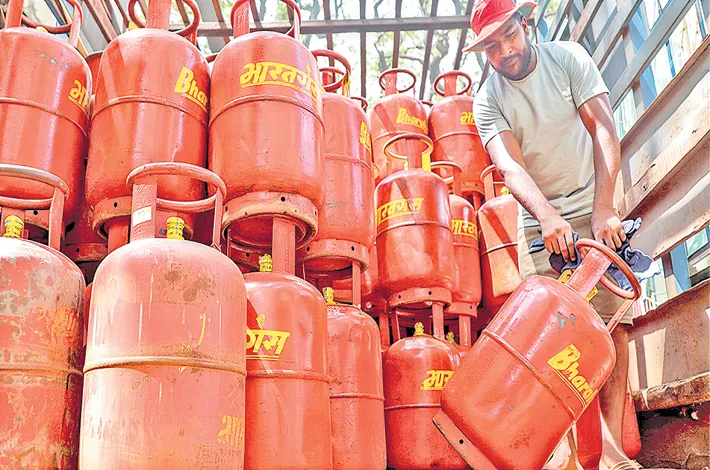
India has decided to prioritise domestic fuel requirements before responding to supply requests from neighbouring countries, as ongoing geopolitical tensions in West Asia disrupt energy markets.
“Rashtrahit Sarvopari (Nation First),” said Sujata Sharma, Joint Secretary in the Ministry of Petroleum and Natural Gas. She added that domestic demand must be fully met, and only any surplus could be considered for export under appropriate authority.
Several neighbouring nations, including Bangladesh, Sri Lanka, and the Maldives, have approached India for emergency fuel supplies to offset shortages caused by the conflict in West Asia. Bangladesh requested diesel beyond its existing 5,000-tonne pipeline supply, while Sri Lanka and the Maldives also sought additional fuel. Nepal has reportedly asked for an extra 3,000 tonnes of LPG per month, and India continues to supply petrol, diesel, and LPG to Bhutan as well.
India has significant surplus refining capacity, producing more fuel than domestic consumption, with surplus quantities usually exported. However, the ongoing war has affected the supply of crude oil and products like LPG. India imports around 88 per cent of its crude oil, 50 per cent of its natural gas, and 60 per cent of LPG, with much of it coming from Middle Eastern countries such as Saudi Arabia, Iraq, and the UAE via the Strait of Hormuz. The strait’s blockage has disrupted these shipments, especially for LPG and natural gas, which heavily rely on this route.
To maintain domestic supply, India has partially diversified crude imports, sourcing from Russia, West Africa, the US, and Latin America. While this ensures continuity, these alternative sources are costlier due to higher freight and insurance charges.
Despite these challenges, domestic supply of petrol and diesel has remained stable, ensuring uninterrupted availability for consumers. However, industrial and commercial users have seen curtailment in LPG and gas supply due to reduced imports from the Middle East.
The government has emphasised that internal fuel security will remain the primary focus. Export decisions to neighbouring countries will only be taken after full domestic requirements are met, ensuring India navigates both its internal energy needs and regional obligations amid the ongoing crisis.
With tensions in West Asia continuing, India’s approach reflects a balance between safeguarding domestic energy security and responding to requests from countries in the region, keeping surplus fuels available only when national demand is fully satisfied.