22 September, 2026 | 8:50 PM


Indore water tragedy- Are we failing in basics?
03-01-2026 12:00:00 AM
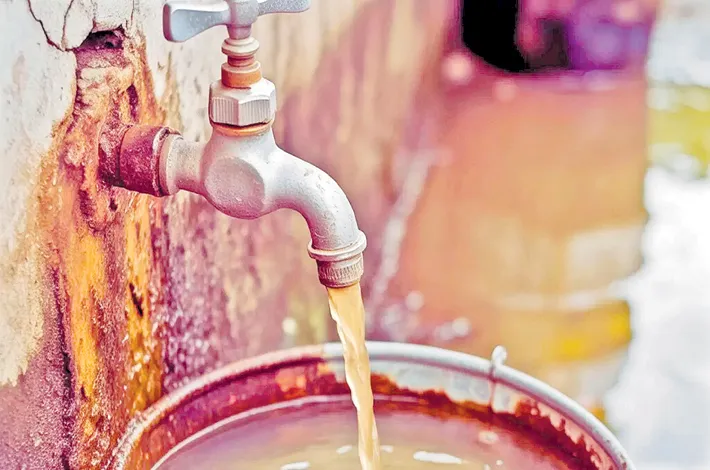
In a shocking turn of events, Indore—long celebrated as India's cleanest city—has been plunged into a severe public health emergency. Late December 2025 saw the emergence of a deadly outbreak in the city's Bhagiratpura area, triggered by contaminated municipal drinking water from the Narmada pipeline. Residents have reported widespread cases of vomiting and diarrhea, leading to multiple fatalities and hospitalizations. The crisis has exposed critical flaws in infrastructure, raising urgent questions about accountability and the right to clean water.
Initial reports of illness surfaced about a week ago, with locals claiming that at least 13 people, including a six-month-old child, have died from the contamination. However, official figures confirm only four deaths so far, though investigations suggest the toll could be as high as eight, with many cases potentially unaccounted for. Over 100 residents have fallen ill, and numerous individuals require hospital care. The contamination stemmed from a catastrophic infrastructure failure: sewage from a nearby police station check post seeped into the main water line, creating a toxic mix that has devastated the community.
As the situation unfolds, a discussion has emerged among experts on the causes, implications and necessary responses. A former office bearer of the Indian Medical Association (IMA), described the incident as "very unfortunate" in a modern city like Indore, attributing it to sewage mixing with drinking water lines. He emphasized that such outbreaks are typically caused by bacteria or viruses, and stressed the importance of assessing the bacterial load through laboratory reports. He highlighted that timely medical intervention could prevent deaths, which often result from dehydration if treatment is delayed. "If they get timely treatment, no death should occur even if there is severe contamination," he noted, calling for immediate healthcare access and clean water supply via alternative sources like tankers.
Critics, including Congress leaders, labelled the tragedy "avoidable" and even "murder" due to repeated failures in water safety, pointing to similar incidents in Indore in previous years (such as cholera-like cases and uncleaned tanks). They accused the ruling BJP government of negligence, delayed action on complaints, and protecting senior officials while only punishing juniors. Defenders of the administration emphasized swift measures like suspensions, apologies from involved ministers (including local MLA Kailash Vijayvargiya),and ongoing relief efforts, urging against politicization and calling for unity in supporting the victims and their families.
A cardiologist echoed concerns about systemic negligence, blaming India's "chalta hai" (it'll do) and "jugaad" (makeshift) attitudes for allowing such tragedies. With over 35 years in medicine, he lamented the shabby handling of public health crises, even in a supposedly clean city like Indore. He described the outbreak as epidemic-like, overwhelming hospitals with around 150 patients amid poor infrastructure and overworked doctors.
He stressed the need for rapid response: securing IV lines, antibiotics, and infrastructure to manage the surge. Extending the discussion, he connected the issue to other societal failures, such as annual road deaths exceeding two lakh, and called for punitive actions to break the cycle of blame among citizens, government, judiciary, and bureaucracy. "The buck stops here," he asserted, urging that someone must be held responsible to enforce change.
An environmentalist reinforced the view that this constitutes an epidemic, expressing dismay that the new year began with such an environmental disaster. She detailed the faulty infrastructure, noting that the pipeline ran beneath a toilet, allowing leaks to contaminate the supply—a "very unhygienic" setup indicative of negligence. She demanded that those responsible be "caught by the collar," facing not just financial penalties but job loss and punishment to deter future lapses.
The paradox is stark: Indore, crowned India's cleanest city multiple times in national rankings, now faces scrutiny over such fundamental failures in water and sanitation infrastructure. Residents and observers question why basic potable water—the most essential right—remains elusive despite awards and budgets. While accountability measures are underway, the grieving families demand more than promises: they seek justice, prevention of recurrence, and answers for why warnings went unheeded.
While it was unanimously agreed that urgent action needs to be taken in the next 24 hours: isolating contaminated areas, ensuring alternative water supplies, and fostering public awareness to maintain hygiene, doctors warned that without stricter enforcement such incidents would persist and be forgotten. Environmental activists reiterated the need for exemplary punishments, drawing parallels to U.S. systems where heavy fines bankrupt negligent entities. The crisis in Indore serves as a stark reminder of India's vulnerabilities, demanding not just immediate relief but systemic reforms to safeguard lives.