22 September, 2026 | 8:12 PM


Of Rushikonda palace, charter flights and accountability
03-01-2026 12:00:00 AM
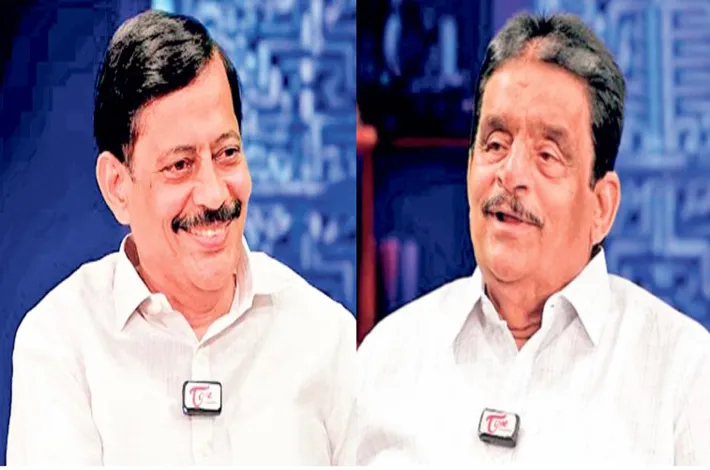
In the realm of Indian politics, particularly in Andhra Pradesh, questions of financial accountability often arise, challenging whether economic principles apply equally to the common citizen and the political elite. Leaders and officials are meant to serve the public, yet many appear to act more like party agents, bending rules for personal or political gain. Parties in power seem to flourish while officials bow to their whims, raising the fundamental query: for whom is this governance truly intended? Recently , K. Ravi Shankar, the MD of a news portal TeluguOne and Dolendra Prasad, the editor of a Telugu journal Zaminryot highlighted extravagant travels by figures like Nara Lokesh and Pawan Kalyan, often funded through government resources, despite claims of using private means. When pressed on whether the government possesses charter flights, responses evade authenticity, pointing instead to a pattern where past wrongdoers receive honors in new regimes.
This culture of collusion extends to bureaucratic failures, where IAS officers have been implicated in purchasing vehicles with election funds or approving projects riddled with violations in coastal regulation zones (CRZ), environmental norms, and forest laws. Such bureaucrats who enable these violations, the two commentators say, deserve punishment, yet they often escape unscathed. The rivalry between parties like YSRCP and TDP boils down to a mere scramble for power—who sits in the chair—rather than genuine reform.
Politicians come and go every five years, but the permanent bureaucracy bears the responsibility to oversee expenditures and ensure fiscal prudence. When wasteful spending occurs, officials who remain silent or complicit, signing off on misuse of public funds like passive spectators, must be held accountable. Wastefulness manifests in two forms: personal extravagance and governmental misuse, both draining the state's coffers.
Personal extravagance includes unnecessary helicopter rides from Amaravati to Gannavaram instead of cars, or frequent charter flights to Hyderabad every weekend. These special flights, rented at rates of six lakhs per hour, cost the government 10-15 lakhs for a single round trip from Vijayawada to Hyderabad. Clarifications from officials, such as Lokesh not using education ministry funds for travel, are misleading; expenses are simply shifted to the chief minister's account.
Even as de facto chief minister or during events like the Visakhapatnam Global Summit, such travels burden public finances. More alarmingly, when ministers or chief ministers accept helicopters from real estate tycoons or businessmen, it reeks of corruption—quid pro quo arrangements where favors are exchanged for influence, violating ethical norms. In the past, collectors like SR Shankaran avoided using government vehicles for personal cinema trips, opting for rickshaws to maintain integrity. Today, the distinction between official and private use has blurred.
Collectors and secretaries boast multiple cars—three to five each—sourced from government departments or corporations under their purview. Some even buy vehicles with unlimited election budgets, using them personally long after polls end. While government-purchased cars have spending limits, corporations offer unrestricted funds and approvals, allowing officials to bypass rules. IAS officers craft regulations with loopholes, ensuring they can violate them when convenient, leading to unchecked escalations in project costs.
A stark example is the Rushikonda palace, initially approved for around 200 crores but ballooning to 600 crores—triple the estimate—amid CRZ, environmental, and forest violations. The bureaucrat who approved this, despite clear infractions, faces no repercussions; instead, such officials are rewarded with promotions. Previous governments painted public buildings in party colors, costing 2000-2500 crores, only to repaint after court rebukes, wasting another 2000 crores—totaling 5000 crores in misuse. Who signs these checks? IAS officers, yet no actions are taken against them. Taxpayers diligently pay their dues expecting funds to improve lives or infrastructure, not fuel politicians' whims. The absence of accountability stems from a lack of integrity among modern IAS officers, who prioritize personal gains like villas in Bengaluru or apartments in Hyderabad from day one, unlike their principled predecessors. Political parties collude in this system. TDP and YSRCP fight only for the throne but share power's spoils. Opposition questions trivial issues like temple laddus, ignoring massive wastes like 900 crores on boundary stones emblazoned with leaders' photos or 14-15 crores on a chief minister's home fencing. No one demands recovery under the Revenue Recovery Act. Public oversight has waned; communist parties and civil society, once vocal, are now ineffective. In Indira Gandhi's era, leaders feared questions from figures like S A Dange or B T Ranadive. Assemblies hosted diverse voices—Congress, communists, Janata, Jan Sangh—ensuring constructive criticism. Today, with only two dominant parties, discussions devolve into mutual abuse or self-praise, leaving no room for accountability. Ultimately, this system thrives on silence. Bureaucrats who enabled extravagant personal expenses or massive violations go unpunished. Parties like TDP fail the public through these collusive politics. Only the public can demand accountability, as seen in recent outcries over issues like Shirdi Sai Electricals. Without revived civil movements and honest opposition, wasteful spending will continue, eroding trust in governance. The regime may change, but the system remains the same, plundering public resources unchecked.