26 September, 2026 | 3:21 PM


Political consultancies redefine Indian electoral politics
14-05-2026 12:00:00 AM
Metro India News | Hyderabad
The rise of political consultancy firms has transformed Indian politics, turning what was once a largely behind-the-scenes activity into a visible “shadow cabinet” of modern elections. From strategy formulation and voter surveys to social media narrative building and candidate positioning, these firms now influence almost every political decision. Traditional politics, which relied heavily on cadre strength, ideological commitment, and emotional bonding with voters, is gradually being replaced by data-driven election management and perception engineering.
Indian elections today are increasingly conducted with a Silicon Valley-style approach, where campaigns are no longer driven solely by senior leaders or grassroots workers, but by professionals using analytics, psychological profiling, and targeted digital outreach. This has introduced an American-style campaign culture, where personality branding and image creation often matter more than ideology or party manifestos. Politics is now shaped by cinematic storytelling, digital visibility and designed communication strategies.
The biggest transformation in voter behavior is evident. Earlier, voting was shaped by caste equations, party loyalty, and large public meetings. Today, the mobile phone has become the main political battlefield. Reels, memes, short videos, WhatsApp forwards, and targeted messaging influence public opinion faster than traditional campaigns. A 30-second viral clip can build a leader overnight, while a meme can damage long-standing reputations.
This marks the age of psychological political engineering, where artificial intelligence and data tools send different narratives to different voter groups based on emotions and aspirations. This shift has weakened grassroots party workers. Earlier, local cadre acted as a bridge between leaders and people, but now decisions are often shaped by consultants in data rooms and war rooms. Candidate selection, slogans, speeches, and campaign attacks are increasingly designed by consultancy firms, creating distance between leadership and local workers.
From my professional experience, I have witnessed this transformation closely while participating in major by-elections such as Dubbaka, Huzurabad, Munugode, Nagarjuna Sagar, the 2023 Telangana Assembly elections, and the 2024 Parliament elections alongside consultancy teams. These firms typically begin by studying voter cohorts, leadership strengths and weaknesses, local dissatisfaction, campaign outreach, and damage-control needs. Based on this data, they construct a narrative and perception strategy around a leader. Once a strong perception is built, it becomes easier for that leader to dominate public discourse and corner opponents.
A clear example was seen in Telangana politics, where Chief Minister Revanth Reddy built a sustained narrative against rival K. Chandrashekar Rao during the Assembly elections, which significantly influenced public opinion. Similar patterns are visible across India, where every election carries the imprint of consultancy-driven campaign management operating behind the scenes.
The message from these elections is clear: digital strength is becoming more important than physical strength. In coming years, parties may function with fewer cadre workers, but no party can survive without a strong digital ecosystem. A party that dominates social media narratives, storytelling, and online perception can outperform larger organisations. However, this transformation raises democratic concerns. Parties must not become dependent clients of firms.
Technology enhances campaigns but cannot replace ideology, emotional connection, and grassroots trust. A healthy democracy still needs committed workers, internal democracy, and strong local leadership. Ultimately, success depends on balancing data intelligence with authentic public connection. The future of Indian politics will belong to those who combine both worlds: the precision of political consultancy and the authenticity of grassroots politics.
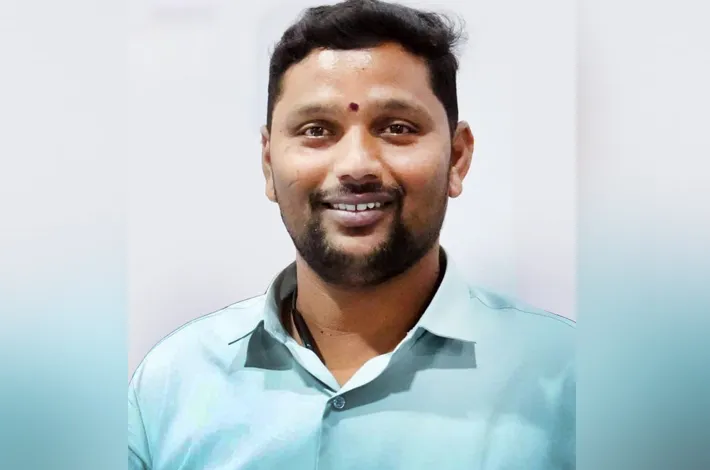
—Sagar Vanaparthi,
Sr Journalist &
Political Consultant