3 October, 2026 | 5:52 PM


The Human Behind the Hero: Why Healthcare Needs a Compassionate Reset
13-02-2026 12:00:00 AM
Hospitals Must Embrace Compassionate Policies for Caregiver Wellbeing
We rightly celebrate the Indian healthcare ecosystem, characterized by its resilience and perpetual availability, as the unshakeable backbone of society. The industry operates tirelessly, propelled by a workforce often viewed as invincible. Yet, behind the headlines of medical breakthroughs, successful surgeries, and recovered patients lies a quieter, more troubling narrative: the exhaustion of the caregiver.
A silent crisis, often referred to as the crisis of the empty cup, is brewing in hospitals. For decades, the sector has operated on a stoic and unspoken contract. This contract suggests that the noble act of caring for others inherently requires the neglect of oneself, that burnout is merely the price of admission to the profession. However, such an outdated model is no longer sustainable. As we navigate a complex post-pandemic landscape, the definition of resilience is shifting. In 2023, a report by the World Health Organization identified burnout as one of the most pressing risks to healthcare delivery worldwide, signaling that the problem is no longer just an HR issue but a patient safety issue. The sector has reached a tipping point where it must acknowledge a critical truth: a stressed or fatigued caregiver simply cannot provide the highest standard of care.
“This structured leave framework acknowledges the varied challenges inherent in healthcare services while fostering a balanced and supportive workplace for all,” Dileep Mangsuli, Chairman, CTSI, South Asia.
The Clinical Imperative
Healthcare is a unique industry. In contrast to corporate sectors where a fatigued employee may simply overlook a deadline, a fatigued healthcare professional confronts far more significant consequences. Managing the mental burden of pain, grief, and important decisions demands a mind that is not only capable but also well-rested. As a result, human resource policies in hospitals should not merely replicate those in the corporate sector. They need to be crafted with empathy as a fundamental clinical skill.
Dismantling Structural Barriers to Rest
In India, a major obstacle to getting enough rest has been the strictness of leave policies. For instance, the prefix and suffix rules often discourage people from taking time off. This guideline states that if a weekend or holiday falls adjacent to a leave period, those days will still be considered part of the leave. This situation often leads to feelings of guilt and makes it harder for employees to fully unwind. A progressive healthcare system should put an end to this practice. Preserving the true spirit of holidays, regardless of when time off is taken, fosters the essential mental break that is crucial in high-pressure environments.
Furthermore, true flexibility requires the removal of bureaucratic hurdles. Policies that allow employees to merge different types of leave, like casual, earned, or medical leave, empower them to manage personal emergencies without encountering administrative obstacles. This degree of autonomy is vital for reducing stress.
Challenging the Culture of 'Banking' Fatigue
Furthermore, the industry must challenge the glorification of banking leave. Employees in many organizations display their accumulated leave balance as a source of pride. This is a dangerous metric. A large balance of earned leave often signifies a professional who is on the brink of burnout. The sector needs to move toward policies that encourage or even mandate rest rather than deferring it. Capping leave accumulation is a counter-intuitive but necessary step. It conveys a clear message: professionals should not hoard their rest for a hypothetical future but instead prioritize their recovery in the present. A workforce that rests regularly remain resilient and focused over the long term.
Humanizing the Healthcare Workforce
It is also important to recognize that healthcare workers are parents, children, and partners. The emotional toll of the job requires a support system at home, and the workplace must support the family in return. The inclusion of paternity leave in modern policies acknowledges that providing care is a shared responsibility. Similarly, the way an organization handles grief defines its culture. Bereavement leave must offer genuine space for emotional recovery rather than a rushed return to duty. When a hospital supports a staff member through personal loss, it reinforces the very value of compassion that the hospital promises its patients.
Rewriting the Contract of Care
Ultimately, the future of the healthcare sector depends on its willingness to rewrite the unspoken contract that has long governed it. We must understand that genuine resilience is not found in the endurance of exhaustion but in the wisdom of recovery.
By transforming these outdated cultural norms into supportive institutional frameworks, the industry does more than just improve employee satisfaction; it safeguards the future of patient care. When we ensure that our policies protect the protectors, we guarantee that the hands extending care are steady, rested, and capable.
The prescription for the future is clear. To truly honor the sanctity of life, the healthcare system must first learn to nurture the lives of those who serve.
Voices from the Workforce
The impact of CTSI’s wellbeing-centric approach is reflected in employee experiences across functions and locations.
“I am truly grateful for the employee-friendly leave policy, which is both thoughtful and accommodating. The flexibility and ease of accessing leave options enable me to prioritize wellbeing and be more productive at work,” Anupriya Jain, BD & Strategic Initiatives, CTSI, Hyderabad
“The paternity leave proved invaluable during one of the most critical phases of my life. With my newborn facing postnatal complications, the additional leave allowed me to be fully present for my family without work-related anxiety. This policy reflects the organization's genuine commitment to employee wellbeing,” Vishal Katkar, Accounts & Finance, AOI, Nagpur
Wellbeing as a Leadership Responsibility
“Rest is not a reward for finishing work; it is a responsibility for sustaining excellence and wellbeing. Healthcare professionals operate in high-pressure environments where emotional, physical, and mental resilience are constantly tested. By prioritizing caregiver wellbeing, CTSI ensures that caring for the caregivers remains a fundamental organizational priority” shares Rahul Kulkarni, CHRO, CTSI, South Asia.
CTSI is a leading multi-disciplinary healthcare group which comprises of American Oncology Institute an oncology network across India and South Asia, operating with over 17 comprehensive cancer care hospitals, Citizens Specialty Hospital a state-of-the-art multispecialty 300 bedded Hospital in Hyderabad, and Ampath Labs a diagnostics with CRL in Hyderabad & network of 23 satellite laboratories 300+ collection centers. Guided by a patient-first philosophy, evidence-based medicine, and advanced clinical technologies, CTSI continues to strengthen its position as a trusted healthcare provider. Equally central to its mission is a deep commitment.
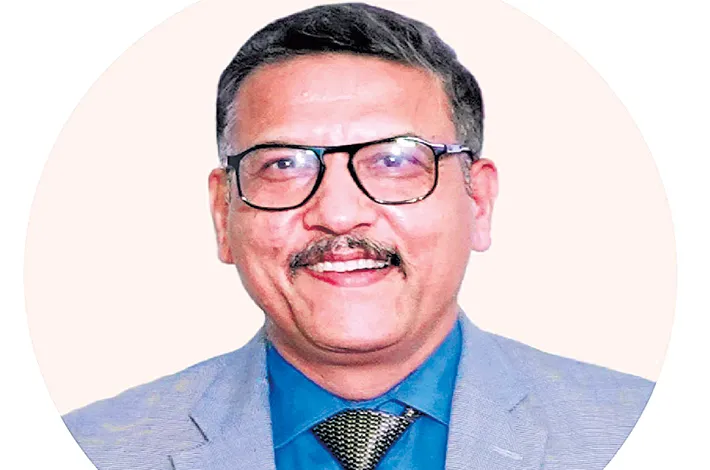
Rahul Kulkarni - CHRO (Chief Human Resources officer)