5 October, 2026 | 1:37 PM


Thermal power share to drop below 70% next fiscal
20-01-2026 12:00:00 AM
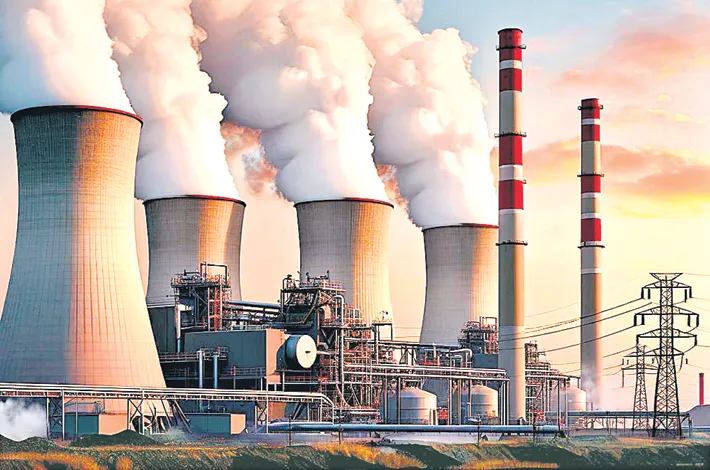
Thermal power’s share in India’s electricity generation is expected to fall below 70 per cent for the first time next fiscal, driven by slower demand growth and a sharp rise in renewable energy output, Crisil Ratings said on Monday. Thermal’s contribution is projected to ease to around 72 per cent this fiscal from nearly 75 per cent in 2025, before dipping below the 70 per cent mark next year.
Plant load factors for thermal power plants are likely to moderate to 64-66 per cent this fiscal and next, down from 69 per cent in 2025. Despite this, a revival in long-term power purchase agreements and steady base-load demand is encouraging capital expenditure in the thermal segment. This is expected to slightly raise leverage for thermal power producers over the next three to four years, although stable cash flows and controlled debt levels should keep credit profiles steady.
Power demand growth is forecast to slow to 1-2 per cent this fiscal due to an early monsoon and a mild summer, before recovering to 4-6 per cent next fiscal. Overall, average demand growth over the two years is likely to remain below 4 per cent, lower than the 5.6 per cent recorded over the past five fiscal years. Renewable energy generation, by contrast, is expected to grow at 18-20 per cent annually, supported by 75-85 GW of capacity additions, including utility-scale projects, rooftop, and commercial installations, meeting most of the incremental demand.
Crisil noted that almost 85 per cent of the 60 GW operational capacity held by independent power producers is now tied up through long-term PPAs, improving revenue visibility and reducing merchant market exposure. Most agreements include capacity and variable charges, with cost-plus structures covering coal costs and limiting financial risks. Leverage for IPPs has fallen from 7 times in 2020 to 2.2 times in 2025, though planned expansions could push it to 3 times by 2029 before normalising.
Crisil cautioned that projections remain sensitive to weather and the pace of renewable capacity additions, underlining the importance of thermal power in supporting grid stability amid rising renewable penetration.