24 October, 2026 | 11:48 PM


Unnao rape case: A tragic saga of injustice
25-12-2025 12:00:00 AM
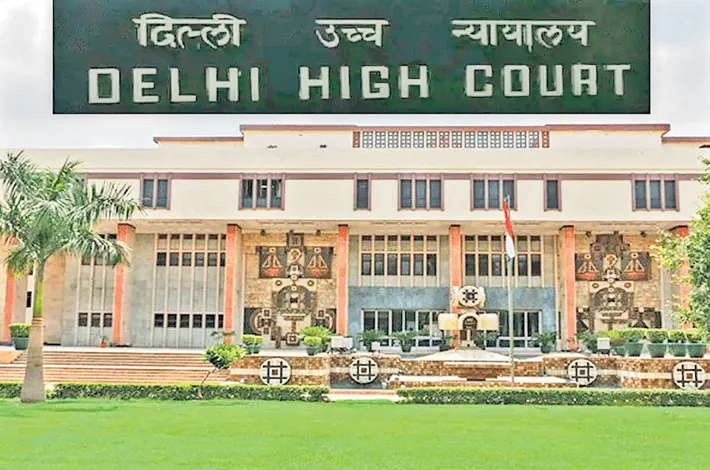
The Delhi High Court, on 23rd December, in a division bench comprising Justices Subramonium Prasad and Harish Vaidyanathan Shankar, suspended the life imprisonment sentence of expelled BJP leader Kuldeep Singh Sengar in the high-profile 2017 Unnao rape case. The court granted him conditional bail pending the disposal of his appeal against the 2019 trial court conviction. Sengar was directed to furnish a personal bond of Rs 15 lakh with three sureties of the same amount, surrender his passport, report to the police station every Monday, and not enter within a 5-kilometer radius of the survivor's residence in Delhi or threaten her or her mother. Violation of these conditions would lead to cancellation of bail.
Activists, critics and a section of politicians launched a scathing critique of the verdict, calling it "a classic example of the system shielding a rapist" and "a mockery of justice." They emphasized that Sengar, described as a "convicted rapist” had his life sentence suspended despite being found guilty. They further accused the system of favoring the rich and powerful, linking it to other cases like the Sahara brothers, where they claimed corruption charges were dropped after a large deposit.
The harrowing details of the case were recounted: the gang rape of a then-17-year-old girl on June 4, 2017, her father's death in judicial custody after being beaten by Sengar's aides, the victim's self-immolation attempt in April 2018, and a murderous truck attack on July 28, 2019, that killed two aunts and injured the survivor, her mother, and lawyer. Critics of the verdict argued that this was not merely injustice but "aggravated injustice," and expressed disbelief that the court trusted Sengar's "moral compass" with conditions like staying away from the victim. An anti-rape activist who was accompanying the victim, described the situation as desperate and questioned where survivors could seek justice when the powerful seemed protected. Another leading anti-rape activist, called the verdict "more like a kangaroo court," arguing that it sent a dangerous message to both victims and perpetrators that if one have money or influence, they could pay their way even out of a life sentence. Defending the judicial process, a legal expert insisted that the suspension was "a mere procedure" and that bail was a right, even for the convicted, under legal provisions. She cautioned against questioning the integrity of high court judges. Another senior advocate acknowledged the right to question the judiciary but pointed to legal provisions like Section 389 of the CrPC allowing sentence suspension during appeal. He noted discrepancies in the prosecution's case but agreed that, given the aggravated circumstances—including threats and deaths—the appeal might have been heard first rather than rushing the suspension application.
The critics of the verdict repeatedly challenged the defense, stressing the rarity and severity of the case, the presumption of innocence weakening after conviction, and the practical futility of paper directions against a man already convicted of such grave crimes. They made it clear that the verdict was "not right" in letter and spirit, wished courage to the victim and her family, and hoped a higher court would overturn it. The Unnao case, which gained national attention due to relentless media coverage and led to the Supreme Court's intervention in transferring trials to Delhi, continues to highlight deep concerns over justice for survivors in India, especially when powerful figures are involved.