23 October, 2026 | 4:40 AM


Who Draws the Line on offence, obscenity
25-08-2026 12:00:00 AM
The unasked Questions
The Hindu editorial, Force of Law, echoed questions that had been on my mind over the past few days. Having watched numerous videos posted by Gen Z during the protests, I found myself reflecting on the difference between offensive speech, obscene speech and the role of the State in responding to both.
What has struck me is the sharpness of Gen Z's questions. There is wit, humour, anger and a refreshing unwillingness to accept things at face value. Some posts may have been obscene or otherwise unlawful. I haven't come across many myself, but if they are, they should be examined by the competent authorities and dealt with according to law. Many others may simply be offensive to those who support the Prime Minister or the government. But in a democracy, offending people cannot be the threshold for State action.
Ironically, what I find far more offensive is the normalisation of name-calling in our public discourse. When politicians refer to the Prime Minister as "Chaiwala" or Rahul Gandhi as "Pappu", even during serious parliamentary debates, they lower the quality of democratic discourse themselves. If those who make our laws cannot uphold the dignity of debate, on what moral ground do they demand higher standards from young people on social media?
Being offended is subjective. Whether speech crosses the line into obscenity or any other unlawful conduct is for the law to determine. A democratic government should have the confidence, maturity and sense of humour to tolerate criticism, satire and even offensive comments. It should intervene only when the law is broken, not when its authority is questioned.
What is equally disturbing is the barrage of posts by government supporters, including public figures like Kangana Ranaut, portraying the protests as little more than skimpily clad girls, rave parties and anti-national gatherings. If the government is serious about tackling harmful content, why should scrutiny apply only to one side? The same standards must apply to everyone.
Many BJP supporters appear to embrace these narratives rather than engage with Gen Z’s questions. Yet those questions deserve debate, not dismissal. The government’s response is equally concerning. Action against students must be evidence-based and follow due process, not intimidation, mass detention or incarceration. Injuries to both police and students deserve impartial investigation, with those responsible held accountable. But when power is unequally distributed, can institutions truly act without fear or favour?
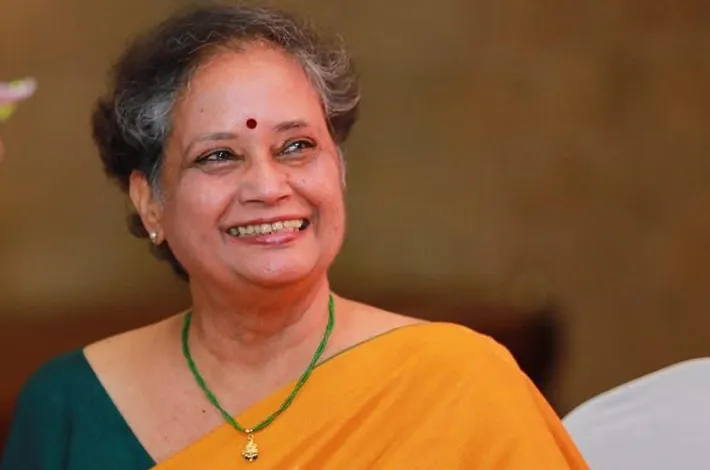
- A L Sharada
(The author is a sociologist and the director of Population First)