21 September, 2026 | 2:58 PM


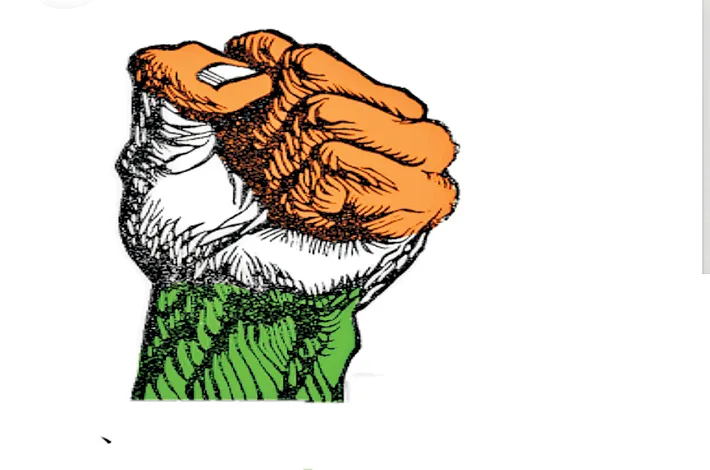
Workers’ Rights sacrificed for Corporate gains?
08-12-2025 12:00:00 AM
metro india news I hyderabad
India's new Labour Codes, introduced by the central government, have sparked widespread criticism from trade unions and workers' rights advocates, who argue they erode hard-won protections while favoring capitalists and big businesses. Consolidating 29 existing labor laws into four codes—Code on Wages (2019), Industrial Relations Code (2020), Social Security Code (2020), and Occupational Safety, Health and Working Conditions Code (2020)—these reforms came into effect on November 21, 2025.
The government claims they simplify regulations, enhance worker welfare, and promote ease of doing business. Key provisions include mandatory appointment letters detailing wages, duties, and hours; equal benefits for contract workers like leave, medical care, and social security; free annual health check-ups for workers over 40; and extending provident fund, insurance, and other benefits to gig and platform workers.
Gratuity eligibility has been reduced from five years to one year of service, overtime must be voluntary with double pay, and women can now work night shifts with consent. Fixed-term employment is formalized, ensuring minimum wages and hours akin to permanent staff. Firing thresholds have increased: companies with fewer than 300 employees no longer need government approval for layoffs or closures (up from 100), and strike definitions are tightened—requiring over 50% workforce participation for mass casual leave to qualify as a strike.
However, critics contend these changes are a conspiracy to suppress workers' rights, benefiting employers at the expense of labor. The codes are seen as prioritizing "ease of doing business" over worker protections, with allegations that consultations with unions were ignored during finalization. A major concern is their limited applicability: India's workforce totals around 610 million, with 93% in the unorganized sector (about 567 million informal workers).
Only a small fraction—less than 50 million in the organized sector—falls under most provisions. Unorganized workers, including self-employed (58% or 354 million) and casual wage earners (266 million), gain little beyond minimum wage protections and partial social security. Existing laws like minimum wages already apply minimally, and the codes fail to extend broader safeguards, leaving vast swathes unprotected.
Unions highlight how the reforms weaken union formation, making it harder to register new ones (requiring 30% support and a three-year monopoly for existing unions) and imposing barriers to strikes (now needing employer-involved processes, up from a 15-day notice). Overtime limits can be expanded by states, potentially leading to 12-hour workdays, and women's night work permissions are criticized as risking job security for those who refuse, amid inadequate facilities.
In Telangana, the situation mirrors national trends. The Revanth Reddy-led Congress government has issued orders for 10-hour workdays in commercial establishments, capped at 48 hours weekly, with overtime pay required beyond that. However, unions fear coercion into extra hours and job losses for non-compliance.
Similar moves in states like Karnataka (greenlighting 12-hour days), Andhra Pradesh (9-hour days with overtime up to 144 hours), and others under BJP alliances exacerbate concerns. The article notes historical context: workers' eight-hour day was won through sacrifices 139 years ago, now threatened by these "black laws." Nationally, despite parliamentary approval in 2019-2020, implementation was delayed due to protests; unions like BMS, CITU, AITUC, and IFTU have staged dharnas, rallies, and strikes, but without massive grassroots unrest.
Various Union leaders highlighted the codes' bias. Burgula Pradeep (IFTU National Vice President) calls them tools for capitalists, diluting rights like contract labor protections and enabling easy firings in firms with under 300 workers. Rambabu Yadav (BRTU State President) warns of union monopolies, reduced bargaining power, and the elimination of labor department oversight, turning laws into employer weapons.
Paladugu Bhaskar (CITU State General Secretary) urges immediate repeal, noting opposition from Congress leaders like Sonia and Rahul Gandhi, and calls for assembly resolutions against implementation, as done in Tripura, Kerala, and Tamil Nadu. With elections influencing state adoptions post-2024, unions demand unified resistance across parties and regions to protect constitutional values and prevent corporate takeover of workers' futures.
Overall, the codes are portrayed as a regressive shift, potentially worsening exploitation in a labor market dominated by informality. Advocates call for organized struggles, including nationwide strikes, to repeal them and restore protections fought for over centuries. Without reversal, they warn of dire social and economic impacts on millions, deepening inequality in India's growth story.