21 September, 2026 | 6:26 PM


AP approves 58 surgical procedures for Ayurveda doctors
29-12-2025 12:00:00 AM
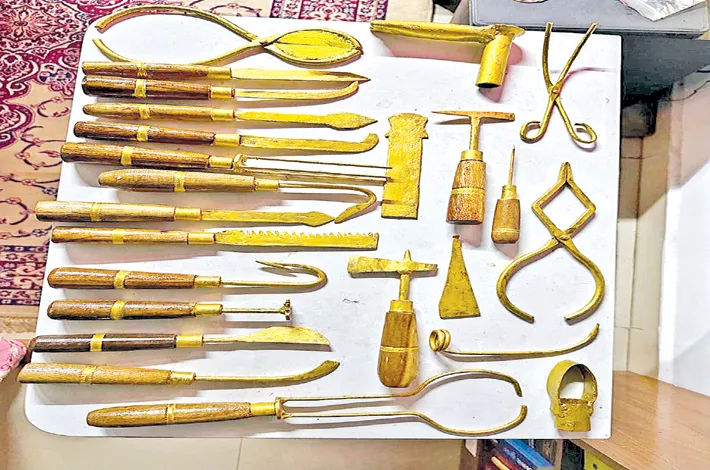
In a major step towards strengthening India’s integrative healthcare system, the Andhra Pradesh government has approved MS (Ayurveda) doctors to independently perform 58 notified Ayurvedic surgical procedures, recognising their advanced training and established role within the public health framework.
The decision has been widely welcomed by the AYUSH fraternity and is seen as a landmark move in modernising Ayurveda-based surgical care while remaining rooted in classical Shastra principles. Postgraduate-qualified Ayurveda doctors trained in Shalya Tantra and Shalakya Tantra will now be authorised to carry out a broad range of procedures in general surgery, trauma care, abdominal surgery, orthopaedics, ophthalmology, ENT and oro-dentistry across government and recognised hospitals in the State.
Under MS (Ayurveda) Shalya Tantra, practitioners are legally permitted to perform general surgical procedures that integrate classical Ayurvedic methods with modern operative protocols. These include Lekhana of Dushta Nija Vrana, Bhedana of Vidradhi, Chhedana of Granthi and Arbuda, Sira-Snayu Kotha, Sadyo-vrana Sivan and Sandhan Karma, along with wound debridement, suturing, haemostasis, tendon and muscle repair, skin grafting and foreign-body removal (Pranashta Shalya Nirharan).
The expanded scope also covers orthopaedic and trauma care such as Bhagna Chikitsa, Sandhimoksha, closed reduction, immobilisation, splinting and fracture management. Ayurveda surgeons are further authorised to manage abdominal and emergency procedures including Udar Roga Nidana Chikitsa, Ashukari Udarshool Shastra, Udarpatan, appendicectomy, appendicular abscess drainage, bowel resection, colostomy, ileostomy, intercostal drainage and airway management.
Chronic anorectal disorders like Arsha, Parikartika, Bhagandar, Nadivrana and Guda Bhransha will be treated using Kshar Karma, Ksharsutra therapy and reconstructive surgeries, aimed at reducing recurrence and improving long-term outcomes. The mandate also includes urological and reproductive procedures such as Ashmari Nirharan, Mutrakrichha, Mutragraha, suprapubic cystostomy, cystolithotomy, orchidopexy, orchidectomy, varicocele ligation, and drainage of spermatocele, chylocele, pyocele and hematocele. Procedures like hernia repair, hydrocele surgery, cholecystectomy, vascular ligation, breast lump biopsy, pyloromyotomy, polypectomy and endoscopic diagnostics using Nadi Yantra are also permitted.
Equally important are the procedures under MS (Ayurveda) Shalakya Tantra, which address diseases of the eye, ear, nose, throat, head and oro-dentistry. Ophthalmic procedures include eyelid, corneal and ocular surgeries, as well as cataract operations through ICCE, ECCE, SICS and phacoemulsification with intraocular lens implantation under local anaesthesia. ENT procedures cover nasal corrections, polypectomy, functional endoscopic sinus surgery, rhinoplasty, middle-ear surgeries and reconstructive interventions, while oro-dental care includes cleft lip repair, tooth extraction and restorative procedures.
Health, Medical and Family Welfare Minister Satya Kumar Yadav approved the order, calling it a major boost to AYUSH-based healthcare. The policy aligns with Indian Medicine Central Council Regulations, 2020, and National Commission for Indian Systems of Medicine guidelines, authorising 39 Shalya Tantra and 19 Shalakya Tantra procedures. The move underscores the growing recognition of Ayurveda surgeons as trained, regulated professionals delivering comprehensive and life-saving surgical care within the public health system.