10 October, 2026 | 10:12 PM


Health Dept stresses on natural deliveries
04-12-2025 12:00:00 AM
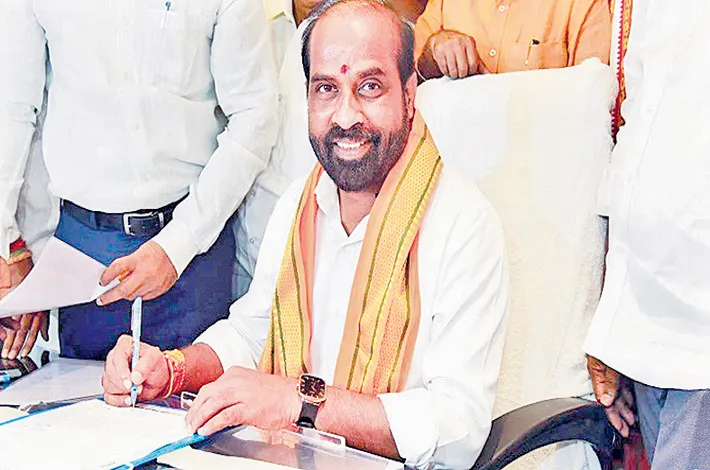
For the first time, the government will train doctors in Assisted Vaginal Delivery (AVD) techniques, procedures that can help safely conduct natural births using vacuum extraction devices and forceps
The Andhra Pradesh Health and Family Welfare Department is launching a major initiative to increase natural deliveries across government hospitals, with a comprehensive training programme for gynaecologists set to begin on December 10.
For the first time, the government will train doctors in Assisted Vaginal Delivery (AVD) techniques, procedures that can help safely conduct natural births using vacuum extraction devices and forceps. These sessions will run for six months across designated dates and centres.
Health Commissioner Veerapandian, in an official statement on Wednesday, said that 370 gynaecologists working in secondary and teaching hospitals in Guntur, Ongole, Visakhapatnam, Kakinada and Tirupati will undergo training in two phases. The programme is being organised in collaboration with Fernandez Foundation and UNICEF.
Although the use of assisted devices in natural deliveries is a standard medical practice, the commissioner noted that it has declined in recent years due to rising caesarean trends, lack of focus, and inadequate support from families. “These methods actually improve the likelihood of natural deliveries, but family resistance and reluctance have discouraged their use,” he said.
He added that the current initiative aims to strengthen doctors’ confidence and skills in safe assisted delivery procedures, especially in regions with limited manpower. As part of the broader plan to reduce unnecessary caesarean sections, the state government is also conducting an 18-month professional midwifery course for selected staff nurses.
Following national guidelines, nurses working in government hospitals with delivery units are being trained at nursing colleges in Guntur, Tirupati, Srikakulam, Nellore, Kurnool and Kakinada. Currently, 172 nurses are enrolled.
Commissioner Veerapandian highlighted that in hospitals where the first batch of 60 trained midwives has been deployed, caesarean rates have dropped by nearly 9 percent, and perineal cuts have reduced by about 10 percent.