28 September, 2026 | 12:49 PM


AP to scale up ‘Zero-Waste Schools’ model statewide
23-03-2026 12:00:00 AM
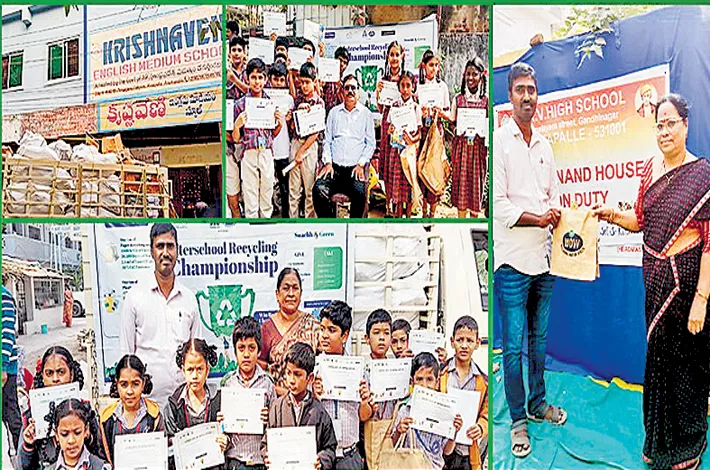
In a move aimed at combining sustainability with institutional efficiency, the Andhra Pradesh government has decided to replicate the successful “zero-waste residential schools” model implemented in Anakapalli district across all government hostels and residential institutions in the state.
The initiative, pioneered by Anakapalli District Collector Vijaya Krishnan, has transformed 114 government residential schools into zero-waste campuses through systematic waste segregation, recycling, and resource optimisation. The model, which integrates environmental awareness with practical waste management, drew appreciation during the recent collectors conference, where Chief Minister N. Chandrababu Naidu commended the district administration for its innovation.
Under the programme, students themselves play an active role in segregating wet and dry waste, fostering behavioural change alongside environmental responsibility. Wet waste generated in hostels is processed into compost through specially created pits within school premises, which is then reused as organic fertiliser. Dry waste, on the other hand, is channelled for recycling through local Swarna Sachivalayams.
Additionally, wastewater from hostels is scientifically segregated into harmful and non-harmful streams, with appropriate disposal mechanisms in place, including linkage to municipal water treatment systems. Officials said the initiative has not only improved sanitation standards but also introduced a circular economy approach within educational institutions.
The impact has been significant. The programme currently benefits 24,775 students across 114 institutions. Every month, these schools collectively generate around 57.1 tonnes of wet waste and 24.5 tonnes of dry waste. By converting waste into usable resources, the institutions are reportedly generating an additional income of approximately ₹2.17 lakh per month.
Impressed by the outcomes, Chief Minister Chandrababu Naidu directed officials to extend this model to all districts, ensuring its implementation in residential schools and hostels statewide. He also called for branding the initiative with a suitable name to enhance its visibility and replication.
Going a step further, the Chief Minister suggested integrating kitchen gardens within hostel campuses to promote self-sufficiency in vegetable consumption. He emphasised that cultivating vegetables locally would not only reduce costs but also improve nutrition for students.
The decision reflects the government’s broader push towards sustainable governance, where environmental management, cost efficiency, and student engagement converge to create scalable, impactful models across public institutions.