23 October, 2026 | 3:48 PM


Banks Chase 47 Paise, Write off thousands of crores!
29-08-2026 12:00:00 AM
metro india news I hyderabad
A viral episode from Karnataka has highlighted the stark contrast in how Indian banks deal with small borrowers and large defaulters. Ramesh Gowda of Tumakuru received a legal notice over an outstanding balance of just 47 paise on a two-wheeler loan taken in 2021 and repaid by early 2024. The discrepancy reportedly resulted from a rounding-off error in a UPI payment. The notice sought the amount with a late fee and warned of legal action and damage to his CIBIL score.
Gowda visited the branch with a one-rupee coin, paid the amount and demanded 53 paise in change along with a No Dues certificate. After an argument, the bank rounded off the transaction and confirmed zero dues.
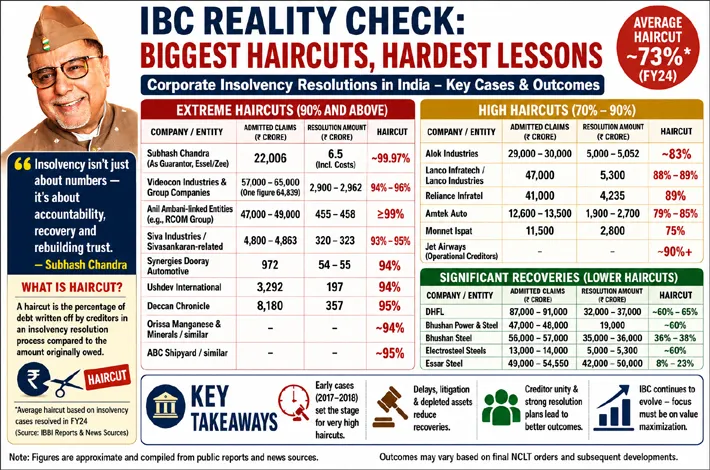
The incident sparked criticism online, contrasting aggressive recovery over tiny sums with massive loan write-offs. In a separate case, the NCLT reportedly approved a Rs 6.5-crore repayment plan against claims of about Rs 22,006 crore, highlighting the disparity.
Similar patterns are evident in earlier insolvency cases. Anil Ambani-linked entities reportedly saw claims of nearly Rs 47,000–49,000 crore resolved for around Rs 455–458 crore, implying haircuts above 99%. Videocon Industries had claims of Rs 57,000–65,000 crore settled for about Rs 2,900–2,962 crore, while Siva Industries settled Rs 4,800–4,863 crore in dues for roughly Rs 320–323 crore. Synergies Dooray Automotive recovered only Rs 54–55 crore against Rs 972 crore in claims.
Major cases including Alok Industries, Lanco Infratech and Reliance Infratel also saw haircuts ranging from 70% to over 90%. Even stronger recoveries involved substantial losses: DHFL recovered Rs 32,000–37,000 crore against claims exceeding Rs 87,000 crore, while Bhushan Power & Steel recovered about Rs 19,000 crore against claims nearing Rs 48,000 crore.
Technical write-offs add another concern. Bank of Baroda reportedly wrote off Rs 35,715 crore in large loans without naming borrowers, raising transparency questions. Such outcomes reflect depleted collateral, delays, weak bidder interest and litigation costs. IBC haircuts have frequently ranged between 60% and 73%, rising further in severely distressed sectors.
Early resolutions set precedents for steep discounts, with banks approving plans after weighing liquidation, which may yield even lower returns. Write-offs are accounting measures reflecting weak recovery prospects.
Public anger over Gowda’s case stems from this imbalance. Ordinary customers face rigid procedures, while large accounts undergo restructuring despite steep losses. The IBC aims for faster resolution and better recoveries, but delays, deteriorating assets and limited bidding often result in deep haircuts.
The 47-paise dispute also exposed operational flaws. A UPI rounding error triggered automated recovery action, requiring manual intervention. While micro-balance alerts may serve compliance needs, disproportionate enforcement can create reputational costs exceeding the amount involved.
Extreme haircuts above 90 per cent are common in cases involving severe distress or complex group structures, leaving banks with thousands of crores unrecovered. Large write-offs, such as those reported by Bank of Baroda, remove major exposures from active books while recovery efforts may continue separately. The absence of borrower names in some disclosures further fuels perceptions of unequal accountability.
The Karnataka episode does not challenge the legal or commercial logic of insolvency resolution, but highlights concerns over consistency. Formal recovery action over less than half a rupee, alongside 99 per cent-plus haircuts on multi-thousand-crore claims, raises questions about priorities and financial discipline. Retail borrowers face rigid procedures, while large claims are settled through tribunal-approved plans. This disparity continues to shape debate over fairness and effectiveness in India’s credit recovery system.
Notable cases of heavy bank haircuts over the past decade (2016–2026) largely arose from NCLT resolutions under the IBC. Creditors often recovered only a fraction of admitted claims. Haircuts varied with asset quality, sector stress, timing and bidding. Average IBC haircuts have often ranged between 60% and 73%, with distressed cases exceeding 90%. Figures are approximate and may vary across sources.