26 September, 2026 | 6:15 PM


BCs left in political limbo
30-01-2026 12:00:00 AM
metro india news I hyderabad
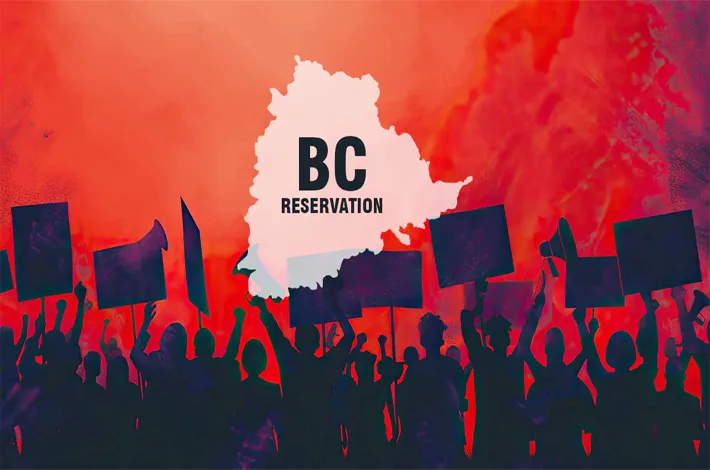
The Backward Classes (BCs) of Telangana have been waiting for decades to have their population-based reservation rights implemented. They have long sought social, economic, political, educational, and employment opportunities promised under the law. During the previous assembly elections, the Congress party’s assurance of 42 percent reservation for BCs raised hopes within the community, prompting significant electoral support. The ruling party had publicly promised that, once in power, they would implement the reservation.
However, the BC community alleges that the promise has not been legally implemented even after the party came to power. They argue that constitutional amendments, population counts, and legal technicalities are being cited as excuses to delay the process. In Telangana’s political context, the 42 percent reservation is seen as more than a promise—it is considered a measure of social justice and a guarantee of proportional political and administrative representation for the BC population. Despite this, elections continue to be held without legally backing the reservation, leading to growing discontent and debate.
The issue became more evident during Panchayat elections. Although some seats were allocated to BC candidates, doubts remain whether these allocations resulted from genuine reservation or party-based ticket distribution. Critics argue that party nominations cannot replace legal entitlement, leaving the BC community skeptical about the ruling party’s commitment. The government’s inability to clarify the reservation status during municipal elections has further fueled disappointment.
BC groups also criticize opposition parties for failing to exert pressure on the state and central governments to implement the reservation.
Many community leaders feel that both ruling and opposition parties are adopting a double standard—securing BC votes during elections but failing to provide legal guarantees for their rights. The BC community contends that if there is genuine political will, legal mechanisms can be found to enforce the 42 percent reservation, as has been done successfully in other states.
During Panchayat elections, some BC candidates were given opportunities, but community leaders argue that these are not true reservations and cannot substitute for legal rights. Municipal elections appear to be following the same pattern, heightening frustration and dissatisfaction. Critics say that conducting elections without legally guaranteed BC reservations contradicts democratic principles, and that promises are being made only as slogans without real enforcement.
The BC community stresses that political concessions alone are insufficient. Until the 42 percent reservation is legally implemented, they plan to continue their struggle. Leaders warn that the government’s continued delays may further erode trust and could influence voter behavior in future elections. Analysts note that the 42 percent reservation is not just a political promise but a critical issue for the BC community’s social and political future. They emphasize that it is the responsibility of both the state and central governments to provide clarity and ensure timely implementation. If delays persist, BC voters may use their political power to reshape the state’s electoral landscape, signaling that promises alone will no longer suffice.