23 October, 2026 | 6:46 AM


Clean water brings hope to kidney disease patients
04-09-2026 12:00:00 AM
Metro India News | A. KONDURU
For thousands of families in A. Konduru mandal of NTR district, where chronic kidney disease has cast a long shadow over everyday life, the arrival of clean and reliable drinking water is bringing a renewed sense of hope. The region, often compared to the kidney disease-affected areas of Uddanam, comprises 21 gram panchayats and 38 habitations, with almost all villages reporting the impact of chronic kidney disease. The mandal also has 15 tribal thandas.
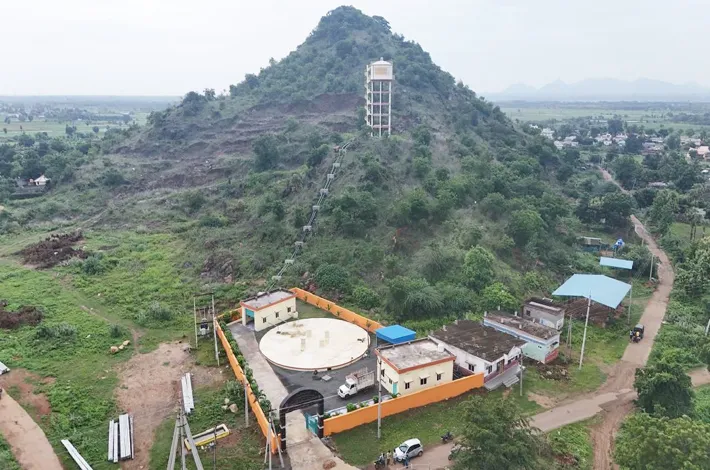
For years, many residents had little choice but to depend on contaminated water sources despite being aware of the risks. The situation has now changed with the completion of the A. Konduru drinking water project, taken up under the Jal Jeevan Mission–Amarajeevi Jaldhara program at an estimated cost of Rs. 49.94 crore. Deputy Chief Minister Pawan Kalyan, who had taken note of the drinking water crisis before the 2024 elections, prioritized the project after assuming office, with the objective of providing protected drinking water to the affected population.
Completed within 26 months, the project involves nearly 130 km of pipeline and 12 overhead tanks, supplying treated Krishna water to around 75,000 people. Each person is expected to receive 55 litres of safe drinking water a day. The project had remained stalled under the previous government, which, according to officials, had not even initiated the tender process. Its Jal Jeevan Mission deadline had also expired in March 2024. Following the Centre’s extension of the mission by another four years, the State released its matching share and revived the project.
The Rural Water Supply Department coordinated with Panchayat Raj, Rural Development, Revenue, Forest, Environment, Railways and National Highways Authority officials to secure necessary permissions and expedite pipeline construction. The intervention also ends a costly dependence on water tankers, for which the government had reportedly spent about Rs. 2.5 crore annually.