28 September, 2026 | 12:30 AM


Digital Twin Technology redefines India’s real estate and infrastructure landscape
29-01-2026 12:00:00 AM
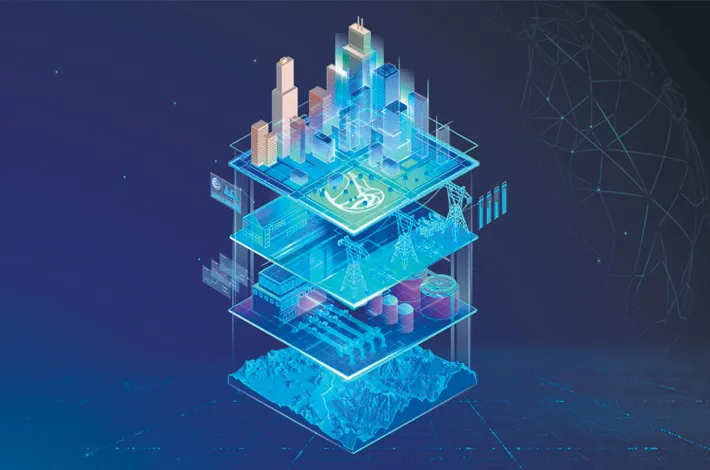
India’s real estate and infrastructure sectors are now entering a new digital era, with Digital Twin technology emerging as a transformative force that is reshaping how buildings are designed, operated, and managed.
Once considered a futuristic concept, Digital Twins are now steadily becoming an essential tool for modern infrastructure, promising greater efficiency, lower costs, and smarter urban development
At its core, a Digital Twin is a virtual replica of a physical structure created using advanced digital tools. Unlike traditional blueprints or 3D models, it is dynamic and continuously updated with real-time data. Sensors installed in critical systems such as elevators, air-conditioning units, electrical networks, and water pipelines, feed live information into the digital model. This allows engineers, facility managers, and administrators to monitor the exact condition of a building at any moment through a computer or mobile device.
Traditionally, maintenance in buildings has been reactive. Machines are repaired only after they fail, often leading to sudden disruptions and high repair costs. Digital Twin technology changes this approach fundamentally by enabling predictive maintenance. When sensors detect unusual patterns such as abnormal vibrations in an elevator, motor or irregular energy consumption, the system alerts engineers before the problem escalates. This early warning system helps prevent breakdowns, reduces downtime, and significantly cuts maintenance expenses.
Industry experts estimate that Digital Twin adoption can reduce building maintenance costs by nearly 25 to 30 percent. The technology also identifies inefficiencies that are otherwise difficult to detect. For instance, it can pinpoint areas where electricity is being wasted, detect hidden water leakages, and optimize heating and cooling systems. By improving resource efficiency, Digital Twins contribute to lower carbon emissions and support India’s sustainability goals.
The impact of this technology is particularly visible in large and complex structures such as multi-storey residential complexes, IT parks, airports, hospitals, and commercial hubs. Managing such facilities involves thousands of interconnected systems, making manual monitoring both expensive and error-prone. Digital Twins provide a unified digital platform that integrates all building systems, enabling data-driven decision-making and smarter operations.
Globally, Digital Twin technology has already been deployed in sectors such as manufacturing, aviation, and energy. Its entry into India’s real estate market reflects a broader shift toward data-driven infrastructure. With the growth of the Internet of Things (IoT), artificial intelligence, and cloud computing, Digital Twins are becoming more accessible and scalable than ever before.
However, challenges remain. High initial investment, data integration complexities, and the need for skilled professionals are key barriers to widespread adoption. Despite these hurdles, industry leaders believe that the long-term benefits far outweigh the costs. As India’s cities grow larger and more complex, traditional methods of building management may no longer be sufficient. Digital Twins are poised to become a cornerstone of India’s next phase of urban and infrastructure growth.