27 September, 2026 | 10:37 PM


From YSR to Ajit Pawar, leaders lost to fatal flights
29-01-2026 12:00:00 AM
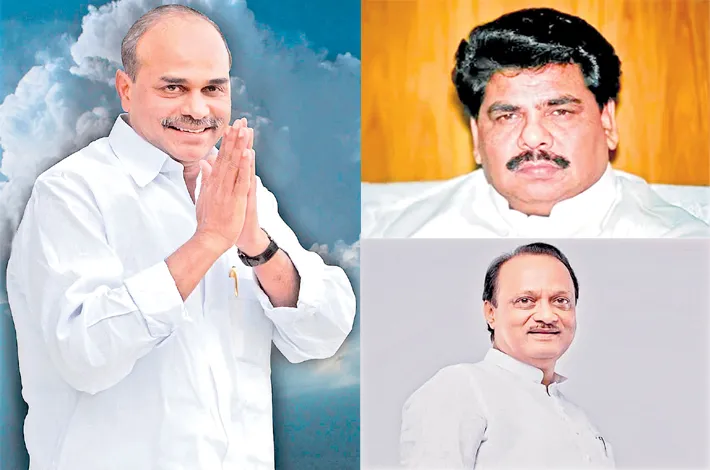
Telugu heartlands mourned deeply with the helicopter crashes that claimed Lok Sabha Speaker GMC Balayogi in 2002 and AP CM YSR in 2009
In the annals of Indian political history, the Telugu-speaking regions have borne a disproportionate share of aerial tragedies, where ambition and duty collided with unforgiving fates. Two towering figures from the united Andhra Pradesh stand out: Ganti Mohana Chandra Balayogi, the charismatic Lok Sabha Speaker and senior Telugu Desam Party (TDP) leader, and Yeduguri Sandinti Rajasekhara Reddy, the then dynamic Chief Minister known as YSR. Balayogi's life ended abruptly on March 3, 2002, when his helicopter plummeted into the marshy terrains of West Godavari district, claiming him amid a routine journey. Just seven years later, on September 2, 2009, YSR vanished into the dense Nallamala forests of Chittoor district during a district tour; his helicopter wreckage was discovered 24 hours later, confirming the devastating loss.
This pattern of airborne peril extends across India's political spectrum, as vividly chronicled in recent reports following the shocking demise of Maharashtra's Deputy Chief Minister Ajit Pawar on January 28, 2026. Pawar, en route from Mumbai to Baramati for a district council election campaign, perished in a chartered flight that crashed just 100 feet from the runway. Eyewitnesses described a technical fault compounded by poor visibility, leading to a catastrophic explosion upon impact. The 66-year-old Nationalist Congress Party (NCP) stalwart and four others died instantly, their bodies reduced to unrecognizable remains in a scene of horror captured in viral social media videos. The tragedy sent shockwaves through national politics, drawing tributes from leaders nationwide and underscoring the recurring theme of mechanical failures and adverse conditions in such mishaps.
Rewinding through history, the first such recorded loss was Balwantrai Mehta, Gujarat's Chief Minister, on September 19, 1965. Amid the Indo-Pakistan war, his Dakota aircraft was attacked and crashed in the Kutch desert, marking him as the inaugural sitting CM to fall victim to an air incident. Three years later, on January 23, 1968, SS Khera, Deputy Minister in the Central Communications Ministry, met a similar end in an Indian Airlines crash that gripped the nation with its suddenness.
The 1970s brought more grief: On May 28, 1973, Union Petroleum Minister Mohan Kumaramangalam perished when his Indian Airlines flight from Delhi to Chennai plummeted due to undisclosed faults, alongside several passengers. Fast-forward to September 30, 2001, and former Union Civil Aviation Minister Madhavrao Scindia's personal plane succumbed to technical glitches and stormy weather near Mainpuri, Uttar Pradesh, ending a legacy tied to Madhya Pradesh's royal heritage. Arunachal Pradesh's Chief Minister Dorjee Khandu followed in 2011, on April 30, when his helicopter, navigating from Itanagar to Tawang, failed in the treacherous mountains, killing all aboard. These tales, woven from ambition, duty, and tragedy, reveal a haunting vulnerability in leadership—where the pursuit of progress meets the unpredictability of flight.
On June 23, 1980, Sanjay Gandhi, the son of then-Prime Minister Indira Gandhi, was piloting a Pitts S-2A stunt plane when he lost control during an aerobatic maneuver near Safdarjung Airport in New Delhi. He was accompanied by his friend and fellow pilot, Captain Subhash Saxena, both of whom were killed instantly in the crash.