26 September, 2026 | 5:49 PM


The price of ‘I agree sir’
29-01-2026 12:00:00 AM
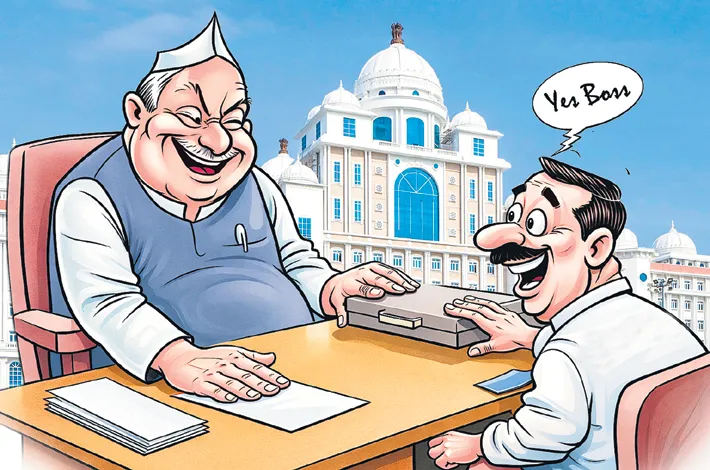
Retired officials, instead of enjoying a peaceful life with their families, often spend their post-retirement years shuttling between inquiry offices and courts
A growing pattern in governance is throwing up a cautionary tale for government officials — proximity to political power may offer short-term gains, but it often ends with long-term consequences. Across multiple high-profile cases in Telangana, political leaders have consistently shifted responsibility onto officials, leaving them to face investigations, court cases, and lasting mental distress, even after retirement.
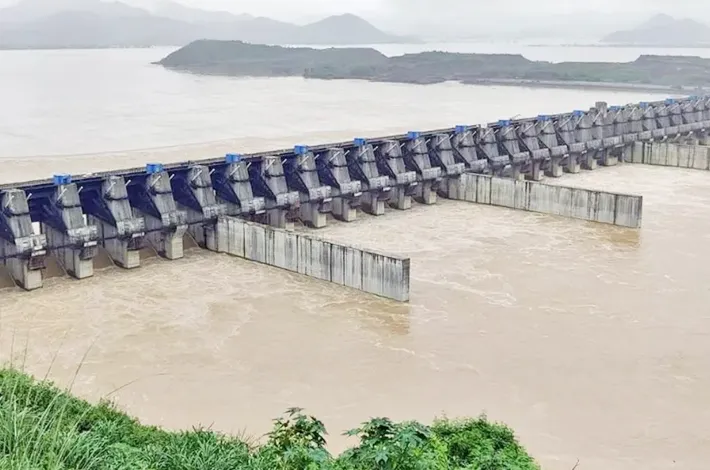
The Medigadda barrage collapse and alleged irregularities in the Kaleshwaram project stand out as a stark example. Investigations into large-scale corruption covered a wide spectrum of officials, from the then Chief Secretary to senior irrigation and finance department officers, including engineers at various levels. During the Justice PC Ghose Commission inquiry, former Chief Minister K. Chandrashekar Rao stated that all project-related matters were within the officials’ knowledge and that procedures were followed as per rules, with no objections raised by officers at the time — effectively placing the burden of accountability on the bureaucracy.
A similar narrative emerged in the recent Singareni tender controversy. Deputy Chief Minister Bhatti Vikramarka, addressing the media, remarked that ministers rely on officials for knowledge of rules and procedures, bluntly asserting that officials are responsible for ensuring compliance, not political executives.
The phone-tapping case has further reinforced this trend. During the SIT investigation, BRS leaders, including K.T. Rama Rao, argued that phone tapping is typically conducted under the watch of senior officials in any government. They questioned why lower-level officers were being probed, demanding that top officials of the time, including the then DGP and intelligence heads, also be investigated.
These are not isolated incidents. Time and again, during probes into corruption and irregularities, political leaders and public representatives have distanced themselves, pushing the entire responsibility onto officials. While political leadership may exercise control over administration, it is ultimately officials who are expected to ensure that actions comply with rules, procedures, and laws. When violations surface, accountability circles back to them.
Analysts point out that many officials, during their three-decade-long careers, succumb to the lure of promotions, plum postings, or post-retirement extensions. To secure these, some seek political patronage and comply unquestioningly with directions that may violate service manuals or legal norms. In doing so, they sign files that later become evidence against them when governments change and inquiries begin.
A particularly humiliating consequence is when senior officers are questioned by their former juniors, who now head investigation teams. Several such instances have already played out. Even officials who attempted to evade scrutiny by staying abroad have found that investigations follow them relentlessly, reinforcing the reality that wrongdoing offers no permanent escape.
The fallout does not end with service. Retired officials, instead of enjoying a peaceful life with their families, often spend their post-retirement years shuttling between inquiry offices and courts. The mental strain spills over to families, leading to prolonged stress, anxiety, and loss of social standing.
Observers warn that the cost of bending rules for political favour is far greater than any temporary benefit. Officials are being urged to adhere strictly to procedures, laws, and service rules, regardless of political pressure. Only by doing so, they say, can officials safeguard their dignity during service and ensure a truly peaceful life after retirement.