23 October, 2026 | 2:36 AM


Drones take healthcare to Andhra’s remote tribal areas
31-08-2026 12:00:00 AM
The drones have transported more than 2,200 medical samples, including 596 samples for sickle-cell screening, enabling more than 9,000 diagnostic tests and benefiting over 24,500 patients.”
Satyakumar Yadav AP Health Minister
Metro India News | AMARAVATI
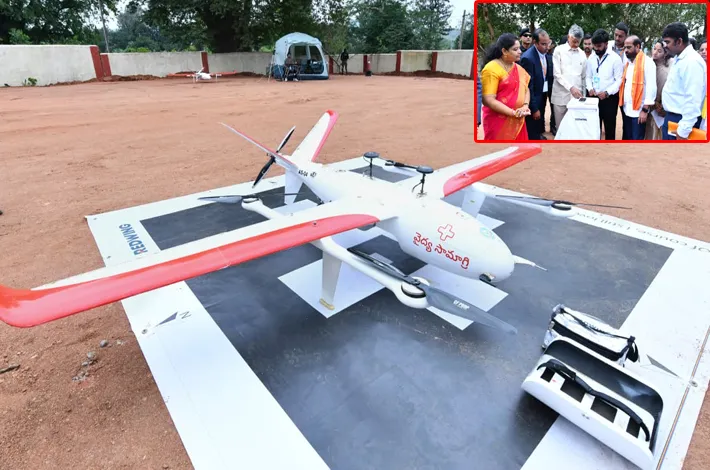
Andhra Pradesh’s drone-based medical transport initiative is bringing healthcare closer to tribal communities living in the remote and difficult-to-access regions of Alluri Sitharama Raju district, significantly reducing the time, distance and cost involved in accessing essential medical services.
Launched in January 2026 as the state’s first drone-based medical transport system, the initiative has already completed more than 1,800 trips, with four drones covering over 71,000 kilometres. The drones have transported more than 2,200 medical samples, including 596 samples for sickle-cell screening, enabling more than 9,000 diagnostic tests and benefiting over 24,500 patients, Health Minister Satyakumar Yadav said.
The initiative is aimed at addressing the unique healthcare challenges faced by tribal communities in hilly and densely forested areas, where poor road connectivity often forces patients to travel long distances for diagnostic tests, medicines and vaccines.
The drone network currently connects the Paderu Government General Hospital with healthcare facilities including Lothugedda, Tajangi, Sunkarametta, Bhimavaram and Ananthagiri PHCs, as well as Munchingiputtu CHC and the Chintapalli and Araku area hospitals.
Chief Minister N. Chandrababu Naidu recently expanded the initiative by launching drone transportation of medical reports, vaccines and medicines from Gannel PHC to RK Nagar village. Following the Chief Minister’s directions, the Health Department plans to expand the service to more tribal locations.
Apart from diagnostic samples, the drones are being used to transport essential medicines, vaccines and medical supplies, ensuring that critical materials reach remote health facilities faster. Health Family Welfare Commissioner Chakradhar Babu said the system was helping reduce travel time, transportation costs and loss of working days for patients and their families. Faster movement of samples to laboratories is also enabling quicker diagnosis and reducing delays in treatment.
The system is particularly significant for sickle-cell disease screening, while also supporting disease surveillance and other public-health programmes. The government is simultaneously increasing local participation in the initiative. More than 25 local and tribal youth have already been trained in drone operations and allied services.
Minister Satyakumar said technology was being harnessed to ensure that geography and lack of road connectivity did not prevent tribal communities from receiving timely healthcare.