7 October, 2026 | 3:46 AM


Experts advocate vegetable farming for rapid profits
26-03-2026 12:00:00 AM
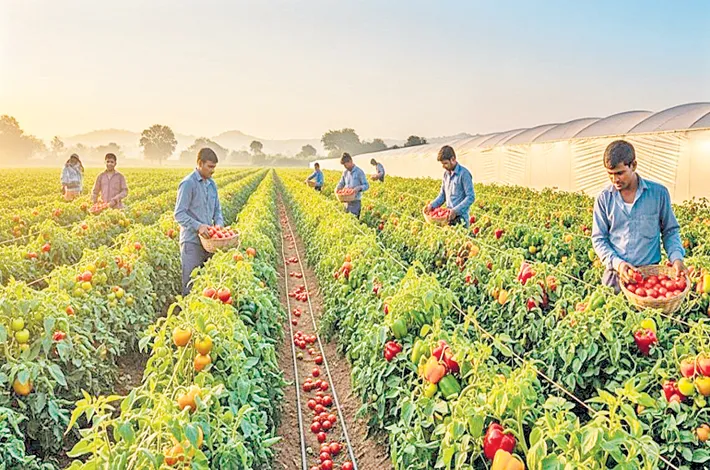
Intercropping: Growing vegetables within expanding oil palm plantations to generate additional income.
Pest Management: Utilizing solar fencing and planting Tuniki and Irikaku trees near forest borders to naturally deter monkey encroachments
Peer Leadership : Encouraging each trained volunteer to guide 10 to 15 fellow farmers toward vegetable cultivation.
Hands-on Training: The program included a field visit where scientists demonstrated the latest agricultural technologies and resolved technical queries for farmers from seven districts. The session concluded with the distribution of certificates to the participants, marking a significant step toward expanding Telangana’s horticultural footprint
Agricultural leaders and scientists are calling for a strategic shift toward vegetable cultivation to ensure farmer prosperity and state-wide food security. Speaking at a specialized training program for farmer volunteers from Primary Agricultural Cooperative Credit Societies (PACS), S. Anvesh Reddy, Chairman of the Telangana State Seed Development Corporation, highlighted that vegetables offer higher net profits in a shorter timeframe compared to traditional crops.
Diversification and Self-Sufficiency Mr. Anvesh Reddy urged farmers to move away from monocropping—such as focusing solely on tomatoes—and instead cultivate four to five different varieties. "This approach will make every village self-sufficient and create more stable marketing opportunities," he noted. He further announced that the Seed Development Corporation is prepared to produce and supply indigenous vegetable seeds to farmers, encouraging the adoption of organic methods and modern technology to slash production costs.
Climate Resilience and Intercropping Presiding over the event, Dr. Danda Raji Reddy, Vice-Chancellor of Sri Konda Laxman Telangana State Horticultural University, suggested that vegetable farming is a prudent hedge against the prolonged El Niño effect, offering better resilience than water-intensive paddy or cotton.