23 July, 2026 | 5:18 AM


FCI rules push Telangana millers to edge
17-05-2026 12:00:00 AM
metro india news I hyderabad
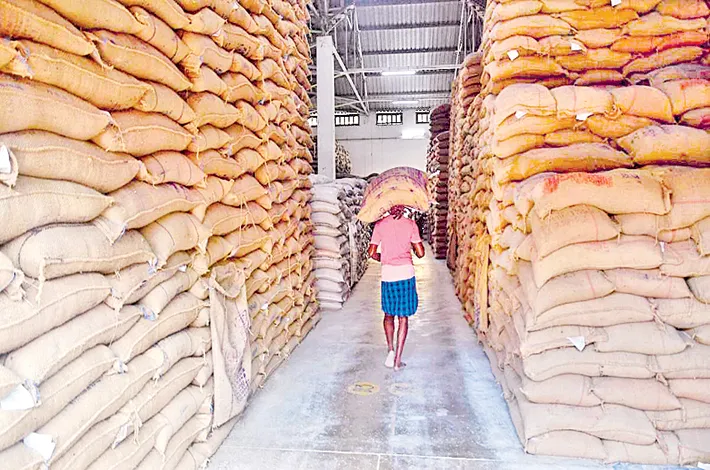
A major dispute over broken rice percentage norms has pushed Telangana’s paddy procurement system into turmoil, creating tension between the government, rice millers, and farmers. Rice millers across the state are refusing to accept paddy stocks, saying the latest procurement rules imposed by the Centre are impossible to implement under current summer conditions.
The controversy revolves around the percentage of broken rice allowed while supplying rice to the Food Corporation of India (FCI). Millers say the Centre has framed unrealistic guidelines without considering ground-level conditions, especially the impact of extreme summer temperatures on rice milling.
Under the earlier system, raw rice suppliers were permitted to provide 67 percent rice recovery with up to 25 percent broken rice. In the case of boiled rice, millers could supply 68 percent rice recovery with up to 15 percent broken rice. Though challenging, millers say they were somehow managing operations under these norms.
The dispute escalated after the Centre agreed to procure an additional 30 lakh metric tonnes of rice from Telangana following discussions led by Chief Minister A. Revanth Reddy and Civil Supplies Minister N. Uttam Kumar Reddy. While the announcement initially brought relief, fresh conditions attached to the additional procurement triggered panic among rice millers.
For the additional quota, the Centre introduced revised rules requiring raw rice to contain only 10 percent broken rice while maintaining 67 percent recovery. In boiled rice, only 5 percent broken rice is permitted while maintaining 68 percent recovery. The Telangana government subsequently instructed millers to implement these norms.
Rice millers argue that the conditions are impossible to meet during the ongoing summer season. They say temperatures above 36 degrees Celsius naturally increase the percentage of broken rice during milling. With temperatures currently touching 43 to 46 degrees Celsius across Telangana and forecasts warning of further rise, millers insist that broken rice generation will increase significantly.
According to millers, once temperatures cross normal levels, broken rice can exceed 25 percent during milling. They question how they can still deliver 67 percent raw rice and 68 percent boiled rice under the stricter broken rice limits imposed by the Centre.
The issue intensified further after Civil Supplies authorities reportedly instructed millers to separately store the excess broken rice generated during processing until further orders are issued by the FCI. Millers say the government itself is indirectly acknowledging that higher broken rice generation is unavoidable, while simultaneously insisting on lower broken rice percentages in supplied rice.
Millers warn that complying with these conditions may push them towards severe financial losses. Some allege that the norms are practically forcing them either to resort to irregular practices or absorb heavy losses to meet procurement targets. They also say storing excess broken rice at their own expense is placing additional financial pressure on the industry.
The impact is already visible across Telangana’s procurement system. Though procurement centres continue purchasing paddy from farmers, transportation and unloading operations have slowed down significantly. Several millers are reportedly refusing to unload paddy arriving in lorries, while others are keeping vehicles waiting for long hours or sending them back altogether.
As a result, paddy stocks are piling up at procurement centres, transportation shortages are worsening, and procurement operations are slowing down in several districts. Officials fear the situation could soon trigger large-scale protests from farmers if the deadlock continues.
The dispute has now turned into a major confrontation involving the Centre, the state government, rice millers, and farmers. Millers are demanding immediate revision of procurement norms based on prevailing weather conditions and say they are ready to accept paddy only if practical guidelines are introduced.
With procurement operations slowing and tensions rising, the burden of the crisis is increasingly falling on Telangana’s farmers, who are waiting for a quick resolution to the standoff.