31 August, 2026 | 2:32 PM


Import restrictions to benefit Aurobindo?
31-01-2026 12:00:00 AM
metro india news I mumbai
The Indian government has imposed a Minimum Import Price (MIP) on Penicillin-G (Pen-G) and its key derivatives, including 6-APA and Amoxicillin, in a move widely seen as long-awaited support for domestic pharmaceutical manufacturing. The decision, notified by the Directorate General of Foreign Trade (DGFT) on January 29, 2026, sets floor prices at Rs 2,216 per kg for Pen-G, Rs 3,405 per kg for 6-APA, and Rs 2,733 per kg for Amoxicillin trihydrate. Effective immediately, the MIP will remain in place for one year until January 2027, aimed at curbing low-cost imports—primarily from China—and protecting investments made under the Production-Linked Incentive (PLI) scheme.
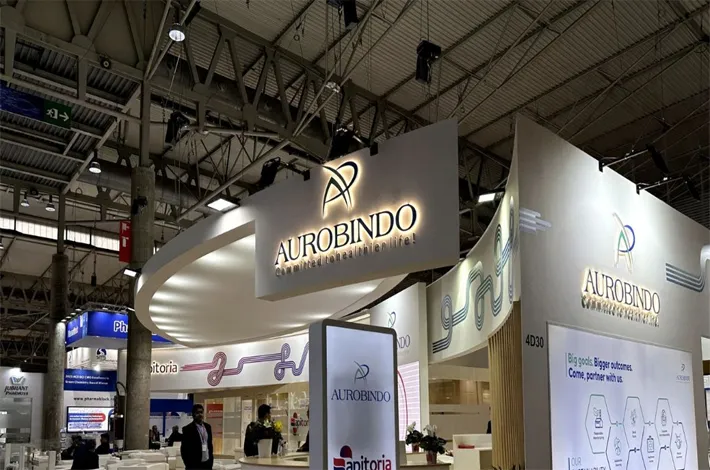
Pharma experts described it as a significant positive development for Aurobindo Pharma, which operates India's only major domestic Pen-G production facility. The measure is expected to deliver a 10-15% positive impact on the company's EBITDA (Earnings Before Interest, Taxes, Depreciation, and Amortization) based on existing numbers. This uplift stems from improved pricing stability for raw materials, reducing volatility that has long affected antibiotic formulation producers.
The experts noted that while the MIP provides a clear benefit to Aurobindo Pharma, it remains largely neutral for the broader industry. Other antibiotic manufacturers can now expect greater certainty and stability in raw material costs, ensuring more predictable pricing without sharp fluctuations. This could enhance overall supply chain reliability for producers of penicillin-based formulations.
Aurobindo Pharma's Pen-G plant boasts an annual capacity of 15,000 tonnes, though achieving full utilization remains challenging due to the complexities of scaling up fermentation-based products. Michelle explained that production levels could vary between 75% and 100% utilization, leading to an EBITDA impact in the range of 8-15%, incorporating potential PLI incentives. Some market notes have projected a more conservative 6-8% boost, translating to Rs 600-700 crore in additional EBITDA by FY27, depending on actual ramp-up and other variables.