31 August, 2026 | 3:26 PM


What Indian semiconductor industry seeks
31-01-2026 12:00:00 AM
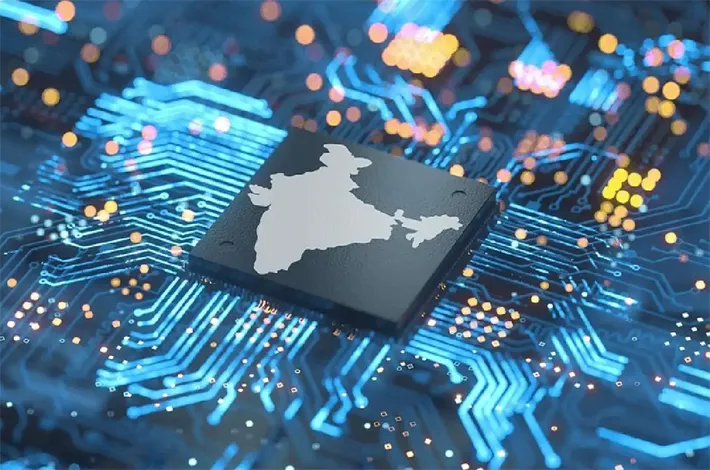
Several top demands from experts and industry stakeholders included launching India Semiconductor Mission (ISM) 2.0 with fresh multi-billion-dollar funding to drive the next phase of ecosystem development. A new Component Linked Incentive (CLI) scheme was anticipated, providing subsidies for critical inputs like specialized chemicals and photoresists essential for chip fabrication.
For startups, an increased fiscal cap under the Design Linked Incentive (DLI) program—potentially rising to Rs 60 crore—was proposed to offset high software and design costs. Additional expectations encompassed designating semiconductor manufacturing parks as national critical infrastructure for priority access to power and water, correcting inverted duty structures so raw materials face lower taxes than imported finished chips, reinstating 200% weighted tax deductions on R&D expenditure to spur innovation, mandating local procurement of electronics using "Designed in India" chips by government departments, and forging university partnerships to train the estimated 85,000 engineers required for sustained growth.
A top office bearer of an industry body related to semiconductors or education, echoed the urgency around skilling 85,000 engineers, proposing a complementary "Mission Education 4.0" to address India's lag. He criticized fragmented execution, regulatory overload, and underinvestment in school capacity despite intent and announcements in prior budgets. He advocated shifting from scheme-based approaches to systemic reforms: trusting teachers and private schools as nation-building partners, enhancing digital infrastructure, reducing enrollment disruptions, and prioritizing teacher up skilling.
He warned of a looming crisis without deeper fixes, moving beyond pilots to scalable, trust-based systems. A semiconductor professional and author, provided a grounded assessment of progress under the original ISM (launched in 2021 with Rs 76,000 crore outlay). He noted slow disbursement—actual spending far below allocations (e.g., only around Rs 12,000 crore utilized against the full commitment by recent years), due to project delays, paperwork, or qualification hurdles across fabs, packaging, and design-linked incentives.
While agreeing on the need for ISM 2.0, he clarified it may not require upfront Budget allocation; policies can announce schemes with funds released upon qualification, as in 2021. He stressed execution over headline numbers, calling for a full-time, technically expert CEO for ISM (currently an additional secretary role) to accelerate nationwide efforts without bureaucratic baggage. He highlighted skilling uncertainties for fabs and packaging.
A senior economist emphasized semiconductors' strategic importance, noting Prime Minister Narendra Modi's personal interest and the impending rollout of the first domestically produced chips potentially by mid- or late-2026. He referenced the Economic Survey's warnings about "Pax Silica"—a U.S.-led tech alliance focusing on chips, AI, data, equipment, and rare earths—as the new global power dynamic replacing traditional assets like oil or steel. He argued that India's greatest challenge lies in skilling professionals, viewing it as the top priority for the Budget.
He stressed building a full value chain rather than remaining limited to backend processing, which risks obsolescence due to AI. In his view, semiconductors could become India's bargaining power globally, akin to China's dominance in rare earths or Taiwan's through TSMC, enabling leverage in trade and geopolitics. He expressed conviction that the Budget would deliver targeted schemes for skill development and chip hub ambitions, tying into the Survey's call for dominance in high-value areas.