23 October, 2026 | 4:58 AM


It’s Vijaya Sai Reddy Vs Sajjala in AP
30-08-2026 12:00:00 AM
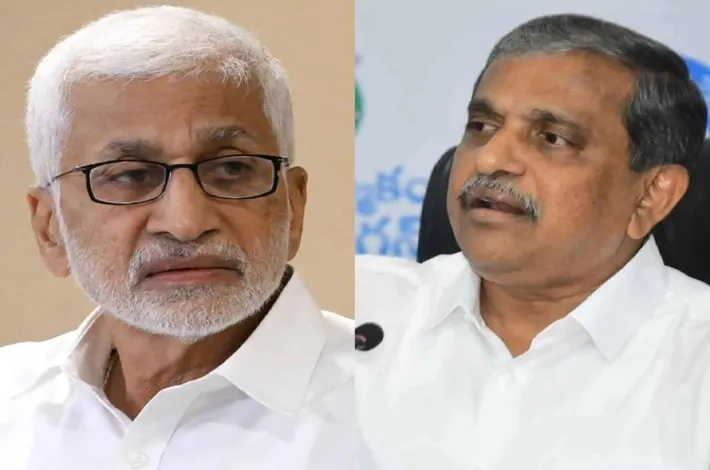
Vijayasai Reddy was positioned to handle key responsibilities in New Delhi. Elevated to the Rajya Sabha, he cultivated networks across national parties and centers of influence, extending the party’s reach beyond the state.
Sajjala Ramakrishna functioned as a central figure in decision-making, often viewed as second only to Jagan himself in the party’s internal hierarchy.
metro india news I amaravati
In the ever changing landscape of Andhra Pradesh politics, a fierce public confrontation between two once-influential figures in the YSR Congress Party has laid bare the fractures within the organization led by YS Jagan Mohan Reddy. The open letter from former Rajya Sabha member V. Vijayasai Reddy targeting party state coordinator Sajjala Ramakrishna Reddy has ignited intense debate over loyalty, power dynamics, and the future of a party still recovering from its 2024 electoral setback. This clash, rooted in years of shared proximity to Jagan during his chief ministerial tenure, underscores how personal ambitions can reshape alliances once the levers of state power slip away.
During Jagan’s time as chief minister, both leaders occupied positions of extraordinary influence. Sajjala Ramakrishna Reddy, serving as advisor on public affairs with cabinet rank, operated with an authority that many observers described as spanning multiple portfolios. He functioned as a central figure in decision-making, often viewed as second only to Jagan himself in the party’s internal hierarchy. Parallel to this, Vijayasai Reddy was positioned to handle key responsibilities in New Delhi. Elevated to the Rajya Sabha, he cultivated networks across national parties and centers of influence, extending the party’s reach beyond the state.
Jagan’s approach of rewarding close associates created an environment where both men wielded substantial clout, benefiting from the trust placed in them. Their roles reflected a deliberate strategy of consolidating loyalty by granting expansive operational freedom. The loss of power following the 2024 elections altered this equilibrium dramatically. With the YSRCP out of government, the protective shield of official authority vanished.
Reports indicate that both leaders shifted focus toward safeguarding their individual political futures rather than maintaining a unified front around Jagan.
Sajjala Ramakrishna Reddy has been linked to a campaign of criticism against Vijayasai Reddy, reportedly using party social media channels to air grievances. In response, Vijayasai Reddy has chosen a more direct route, releasing a detailed open letter that systematically challenges his former colleague’s conduct and influence. The letter presents a series of pointed allegations. Vijayasai Reddy rejects any suggestion that he abandoned the party for personal gain, arguing that a true turncoat would have negotiated protections against legal scrutiny. He contrasts his own experience—named as accused number two in multiple charge sheets and spending 15 months in custody, nearly matching Jagan’s 16 months—with what he describes as Sajjala’s ability to avoid similar implications under the current TDP administration.
These steps, he contends, reduced his role while elevating Sajjala’s.In his most direct assessment of the current party structure, Vijayasai Reddy states that within today’s YSRCP, “Jagan is number two, and Sajjala, the minister of all departments, is number one.” He positions himself as unwilling to engage in behind-the-scenes maneuvers aimed at seizing control while undermining Jagan. Instead, he announces plans to launch a new party and pursue democratic contestation. He calls on party workers to evaluate for themselves who has operated covertly, and he signals that additional disclosures will emerge through media channels in the coming period. This exchange carries significant implications for Jagan’s efforts to rebuild the YSRCP’s organizational strength and public standing.
Public disputes risk reinforcing perceptions of internal disarray within the YSRCP at a time when party cohesion is crucial for recovery. Mutual accusations through social media and open letters have shifted attention from criticism of the ruling TDP-led government to questions of trust, hierarchy and leadership within the opposition.
The fallout between Vijayasai Reddy and Sajjala Ramakrishna Reddy has exposed tensions that may have remained contained while the party was in power. Reports of official party communication being used against a former colleague and the public airing of private grievances suggest a breakdown of earlier informal understandings. Claims of a physical altercation, if left unaddressed, could further complicate efforts to project unity.
Vijayasai Reddy’s stated plan to launch a new political platform adds uncertainty. While its electoral impact remains unclear, it could test the loyalty of grassroots workers and mid-level leaders. Continued criticism from either side may strengthen the perception of a party focused on internal score-settling.
The stakes are higher in post-2024 Andhra Pradesh, where the YSRCP must simultaneously scrutinise the government and rebuild its organisation. Public recriminations and possible realignments could affect morale and voter outreach. References to CBI and ED investigations add further complexity to competing political narratives.
Observers are now watching for a response from Jagan Mohan Reddy or the party leadership. Silence could be interpreted as acceptance of shifting power equations, while intervention may force a clearer definition of roles and priorities. The episode highlights the fragility of political alliances once the incentives of power disappear. How Jagan manages the fallout could significantly influence perceptions of the YSRCP’s ability to renew and emerge as an effective opposition force.