21 September, 2026 | 1:09 PM


Karnataka hate bill, TG approach is appreciated
30-12-2025 12:20:47 AM
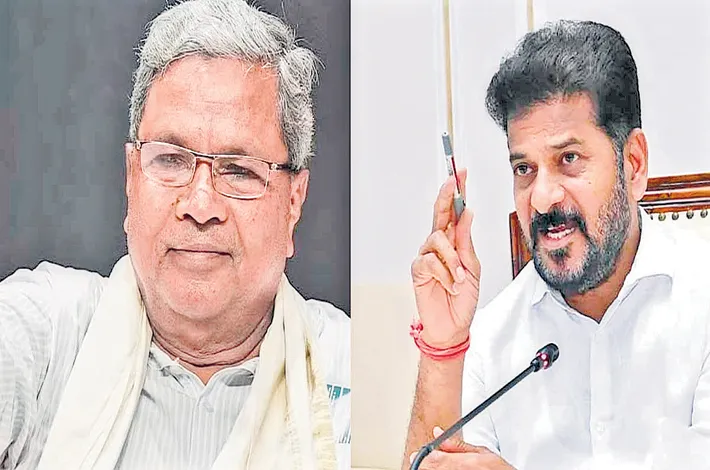
Karnataka has taken a significant and timely step by introducing the Karnataka Hate Speech and Hate Crimes (Prevention) Bill, 2025. At a time when social divisions and intolerance are growing, the proposed law reflects the State’s recognition that hate speech is a serious threat to public harmony. Tabled in the Sixteenth Karnataka Legislative Assembly as Bill No. 79 of 2025, the legislation seeks to prevent words and actions that spread hatred and eventually lead to violence.
In recent years, hate speech has increasingly surfaced through public meetings, social media, online videos and printed material. Such expressions often target individuals or groups based on religion, caste, gender, language or place of origin. When left unchecked, this hostility gradually poisons society. Hate rarely stops at words; it creates fear, fuels violence and erodes trust between communities. The Karnataka government has acknowledged this danger and responded with a clear legal framework.
The Bill offers a comprehensive and contemporary definition of hate speech. It covers spoken, written, visual and electronic expressions made in public with the intent to create hatred or hostility. Hate crimes are also defined broadly to include acts that promote or spread such hatred, recognising the speed and reach of digital platforms.
A wide range of protected categories is listed, including religion, caste, race, gender, sexual orientation, language, disability, tribe and place of residence. This inclusive approach reflects India’s diversity and strengthens the moral and constitutional basis of the law.
Punishments under the Bill are stringent. Convicted offenders may face imprisonment ranging from one to seven years along with fines, with harsher penalties for repeat offences. Courts are empowered to award compensation to victims, and offences are made cognisable and non-bailable, underscoring the seriousness of hate crimes.
The legislation places strong emphasis on prevention. Senior police officers and executive magistrates are authorised to take early action if a hate crime is likely to occur, highlighting the importance of stopping violence before it erupts. Organisations can also be held accountable for hate crimes committed in their name unless they prove due diligence.
Given the digital age, provisions to remove or block hateful online content are particularly relevant, aligning with existing laws such as the Information Technology Act. At the same time, safeguards protect legitimate freedom of expression, exempting educational, artistic, literary, scientific and genuine religious discourse.
While Karnataka has acted through legislation, Telangana has addressed the issue through political leadership. Chief Minister A. Revanth Reddy’s public commitment to protecting minorities and opposing hate speech reflects an inclusive approach to governance.
Ultimately, the Bill is not about silencing dissent but about drawing a clear boundary between free expression and dangerous incitement. If implemented fairly, it can serve as a strong shield for social harmony and constitutional values.
— Sagar Vanaparthi, Policy Analyst