21 September, 2026 | 7:08 PM


Vijayawada turns to AI to track mosquito density
30-12-2025 12:53:15 AM
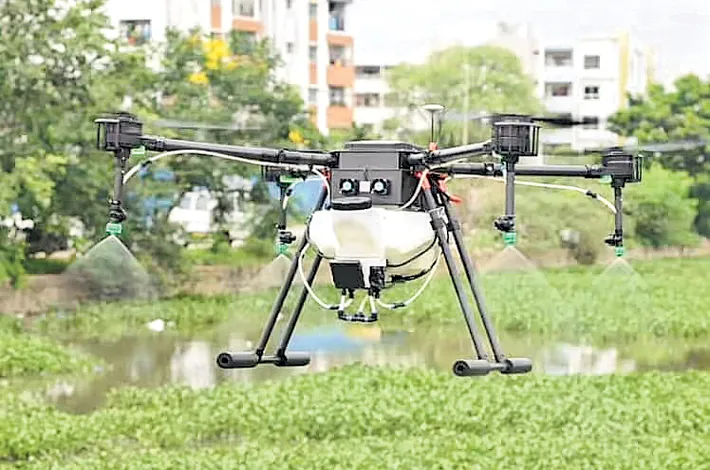
The civic body is now exploring the use of AI-based surveillance tools, including sensor-enabled traps, GIS mapping and data analytics, to identify mosquito breeding zones in real time. Officials say such technology would help monitor mosquito density ward-wise, predict outbreak-prone areas
Mosquito density in Vijayawada registered a noticeable increase in December, prompting civic authorities to consider a shift from conventional control methods to AI-driven mosquito surveillance to tackle the growing public health concern. The rise has come despite routine anti-larval operations and fogging carried out by the Vijayawada Municipal Corporation (VMC), with officials attributing the surge primarily to blocked drains and stagnant water across several localities.
After taking numerous measures of anti larval operations in November, residents say the situation has worsened, with many areas witnessing a sharp rise in mosquito presence. The public allege that the preventive measures remained largely limited to pamphlet distribution and awareness meetings, without sustained sanitation drives or systematic monitoring of breeding hotspots.
With traditional measures showing limited impact, the civic body is now exploring the use of AI-based surveillance tools, including sensor-enabled traps, GIS mapping and data analytics, to identify mosquito breeding zones in real time. Officials say such technology would help monitor mosquito density ward-wise, predict outbreak-prone areas and deploy targeted interventions instead of blanket fogging.
According to Nookaraju, Biologist at VMC overseeing anti-mosquito measures, anti-larval activities are currently underway in all six malaria divisions. “Each locality is covered at least once a week. We are using mosquito larvicides in drains and canals, placing oil balls in stagnant water pockets, and carrying out fogging and indoor spraying based on citizen complaints,” he said, adding that AI-backed surveillance could significantly improve response time and efficiency.
Residents, however, blame inadequate supervision and poor sanitation for the worsening situation. “Garbage clearance is irregular and blocked drains remain unattended despite repeated complaints. Mosquito coils and liquid repellents are ineffective now, as mosquitoes seem resistant,” said David Enosh, a resident of Nakkala Road, who complained of sleepless nights due to the menace.
District Malaria Officer Adinarayana said seasonal factors were also contributing to the rise. “During this period, stagnation of water in canals naturally leads to increased mosquito density. However, there is no alarming spike in malaria cases. Only three to four cases have been reported this month, and fever incidence is under control,” he said. Officials believe that integrating AI surveillance with sanitation drives, drain desilting and rapid-response field teams could offer a more sustainable solution. As Vijayawada grapples with recurring mosquito outbreaks, citizens and officials alike are calling for technology-driven monitoring backed by ground-level action to prevent the problem from escalating into a larger health crisis.