13 September, 2026 | 10:38 PM


Moral decay then, culture now!
17-01-2026 01:08:52 AM
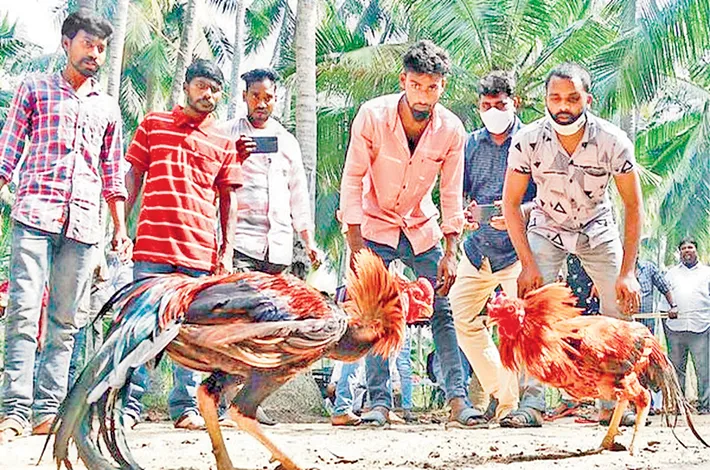
ROOSTER FIGHTS WERE FROWNED UPON BY THE PRESENT GOVT WHEN IN OPPOSITION, BUT NOW IT REFRAMES IT AS CULTURAL HERITAGE
As the vibrant hues of Sankranti kites dot the skies and the aroma of traditional sweets fills the air, a darker undercurrent is stirring controversy in Andhra Pradesh. What was once condemned as moral decay under the previous regime is now being reframed as cultural heritage by the current coalition government led by the Telugu Desam Party (TDP). Critics are calling it a classic case of political hypocrisy, where cockfights and high-stakes casinos during the harvest festival have escalated dramatically, leaving observers questioning the consistency of public outrage and media scrutiny.
The issue traces back to the years 2019-2024, when the YSRCP held power. In districts like East and West Godavari and Krishna, Sankranti celebrations turned notorious for cockfights organized by some YSRCP MLAs. These events, often featuring bets worth thousands to lakhs of rupees, drew sharp criticism from opposition parties. TDP and Jana Sena Party leaders, along with their activists, flooded social media with posts, memes, and trolls decrying the activities as destructive and immoral. Telugu media outlets amplified the backlash, broadcasting stories that painted the state as teetering on the brink of chaos. Casinos in areas like Gudivada and Gannavaram were highlighted as symbols of unchecked vice, prompting widespread condemnation from civil society and political commentators alike.
Coming back to situation today, under Chief Minister Nara Chandrababu Naidu's TDP-led coalition, and the narrative has flipped. Reports from across the state indicate that Sankranti festivities this year have seen an unprecedented surge in gambling activities. Cockfights, once criticized, are now rampant, with stakes soaring into crores of rupees per event – a tenfold or even hundredfold increase from previous years. In Krishna, Guntur, and the Godavari districts, TDP MLAs and local leaders are allegedly at the forefront, organizing lavish setups that rival professional arenas. Eyewitness accounts describe sprawling venues where roosters clash amid cheering crowds, with bets facilitated through informal networks that evade regulatory oversight.
Even more audacious are the pop-up casinos sprouting in these regions. Modeled after Goa's famed gambling hubs, these temporary establishments boast entry fees as high as Rs 1 lakh, attracting high-rollers from across the country. Sources claim these operations are so extravagant that they've reportedly forced a temporary shutdown of casinos in Goa this week, as patrons flock southward for the festive thrill. "It's like Las Vegas meets rural Andhra," quipped one anonymous attendee, highlighting the irony of a festival meant to celebrate agrarian roots devolving into a gambler's paradise.
What's striking is the apparent silence from quarters that were once vocal. Police forces, typically quick to intervene in such matters, have been conspicuously inactive, raising eyebrows about potential political patronage. The same Telugu media that lambasted YSRCP's indulgences now maintains a stoic quietude, prompting accusations of biased journalism. "Is this what impartial reporting looks like?" asked a prominent social activist in Vijayawada, echoing sentiments from online forums where netizens decry the double standards.
Chief Minister Naidu has added fuel to the fire by publicly declaring cockfights an integral part of Telugu culture and tradition. In a recent address, he emphasized their historical roots in rural festivities, arguing they foster community spirit. This stance has left many pondering: If these activities are now deemed acceptable, weren't the past criticisms of YSRCP hypocritical? Detractors argue this represents self-deception on a societal scale, where political convenience trumps ethical consistency. "How justified is this flip-flop?" questioned opposition voices from YSRCP, who point out that their regime faced relentless attacks for far lesser infractions.
The debate has sparked satirical suggestions for formalizing these practices. Why not legalize international casinos through global tenders, proponents jest? Such a move could attract massive investments – think lakhs of crores from giants like those in Las Vegas – creating jobs for the state's youth and boosting revenue. Along the Krishna River's sand dunes in Vijayawada and Guntur, tents could host not just gambling but water sports and tourist attractions, blending vice with vacation. Political leaders from all parties, known for their enthusiasm in such ventures – including card games, cockfights, and even massage centers – could lead the charge.
Recent events like the grand Vibrant Vijayawada Dasara and Avakaya Amaravati festivals demonstrate the government's flair for spectacle. By consulting proactive IAS officers and forming an advisory council of local intellectuals and international enthusiasts from these districts, the state could elevate its profile. Imagine taking this team to the Davos World Economic Forum to ink deals for world-class casinos – Amaravati could gain global recognition overnight, transforming from a capital-in-progress to a gambling mecca.
Still, not everyone is amused. Animal rights groups have renewed calls for bans on cockfights, citing cruelty, while economists warn of the social costs: addiction, debt, and inequality. "This isn't progress; it's regression masked as tradition," said a Hyderabad-based sociologist. As Sankranti winds down, the real question lingers: In a state grappling with development challenges, is twisting cultural norms to justify excess the path forward? Or is it time for genuine introspection? Think about it – would you say no to such "investments"?