21 September, 2026 | 12:15 AM


Naturally formed human-like rock draws attention
01-08-2026 12:00:00 AM
Metro India News | SURYAPET
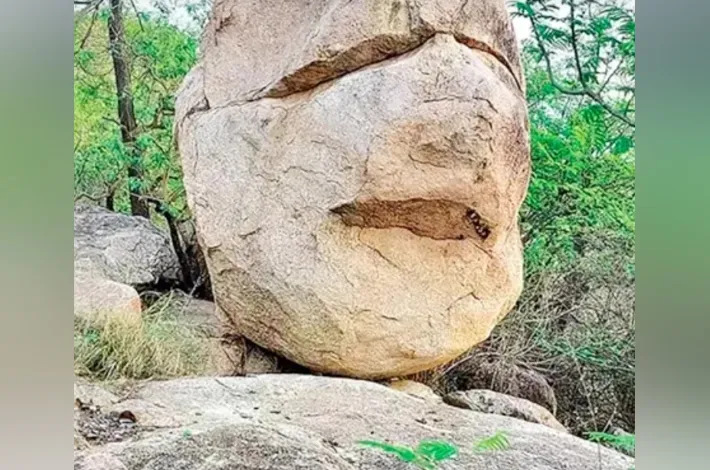
A naturally formed rock formation resembling a human face has become a major attraction near Gudepukunta Thanda in Penpahad mandal of Suryapet district, captivating both local residents and visitors. The unusual geological formation, shaped entirely by natural processes, is being widely described by locals as an "unsculptured masterpiece" due to its striking resemblance to a human figure. Located on a rocky hill along the border of Noorjahanpet and Gudepukunta Thanda villages, the site features several boulders that appear to resemble different human forms.
Among them, one prominent rock closely resembles a human face, drawing the attention of visitors and photography enthusiasts alike. Another massive boulder on the hill resembles a human head, while a separate rock formation bears a striking likeness to the head of a sage resting peacefully. These unique natural formations have become a popular tourist destination. Local residents say the rock formations have existed for generations. They believe a detailed scientific and archaeological survey by the Archaeological Department could reveal more about the site's geological or historical significance.
Given the hill's proximity to the main road, residents have urged the government to identify and develop the location as a tourist destination by providing basic infrastructure and visitor facilities. According to local historians, the region contains several rock formations that may date back to the Megalithic Age, generally associated with the period between 1200 BCE and 300 BCE. Some experts suggest the human-like appearance of these rocks may have developed naturally over centuries through weathering and erosion.
Historians and local residents believe that systematic archaeological and geological investigations could help determine the origin, age, and significance of these formations while potentially uncovering additional historical and cultural insights. Residents have appealed to the Archaeological Department to conduct detailed studies and take appropriate steps to preserve these unique natural formations for future generations.