22 September, 2026 | 4:45 PM


NYT article on RSS: Hit job or accurate assessment?
05-01-2026 12:00:00 AM
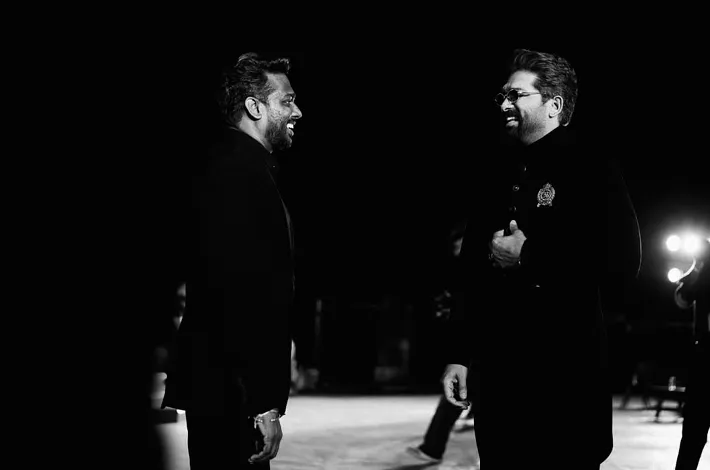
A senior journalist argued that the New York Times piece was not surprising given the RSS's century-long presence and its current hegemonic position in India's ideological landscape under three consecutive BJP-led governments
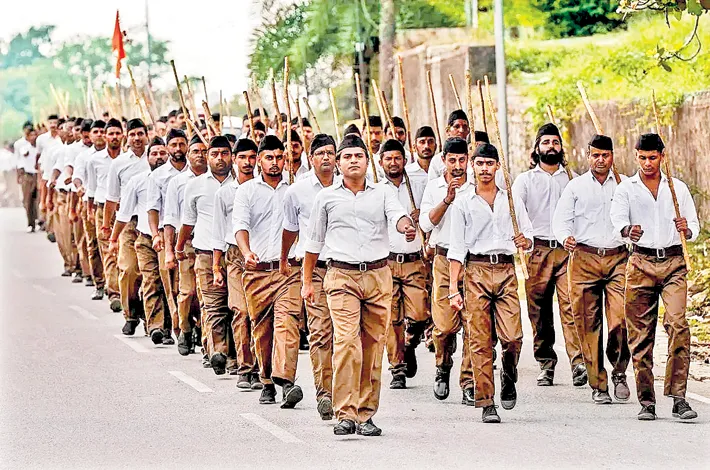
As India welcomed 2026, the century-old Rashtriya Swayamsevak Sangh (RSS) found itself once again at the centre of intense national and international scrutiny. Marking the 100th anniversary of its founding in 1925, the RSS — established to promote Hindu cultural nationalism and counter what its founders saw as Western and colonial influences on the idea of nationhood — faced renewed criticism following a high-profile article in The New York Times.
Published on December 26, 2025, and featured on the front page, the article titled "From the Shadows to Power: How the Hindu Right Has Reshaped India" described the RSS as originating as a "shadowy cabal" aimed at reviving Hindu pride after centuries of Muslim invasions and colonial rule. It highlighted the group's early leaders' inspiration from the nationalist models of 1930s and 1940s European fascist parties, and portrayed its affiliates as vigilantes enforcing religious lines in public life.
The piece claimed the RSS views India's Muslims and Christians as descendants of foreign invaders, and accused it of infiltrating institutions to transform India's secular republic into a "muscular Hindu-first nation." It also noted the organisation's vast network of affiliates, accumulated wealth spread across numerous trusts, and a lavish new campus in New Delhi. The article sparked immediate outrage among RSS supporters and BJP leaders, who dismissed it as a biased "hit job" by Western media. Critics within India, however, hailed it as validation of long-standing concerns about the group's ideology and influence.
A senior journalist argued that the New York Times piece was not surprising given the RSS's century-long presence and its current hegemonic position in India's ideological landscape under three consecutive BJP-led governments. He pointed to historical inspirations from European fascist models, including documented meetings between early RSS figures and Italian leaders, and described the article as relatively objective despite its critical tone.
A BJP spokesperson strongly defended the RSS, calling the article irrelevant and a narrative-driven attack. He highlighted the organisation's vast network — including the world's largest trade union (Bharatiya Mazdoor Sangh), student union (Akhil Bharatiya Vidyarthi Parishad), and the BJP as the world's largest political party — as evidence of its transparent, grassroots work across society, from tribal areas to cooperatives. He cited books like RSS: A View to the Inside by Walter K. Anderson and Shridhar Damle, and emphasized increased social inclusivity under BJP governance, including representation of marginalized communities in high positions. He also pointed to progressive statements by current RSS chief Mohan Bhagwat, who has distanced the organization from outdated texts like M.S. Golwalkar's Bunch of Thoughts, calling them non-contextual today, and promoted inclusivity for women and minorities.
Critics countered by questioning the RSS's lack of formal membership registration, transparency in finances, and the opaque process for selecting its leadership. They accused the group of operating in a secretive manner, promoting Hindu supremacy, and linking it to vigilante actions by affiliates that enforce economic boycotts and target minorities. Sharma invoked historical criticisms from figures like Jawaharlal Nehru, Sardar Patel (who described the RSS as a "military semi-military organization" dangerous to the country in 1948), and Dr. B.R. Ambedkar, who called Hindutva a "calamity" for India. Pro right wing commentators however dismissed the New York Times as biased, citing its past alleged "hit jobs" on India and failure to condemn anti-Hindu violence elsewhere, while praising the RSS's social service, including thousands of schools in remote areas. They recalled its formation in response to perceived threats during events like the Khilafat movement and Moplah massacre. The episode reflected deep divisions: supporters portrayed the RSS as a disciplined, inclusive cultural force that has endured bans and scrutiny for 100 years, while opponents insisted its ideology and opaque structure continue to fuel social disharmony and undermine secularism. The debate over the RSS — its role, ideology, and future influence — shows no signs of ending, even after a full century. With the organization’s growing global attention, the conversation is likely to continue well into 2026.