28 September, 2026 | 7:23 AM


SC draws red line on stem cell therapy for autism
01-02-2026 12:00:00 AM
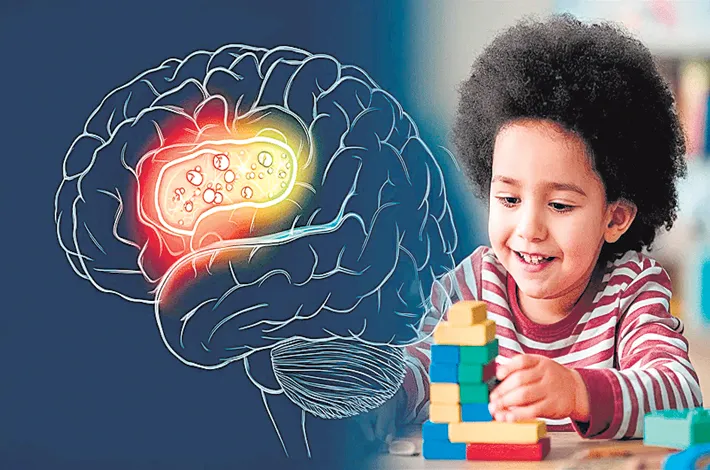
In a landmark judgment redefining ethical boundaries in Indian medical practice, the Supreme Court has barred the use of stem cell therapy as a treatment for Autism Spectrum Disorder (ASD), except when conducted strictly within approved and regulated clinical trials. The ruling sends a strong message that hope cannot be marketed as medicine, and desperation cannot substitute scientific evidence.
The court held that there is no reliable scientific proof establishing stem cell therapy as either safe or effective for autism. Offering it as a routine clinical treatment, the bench ruled, amounts to medical malpractice. Importantly, it clarified that parental consent does not make such treatment legal or ethical when families are not provided with truthful, evidence-based information.
Autism is a complex neurodevelopmental condition with no medical cure at present. Evidence-based care focuses on early intervention, behavioural therapy, structured education, and sustained social support. Experimental procedures, the court observed, cannot be projected as treatment merely because families are willing to try anything in the face of limited options.
The bench made it unequivocally clear that any use of stem cells for autism outside an approved clinical trial is unethical. It noted that emotionally vulnerable families are often misled into believing that stem cell therapy can improve or reverse autism, despite the absence of scientific validation.
Reacting to the verdict, Dr Chandrashekhar Thodupunuri, Director of Resplice Autism Research Institute, said the ruling reflects a hard truth. “There is no medication for autism right now. Because of desperation, many parents look at experimental options like stem cell therapy,” he said.
He explained that autism is influenced by environmental factors such as chemicals, pesticides and preservatives, which can affect gene activity during pregnancy. “Brain development is impacted early, and after birth it cannot be reversed,” he noted.
While stem cell therapy is often portrayed as harmless, Dr Thodupunuri urged caution. “It may appear safe, but it is not approved. The chances of benefit are very low, and there are many scientific gaps,” he said, adding that safety and effectiveness are not the same.
On enforcement, he admitted challenges remain, as such therapies are easily available and often pursued voluntarily. “Consent alone is not enough,” he stressed.
The judgment places patient safety, scientific integrity and ethical responsibility above commercial interests, potentially reshaping the future of experimental medicine in India.