18 October, 2026 | 2:43 PM


Temporary employment and permanent problems
13-02-2026 12:00:00 AM
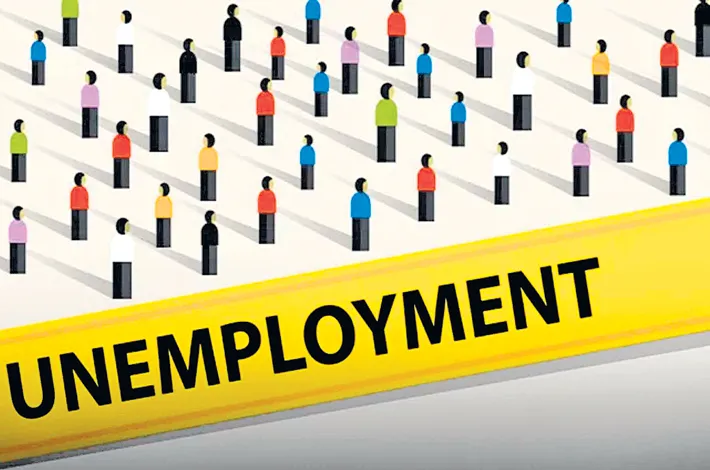
India's unemployment rate stands at 4.8%, marking the lowest level in the past three quarters according to recent data from the Ministry of Statistics and Program Implementation (MoSPI) and other sources for late 2025. This reflects a modest improvement from previous periods, with rural unemployment dropping to 4.0% and urban areas seeing a decline to 6.7% in the October-December 2025 quarter. For comparison, several Asian economies like Japan, Mexico, and South Korea maintain unemployment rates below 3%, showcasing stronger job market stability.
Meanwhile, the United States and United Kingdom hover around 4.4%, while China reports about 5%. The world's highest unemployment rates, ranging from 8% to 10%, persist in countries such as Spain, Colombia, Greece, and certain African nations. However, this seemingly positive headline masks deeper structural issues in India's labor market. According to the latest report from the India Staffing Federation (ISF) released in early 2026, the share of flexible (or flexi) workers in India's workforce has surged dramatically to 70% in 2025, up from just 20% five years earlier.
Sectors like Banking, Financial Services and Insurance (BFSI), manufacturing, e-commerce, and IT lead in adopting flexi arrangements. Flexible workers include those on contractual, outsourced, or temporary jobs—essentially employed but often seeking more stable, permanent positions. Demographically, 40% of these flexi workers fall in the 25–30 age group, with 31% in the 31–45 bracket, meaning 71% are in their prime working years. Opportunities for permanent employment diminish significantly after age 45, and even when secured, the productive "serving" years may be limited to 5–10 due to health, family responsibilities, or other factors.
Globally, the share of flexi or gig workers varies between 15% and 40% (with broader gig economy estimates placing it lower at around 4–12% of the global labor force in many analyses), making India's 70% figure notably high and concerning for long-term workforce security.Flexi jobs often come with limited wage growth—annual increments typically range from 3% to 5%, which frequently fail to keep pace with inflation, especially for those in the 25–45 age group facing elevated costs in areas like children's education, housing, and transportation.
While India's overall inflation remains relatively moderate at around 2% in recent periods, these household-specific expenses inflate much faster, eroding real purchasing power and financial stability. The workforce, therefore, craves more durable employment opportunities to better plan long-term living expenses, savings, and life milestones. The predominance of temporary roles contributes to financial strain, evident in the sharp rise of unsecured personal loans—a growing stress point in India's credit landscape.
Personal loan assets under management (AUM) have climbed significantly, reaching around Rs 15.9–16.3 lakh crore with double-digit year-on-year growth in recent quarters, driven by higher ticket sizes and demand from younger borrowers. This trend signals underlying pressures: while low official unemployment is welcome, the quality and security of jobs remain inadequate for many, potentially fueling debt dependency and economic vulnerability if not addressed through policies promoting permanent hiring, skill development, and better wage protections. In summary, India's labor market shows surface-level progress but requires urgent reforms to shift from flexi dominance toward sustainable, secure employment that aligns with demographic realities and rising living costs .
-Dr Kishore Nuthalapati The author is CFO of BEKEM Infra Projects Pvt Ltd