21 September, 2026 | 10:17 AM


The voice of Gen Z – A new era of people's movements
28-07-2026 12:00:00 AM
Metro India News | Hyderabad
On 25 July 2026, a remarkable chapter unfolded in India’s political history. Sustained nationwide pressure from students and young people forced Union Education Minister Dharmendra Pradhan to resign. This was more than the fall of one minister; it demonstrated how organised, peaceful, and goal-oriented youth can compel even a government with a strong parliamentary majority to respond.
As a Telugu proverb reminds us, even a mighty serpent can be brought down by tiny ants working together. Leadership from diverse backgrounds, including figures such as Sonam Wangchuk and Abhijit Deepak, showed that genuine public issues can transcend caste, religion, and region.
Gen Z does not seek to overthrow governments or destroy institutions; it wants them to function responsibly and deliver constitutional rights. Equality of opportunity without discrimination, combined with social justice, remains central. Youth have driven major transformations across history. Recent protests in Sri Lanka, Bangladesh, Nepal, and India reflect shared realities: large youth populations with unmet aspirations, unemployment and recruitment delays, rising inequality, declining trust in institutions, and the rapid spread of solidarity via social media.
At the same time, a concerning trend among some Bahujan youth is susceptibility to anti-reservation narratives rooted in incomplete understanding. During the 7 August 1990 parliamentary debate on the Mandal Commission, then Prime Minister V. P. Singh highlighted the stark underrepresentation of Other Backward Classes—only 4.53% in Group A and 10.63% in Group B central services.
Even by 1 January 2024, OBC representation stood at 19.14% in Group A and 21.95% in Group B, still short of prescribed levels. These are not ordinary jobs but positions of policymaking and governance. Without adequate representation of historically disadvantaged communities, democratic participation remains incomplete.
Young people must study the Constitution, history, and data rather than social-media misinformation. The Telangana Backward Classes movement can draw clear lessons. Youth—students, job aspirants, and young women—must form its core. The philosophy of Hissa (fair share/representation), Izzat (dignity), and Hukumat (power) should become every BC youth’s mission.
Unity above party lines, permanent institutional structures from village to state level, evidence-based demands grounded in the Constitution, a sharp focus on objectives such as 42% reservation and proportional representation, and the combination of social-media activism with grassroots mobilization are essential.
When youth move, society moves; when society moves, politics changes. Only then does Hissa become reality, bringing Izzat and enabling Hukumat. That is the new chapter the Telangana BC movement must write.
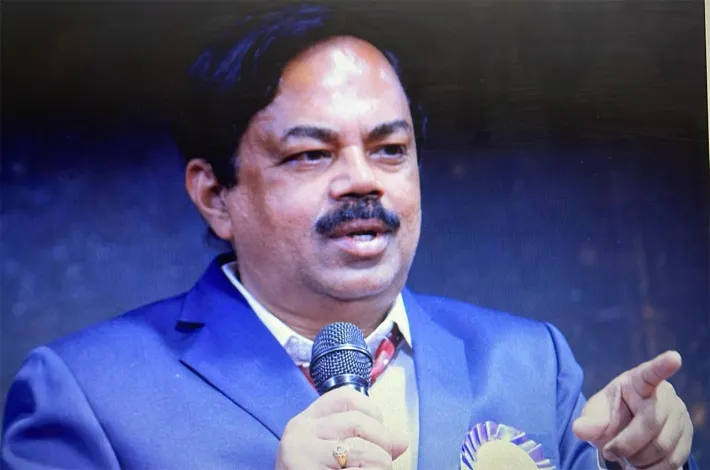
-T Chiranjeevulu
The author is retired IAS officer and Chairman of BC Intellectuals Forum, Hyderabad