25 September, 2026 | 2:04 PM


50 TV channels went dark overtime as OTT takes centre stage
06-01-2026 12:00:00 AM
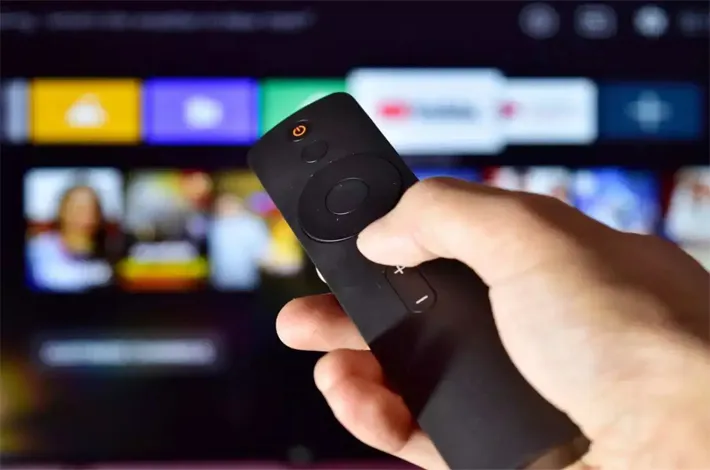
Over 50 TV channels shut down in India in last 3 years as of 2026, because fewer people are watching traditional TV
Hema Singuluri I hyderabad
India’s Television Industry over the past three years, has witnessed a quiet but significant fallback. Between 2023 and 2025, more than 50 television channels surrendered their broadcasting licenses, indicating not just a shift in viewer habits but also a deeper structural crisis within traditional broadcasting.
While the digital platforms continue to rise, the running of television is being driven as much by economics, regulation, and distribution along with the changing audience preferences. According to the Ministry of Information and Broadcasting, the list of broadcasters that exited various channels reads like a roll call of industry heavyweights. JioStar, Zee Entertainment Enterprises, Eenadu Television, TV Today Network, NDTV and ABP Network have all discontinued one or more channels in recent years. Even Enter10 Media, which operates Dangal, among India’s top ten most-watched channels, surrendered licenses for Dangal HD and Dangal Oriya, shelving planned expansion despite strong brand recall.
This shift also reflects a sharply divided media landscape. Numerous Urban households are moving rapidly to over-the-top (OTT) platforms such as YouTube, subscription streaming apps and social media. Meanwhile, cost-conscious viewers are gravitating towards DD Free Dish, the government-run free satellite service. This dual migration has apparently squeezed pay television from both ends. Direct-to-home subscribers fell from 72 million in FY2019 to 62 million in FY2024, with ratings agency Crisil projecting a further decline to below 51 million.
However, the Advertising revenue tells the same story. Wire and Plastic Products (WPP) estimate television advertising will decline by 1.5 per cent in 2025 to Rs. 47,740 crores, even as India’s overall advertising market expands rapidly, expected to touch Rs. 2 lakh crores by 2026. In effect, money is flowing into the media but also bypassing traditional television.
Broadcasters often argue that the playing field is uneven. Industry bodies point to heavy licensing costs, strict content regulations, uplinking fees and pricing controls imposed on television channels, while OTT platforms operate with significantly lighter oversight. JioStar formally described its decision to surrender licenses for MTV Beats, VH1 and Comedy Central as “internal business decisions”, while ABP Network cited high operating costs and weak revenues when it shut down ABP News HD.
Veteran broadcaster Kareem Shaik, former founder of TV9, believes that the transformation goes beyond just the social media, OTT or the viewer behavior. He has consistently argued that OTT will dominate the future, not merely as a platform but as an economically viable ecosystem. According to him, many channels across Telangana and Andhra Pradesh have been forced to shut down due to unpaid taxes, non-renewal of licences and the inability to meet developing compliance costs.
Applying for a television license today requires maintaining nearly Rs. 20 crores in reserves, which has discouraged new entrants. Investors are increasingly unwilling to sink capital into television broadcasting or distribution when content monetization through YouTube offers faster returns and lower risk. “Specifically, in Andhra Pradesh and Telangana, Xpress TV lost its license for failing to telecast content. Telugu channels face severe challenges, with declining viewership and high distribution expenses making sustainability difficult. Language-based broadcasting, once a strength, has become a financial liability”, he added.
In addition, operational issues are another major difficulty. The industry is struggling with a shortage of trained broadcasting technicians, particularly in the Telugu states. Shaik also points to a decline in strong broadcast journalism in Andhra Pradesh and Hyderabad, further weakening the sector. Importantly, he says that it is not just social media or the OTT that is responsible for today’s TV decline but the financial and viewership conditions too. Platforms like OTT, YouTube and social media, he argues, are merely distribution channels for content, not replacements for satellite broadcasting.
The real problem lies in funding, uplinking costs and distribution of economics, and viewership. While the government continues to prefer satellite channels for official advertising, cable-based distribution receives little institutional support. However, he added that the OTT would be ruling the future. As Indian audiences increasingly choose their phones over remotes, the country’s television industry finds itself at a crossroads now.