12 October, 2026 | 10:39 AM


Can women MPs transform Indian politics?
24-03-2026 11:15:08 PM
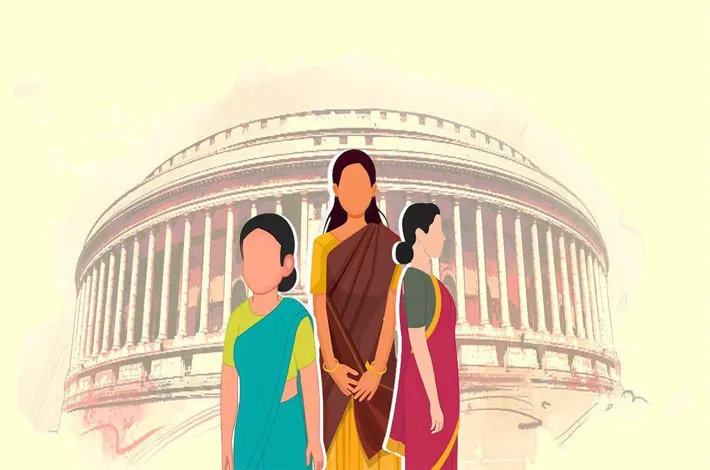
While expanding the House to over 800 members ensures both urban and rural constituencies are adequately represented. Political commentators say this balances urgency with practicality, allowing reservation to be implemented without disrupting parliamentary functionality
The government is preparing a landmark constitutional amendment to reserve 33% of Lok Sabha seats for women, aiming for implementation by 2029. Under this plan, the strength of the Lok Sabha will rise from 543 to 816 seats, with 273 reserved for women. This move is tied to a fresh delimitation exercise based on the 2011 Census, designed to address concerns of southern states about representation shifts and ensure a balanced political landscape.
The amendment has already secured support from NDA partners, and consultations with opposition parties are underway to build consensus. Journalists report that the bill is likely to be introduced soon, signaling the government’s determination to act swiftly on this reform.
Currently, women’s representation in legislatures remains low. Chhattisgarh has 18% women legislators, Mizoram has none, and Himachal Pradesh has only one. Experts argue that reserving 33% of parliamentary seats will significantly boost women’s presence in decision-making and ensure gender-sensitive legislation from the outset. Increasing women MPs from around 82 today to 273 is expected to transform parliamentary dynamics and broaden perspectives on healthcare, education, social welfare, and women’s rights. Analysts believe this step goes beyond symbolism, as greater female participation could strengthen leadership, influence policymaking, and enhance India’s global image in gender empowerment. With women voters playing a decisive role in elections, supporting this measure is strategically important for all parties.
A key feature of the amendment is its reliance on the 2011 Census for delimitation. Using existing data avoids indefinite delays and demonstrates seriousness, while expanding the House to over 800 members ensures both urban and rural constituencies are adequately represented. Political commentators say this balances urgency with practicality, allowing women’s reservation to be implemented without disrupting parliamentary functionality. The amendment also proposes increasing state assembly seats by about 50%, while leaving Rajya Sabha numbers unchanged.
This addresses southern states’ concerns about being penalized for population control measures, preserving regional balance and avoiding political friction. Despite optimism, challenges remain. Expanding the Lok Sabha to over 800 members could strain efficiency, raise infrastructure costs, and complicate debates. Questions about proportional adjustments for SC/ST reserved seats based on the 2011 Census are unresolved. Lawmakers note that larger constituencies are already difficult to manage, and the amendment seeks to balance fairness with feasibility.
The timing of the move is also strategic. Amid global conflicts, oil price fluctuations, and domestic economic uncertainties, the government can showcase concrete action on gender empowerment, aligning with Prime Minister Modi’s vision of women-led development. Following the Nari Shakti Vandan Adhiniyam of 2023, this step positions India as a leader in inclusive governance.
Political analysts highlight both symbolic and practical significance. Increasing women MPs demonstrates commitment to gender equality and could inspire more women to enter politics. It may also shift societal perceptions of leadership and encourage younger generations to pursue public office. Successful implementation will require careful planning, effective delimitation, and continuous monitoring. Supporters argue this is a historic opportunity to create a balanced political system where women have a meaningful voice. Critics point to logistical hurdles, including managing a larger parliament and ensuring proportional representation across reserved categories. Yet most agree the benefits outweigh the difficulties.
If passed with broad support, the amendment could mark a turning point in Indian democracy. It would address women’s under-representation and set a precedent for inclusive reforms worldwide. By prioritizing gender representation now, India can ensure legislative bodies reflect the population more accurately, bringing equity and efficiency to governance. The government’s approach blends pragmatism and ambition—expanding seats while using the 2011 Census balances immediate action with long-term feasibility. Analysts emphasize that success will depend on cooperation across parties, careful execution, and engagement with women’s groups and civil society.
As discussions progress, the potential impact of reserving 33% of Lok Sabha seats for women is clear. Beyond numbers, it represents a structural shift that could reshape policymaking, electoral dynamics, and India’s global standing. While challenges remain, the proposal offers a historic opportunity to empower women and foster inclusive governance. By 2029, Indian democracy could look dramatically different, with women playing a central role in shaping the nation’s future.