1 October, 2026 | 2:53 PM


Creator labs in schools triggers online debate
04-02-2026 12:00:00 AM
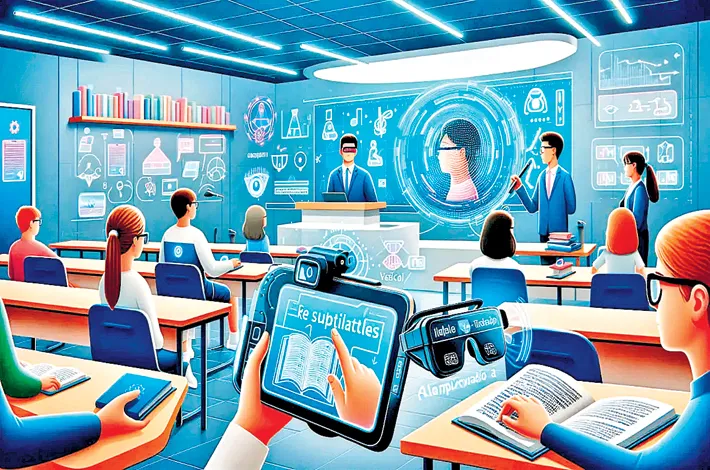
India’s proposed “content creator labs” have ignited intense debate online after Finance Minister Nirmala Sitharaman announced in the Union Budget 2026–27 that the government will establish Animation, Visual Effects, Gaming and Comics (AVGC) labs in around 15,000 secondary schools and 500 colleges
India’s proposed “content creator labs” have ignited intense debate online after Finance Minister Nirmala Sitharaman announced in the Union Budget 2026–27 that the government will establish Animation, Visual Effects, Gaming and Comics (AVGC) labs in around 15,000 secondary schools and 500 colleges. The initiative aims to equip students with digital and creative skills while improving employability in fast-growing creative industries.
The proposal, backed by an allocation of about ₹250 crore, seeks to strengthen India’s emerging “creator economy” by offering early exposure to animation, gaming, VFX and comics. Supporters argue that structured training can bridge the talent gap in these sectors, encourage innovation and entrepreneurship, and provide career options beyond traditional paths such as engineering or medicine. The move is also seen as an attempt to institutionalise formal talent development in a rapidly expanding digital ecosystem.
The announcement has drawn comparisons with Australia’s contrasting approach. In December 2025, Australia implemented a law banning children under 16 from holding social media accounts on platforms such as TikTok, Instagram and YouTube, citing concerns over online addiction, unsafe content and mental health risks. The difference in policy direction has fuelled discussion on whether India’s plan promotes opportunity or premature digital exposure.
Online reactions in India remain divided. Many view the labs as a forward-looking step that can nurture skills in editing, storytelling, design and digital production, aligning education with future job markets. Others worry that integrating content creation into school environments could increase screen time, distract from core academics and encourage superficial social-media culture among younger students. Some suggest such training should remain optional or extracurricular rather than part of the mainstream curriculum.
Parents and experts have also voiced caution. They warn that deeper involvement in digital creator ecosystems may expose children to cyberbullying, privacy risks, unrealistic social comparisons and harmful online trends. Child-health discussions frequently link unregulated social-media use with anxiety, sleep disruption and insecurity. Critics argue that without strong safeguards, age filters and balanced implementation, schools may struggle to manage these challenges effectively.
Overall, the proposal highlights a broader tension between preparing students for digital futures and protecting them from the downsides of early and excessive online engagement.
Australia enforces under-16 social media ban
Ten major platforms are covered so far, including Facebook, Instagram, TikTok, YouTube, Snapchat, X, Reddit, Twitch, Threads and Kick, with apps like Lemon8 and Yope already being flagged as likely additions.
Platforms will rely on a mix of tools to estimate a user’s age, such as AI facial analysis and optional ID checks. Social media giants face fines of up to 50 million dollars if they fail to take reasonable steps to block young users.