12 October, 2026 | 12:55 AM


Dubai education sector faces layoffs amid regional conflict
30-03-2026 12:00:00 AM
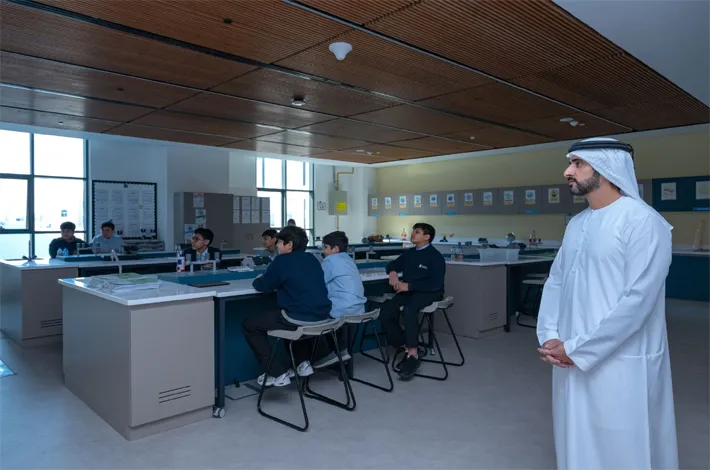
As on date, reports of contract terminations for non-essential teaching staff in Dubai’s private schools—particularly in sports, physical education, and extracurricular roles—have circulated widely among expatriate communities. These claims, amplified by expat rights advocate Radha Stirling of Detained in Dubai, describe a wave of dismissals targeting “non-core” positions as schools grapple with financial pressures.
For many of the UAE’s estimated 90% expatriate workforce in private education, such moves carry severe consequences: immediate loss of income, potential default on loans or rent, and activation of UAE travel bans tied to unpaid debts. Compounding this, anecdotal and media reports indicate some high-net-worth individuals (HNWIs) are reallocating assets parked in Dubai toward Singapore, Malaysia, and Hong Kong.
While the education sector has shown resilience through expansion plans, the current geopolitical backdrop—marked by the US-Israel-Iran conflict—has introduced short-term volatility that tests Dubai’s expat-driven economic model. Private international schools in Dubai and the broader UAE have long relied on expat teachers and students. Enrolment in Dubai alone exceeded 387,000 in 2025, with operators like GEMS Education onboarding 1,700 new teachers recently.
The sector faces chronic shortages, with estimates suggesting up to 30,000 additional educators may be needed by 2031 to support Education Strategy 33 and new school openings. Recent Ministry of Education initiatives for 2025–2026 emphasize AI curriculum integration, assessment reforms, and hiring in core subjects, including physical education for female teachers. Official data point to growth rather than contraction: nine new public schools opened, and KHDA (Knowledge and Human Development Authority) rules introduced in September 2025 aim to reduce teacher turnover with stricter qualifications, 90-day notice periods for mid-term resignations, and deregistration for misconduct.
However, the Iran-related conflict has disrupted this trajectory. Schools shifted to distance learning in early March 2026 (initially March 2–6, later extended in some emirates), with temporary closures affecting students, teachers, and administrative staff. Some private institutions have reportedly begun cost-cutting, prioritizing core academic roles over extracurricular programs amid parental departures and reduced discretionary spending. Stirling and similar voices warn this mirrors 2009 patterns, where job losses triggered cascading debt defaults.
Under UAE labour and civil law, terminated expats lose residency visas quickly; unpaid loans or bounced cheques can lead to court-ordered travel bans, asset freezes, or even detention—risks heightened when families face simultaneous school fee, rent, and loan obligations. Reddit discussions and LinkedIn posts from educators echo stagnant salaries against rising living costs, though these predate the current crisis. No comprehensive official tally of education-specific redundancies exists, and broader corporate responses appear focused on “non-critical” roles in retail, hospitality, and real estate rather than wholesale education cuts.
The HNWI dimension adds another layer. In 2025, the UAE—led by Dubai—attracted a net 9,800 millionaires with $63 billion in wealth, cementing its status as a top global destination. Yet Reuters and CNBC reporting in March 2026 documents Asian family offices and HNWIs (some holding $50 million+ in Dubai assets) accelerating transfers to Singapore and Hong Kong. Private jet traffic surged, with advisers confirming dozens of enquiries for asset relocation amid fears over Gulf stability, missile risks, and flight disruptions.
Private wealth lawyers noted clients “de-risking” by splitting portfolios rather than full exits. Dubai’s DIFC continues to highlight family office growth (over 1,289 entities), but short-term sentiment has shifted. UAE officials, including the Dubai Media Office, have labelled capital control rumours “fake news,” reaffirming free movement of funds and citing S&P’s stable AA/A-1+ rating with 184% GDP fiscal buffers. Analysts like Badr Jafar describe the movement as “risk recalibration,” not flight.
Economically, Dubai’s model depends on expat confidence. Tourism, real estate, and education drive growth, but conflict-induced slowdowns—Emirates passenger drops, real estate sales halts, and expat outflows—have prompted layoffs in exposed sectors. Education, while not the hardest hit, risks knock-on effects: fewer students if families relocate, pressure on fees, and reduced extracurricular offerings that differentiate premium schools. Long-term, reforms aligning curricula with labour markets and AI skills could mitigate damage. Past crises (2008–09, COVID) demonstrated resilience through diversification and policy agility.
In conclusion, while specific claims of targeted education layoffs lack broad official corroboration and may reflect isolated or precautionary measures amid uncertainty, they underscore genuine vulnerabilities for expat educators and the sector’s reliance on stability. HNWI asset shifts, though limited and reversible, signal how quickly perceptions can change. Dubai’s authorities and schools must balance cost discipline with retention strategies to safeguard talent and enrolment.
As the conflict evolves, the coming months will test whether these pressures prove temporary—or accelerate a recalibration of the emirate’s appeal as a global education and wealth hub. Sustained transparency and support for affected staff could preserve the confidence that underpins Dubai’s success.