22 October, 2026 | 7:25 AM


How two doctor couples redefined healthcare in tribal India
10-04-2026 12:00:00 AM
Metro India News | Hyderabad
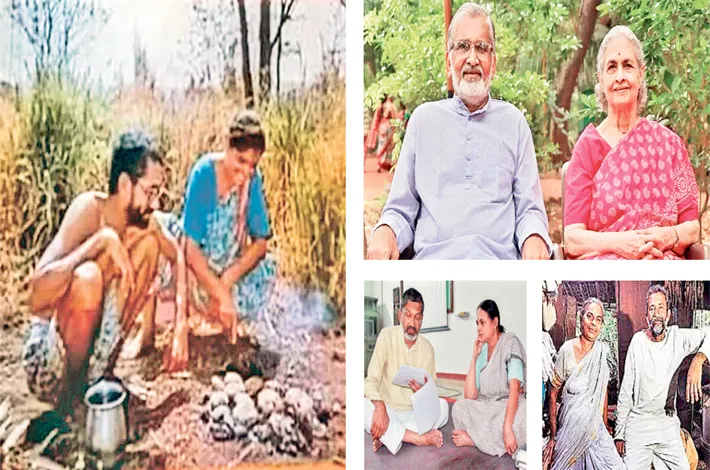
In the most forgotten corners of rural India, the dense forests of Gadchiroli and the remote tribal belts of Melghat, two doctor couples have quietly rewritten the script on healthcare and human dignity. Without the lure of city comfort or big hospitals, they chose the hardest places to live, serve and transform lives, proving that deep commitment, simplicity and community trust can change generations.
In Gadchiroli, Dr. Abhay Bang and Dr. Rani Bang set out in 1986 with a radical idea: world‑class healthcare need not be tethered to urban hospitals. Both brilliant students who topped Nagpur University and earned Master’s degrees in Public Health from Johns Hopkins University, they rejected international opportunities to return to India, inspired by Mahatma Gandhi’s values and a belief that even the most neglected communities deserved quality care.
Their organization, the Society for Education, Action and Research in Community Health (SEARCH), began in a converted warehouse but grew into a global model of community medicine. In Shodhgram, the “tribal‑friendly” hospital they built, Rani performed Gadchiroli’s first caesarean in 1987, while Abhay turned epidemiologist and researcher. Together, they trained local women, many illiterate to become village health workers who could diagnose and treat pneumonia, malaria and maternal complications.
Their most revolutionary contribution was Home‑Based Newborn Care (HBNC). SEARCH workers visited homes, keeping babies warm, managing infections, and supporting breastfeeding. In controlled trials, neonatal deaths fell by 62 per cent; infant mortality plunged from more than 100 per 1,000 live births to around 30.
SEARCH now serves over 100 villages, runs mobile clinics, fights malaria with mosquito nets and combats alcohol addiction. Their innovations shaped India’s National Rural Health Mission, including the HBNC and ASHA worker programmes. Abhay even chaired the government’s tribal health committee, helping draft India’s first tribal health policy. At nearly 75, they have received nearly 70 awards, including the Padma Shri and Maharashtra Bhushan. Yet the deeper reward, they say, is the trust of the people they serve.
Dr. Ravindra Kolhe and Smita Kolhe
Hundreds of kilometers away in Melghat, Dr. Ravindra Kolhe faced a similar challenge, with infant deaths, malnutrition and no basic healthcare. After medical school in the late 1970s, he refused city life. But he knew one thing: he needed a partner willing to share his mission. Nearly 100 women rejected his unusual marriage conditions, forest life, a Rs 5 court wedding, Rs 400 monthly income, no city practice, miles of walking to patients. Then he met Dr. Smita, who not only agreed, she embraced it.
They moved to Bairagarh village, lived like villagers and treated people for Rs 1–Rs 2, often for free. When their own newborn fell critically ill, Smita chose to treat him in the village clinic, a defining moment that turned patients into family and cemented trust.
For 35 years they have reduced infant mortality, fought child malnutrition, improved maternal care, trained local workers, promoted breastfeeding, strengthened food security and helped curb farmer suicides, all while living simply among the people they serve. India honored them with the Padma Shri, yet Melghat is home, not a posting.
In a world obsessed with high‑tech solutions, these four doctors remind us that the deepest healing often begins with presence, trust and a life lived shoulder‑to‑shoulder with communities.