22 October, 2026 | 11:23 AM


Guru Shishya think alike
06-12-2025 12:00:00 AM
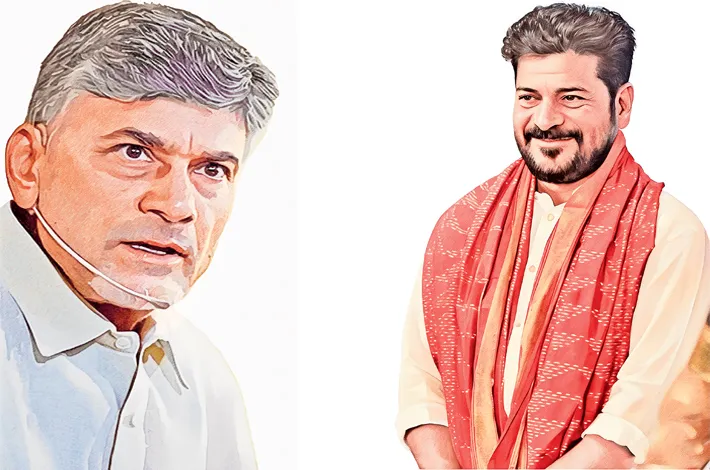
Naidu and Revanth Reddy Reshape Education in Two Telugu States
CM Naidu announced a comprehensive overhaul to make Andhra Pradesh the national benchmark for high-quality, technology-driven, and value-oriented education.
- He declared that technology and creativity will be at the core of learning, positioning AP as a role model for the entire country.
- The state will organize the Students’ Innovators Partnership Summit in the last week of January 2026, where school students will showcase innovative projects to industrialists, with top ideas getting rewards and incubation support.
- Chandrababu Naidu launched the ‘Kalalaku Rekkalu’ scheme, providing foreign education loans at just 0.25% (25 paise) interest so no child gives up dreams due to financial constraints.
- The NDA government has introduced 28 reforms in school education and 10 in intermediate education, including better mid-day meals under Doka Seethamma scheme, Mega DSC recruitment of 16,000 teachers, and studying global best practices (teachers to be sent to Finland, etc.).
- Literacy and Numeracy (FLN) programme for early-grade competencies.
- Revanth Reddy will visit Osmania University on December 10 to personally inspect academic blocks, hostels, and other student facilities.
- He emphasized the crucial role of students and teaching staff in transforming Osmania University into a world-class institution.
- The CM directed officials to actively seek opinions and suggestions from students and faculty for all upcoming development works on the campus.
- Final decisions on the university’s development plans must be taken by the end of December, giving highest priority to students’ opinions.
- Providing hostel and academic accommodation for an additional 10% students (over every 100) to ensure future-proof infrastructure and avoid inconvenience.
- The govt is ready to allocate sufficient funds
- He instructed that development models be displayed to students and staff, and drop boxes along with a dedicated website be created for collecting their feedback.
In a remarkable coincidence of vision, the states of Andhra Pradesh and Telangana are witnessing simultaneous, far-reaching reforms in their education sectors, spearheaded by two Chief Ministers—N. Chandrababu Naidu and A Revanth Reddy. Both leaders, driven by a shared commitment to student welfare and institutional excellence, have rolled out ambitious initiatives that promise to elevate the quality of learning, infrastructure, and global competitiveness for millions of young minds across the region.
In Andhra Pradesh, Chief Minister N Chandrababu Naidu has unveiled what he describes as the most comprehensive overhaul of the education system in decades. Speaking at the Mega Parents–Teachers Meeting 3.0 in Bhamini, Naidu presented a roadmap that positions Andhra Pradesh as India’s future benchmark for technology-integrated, value- oriented, and innovation-driven education. The state has already introduced 28 reforms in school education and 10 in intermediate education under the NDA government. These range from enhanced nutritional standards through the revamped Doka Seethamma mid-day meal scheme to the recruitment of 16,000 teachers via the Mega DSC, ensuring classrooms are better staffed and students better nourished.
Naidu’s vision extends far beyond administrative tweaks. Technology now occupies center stage in Andhra classrooms. The newly launched ‘Classroom Clickers’ provide real-time digital assessments, allowing teachers to gauge comprehension instantly and tailor instruction accordingly. Complementing this is the Foundational Literacy and Numeracy (FLN) programme, designed to strengthen core competencies in early learners. In a symbolic gesture, Naidu and Education Minister Nara Lokesh sat inside a classroom with students to experience these tools firsthand, even offering personal encouragement to a young girl who scored 73 percent on a clicker test.
Perhaps the boldest move is the ‘Kalalaku Rekkalu’ scheme, which offers foreign education loans at an astonishingly low interest rate of just 25 paise. By removing financial barriers for students dreaming of international degrees, the initiative signals Andhra Pradesh’s determination to produce globally competitive talent. Teachers, too, will benefit from exposure to world-class systems, with plans to send them to countries like Finland for training. Looking ahead, the Students’ Innovators Partnership Summit scheduled for January 2026 will bring schoolchildren face-to-face with industrialists, offering incubation support for promising ideas and nurturing a culture of creativity from the grassroots.
Across the border in Telangana, Chief Ministe Revanth is channeling similar energy into higher education, with Osmania University emerging as the focal point of an ambitious modernization drive. During a detailed review meeting at his residence, Reddy announced he would personally visit the campus on December 10 to inspect academic blocks, hostels, and other facilities. His directive is clear: Osmania must evolve into a world-class institution, and students and faculty must be active partners in that journey.
Reddy has mandated unprecedented levels of stakeholder consultation. Development models will be publicly displayed, drop boxes installed, and a dedicated website created so students and teachers can submit feedback. Final decisions on infrastructure projects will be taken only by the end of December, with student opinion given top priority.
This participatory approach marks a significant departure from top-down planning, ensuring that the campus evolves in line with the needs of those who use it daily.
Infrastructure upgrades are equally thoughtful. Hostel construction will include capacity for an additional ten percent of students beyond current enrollment, future-proofing accommodation. Heritage buildings will be preserved, while newer, less historically significant structures make way for modern facilities. Special attention is being paid to sustainable development—urban forestry funds will green the campus, existing water bodies will be conserved, and new sources created. Cycle tracks, pedestrian-friendly pathways, and symbolic installations commemorating Osmania’s historic student struggles will blend functionality with cultural pride.
Both leaders share a common philosophy: education reform must be holistic, inclusive, and forward-looking. Naidu focuses on infusing technology and global exposure from the school level upward, while Revanth Reddy prioritizes democratic planning and sustainable infrastructure at the university level. Together, their initiatives address the entire educational pipeline—from foundational learning and teacher capacity-building in Andhra Pradesh to student-centric campus transformation in Telangana.
The timing of these reforms is particularly significant. With India aiming to become a knowledge superpower, the Telugu states are positioning themselves at the forefront of that aspiration. Andhra Pradesh’s emphasis on innovation summits, low-cost overseas education loans, and Finnish-inspired teacher training complements Telangana’s drive to make Osmania University a globally recognized name. Students in both states stand to gain access to better facilities, more relevant curricula, stronger support systems, and greater opportunities to compete on the world stage.
For parents, teachers, and students across Andhra Pradesh and Telangana, the message from their Chief Ministers is unambiguous: education is no longer just about access—it is about excellence, empowerment, and excellence on their terms. As Naidu and Revanth Reddy press ahead with their respective visions, the twin states are writing a new chapter in Indian education, one where student dreams, institutional heritage, and cutting-edge innovation converge for a brighter, more competitive future.