19 September, 2026 | 10:40 AM


Polavaram-displaced tribals seek share in project lands
19-05-2026 12:00:00 AM
Metro India News | RAJAHMUNDRY
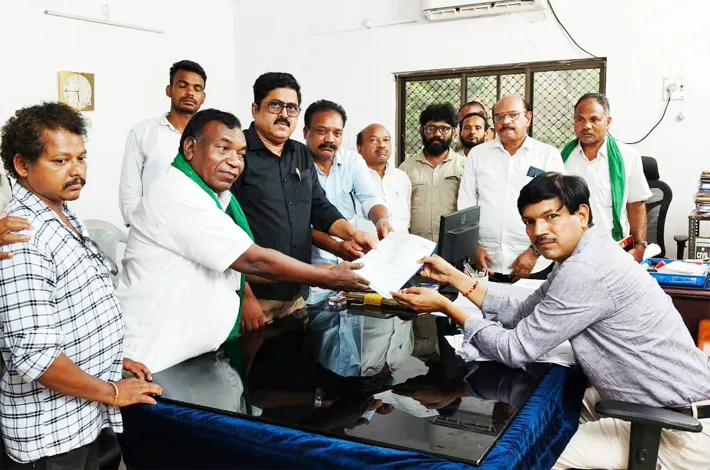
Former DGP Dr J. Purnachandra Rao on Sunday demanded that Adivasis displaced by the Polavaram irrigation project be given a share in the command area agricultural lands benefiting from the project, similar to the land-sharing benefits extended to farmers in the Amaravati capital region. Addressing a media conference organized by the Adivasi Coordination Committee in Rajamahendravaram, Dr Purnachandra Rao said tribal communities that lost their lands, forests and livelihoods for the project must be made stakeholders in its long-term economic benefits.
More than 100 tribal leaders, village representatives and activists attended the meeting. Speaking as advisor to the Adivasi Coordination Committee and national coordinator of the All India Bahujan Samaj Party (AIBSP), Dr J. Purnachandra Rao urged Andhra Pradesh Governor S. Abdul Nazeer to establish a special monitoring mechanism in Raj Bhavan for administration of Scheduled Areas and protection of tribal rights.
The tribal leaders placed five major demands before the government, including allotment of cultivable land to displaced families, partnership in development benefits on the lines of Amaravati farmers, permanent employment to one member of each displaced family, and provision of cultivable land, drinking water, healthcare, education, transport and livelihood opportunities in rehabilitation colonies.
Adivasi Coordination Committee chairman Chanda Lingaiah Dora said more than 355 tribal habitations had been affected by the project. He warned that the Full Reservoir Level (FRL) of 45.75 metres threatened hundreds of villages, podu lands and forest habitations in agency areas. Former MLA Lake Raja Rao said the Comptroller and Auditor General (CAG) report had pointed out serious deficiencies in rehabilitation, compensation, land acquisition and infrastructure in R&R colonies.
The leaders alleged that rehabilitation colonies lacked roads, drinking water, electricity, schools, hospitals and employment opportunities. They demanded that no further displacement should take place until complete rehabilitation was ensured and fresh Gram Sabhas conducted in affected villages.