20 September, 2026 | 8:59 PM


Telangana to bring tough anti-adulteration law
19-07-2026 12:00:00 AM
metro india news I hyderabad
The Telangana government is set to introduce a stringent law to curb the growing menace of food and medicine adulteration. Chief Minister A. Revanth Reddy has directed officials to formulate a comprehensive legal framework to tackle adulteration, announcing that the proposed legislation will be drafted after detailed discussions in the Legislative Assembly and by seeking public opinion. He also ordered the establishment of a toll-free helpline and a whistleblower mechanism to encourage citizens to report adulteration cases.
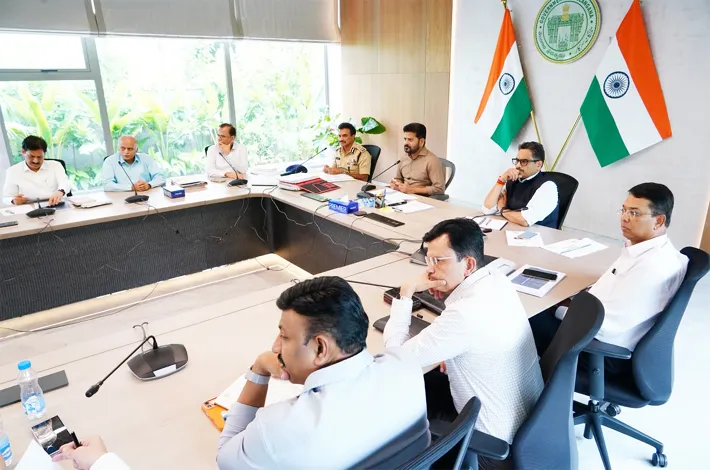
Chairing a review meeting on the proposed Telangana Food Adulteration and Drug Control Act (TGFADCA) at the MCRHRD Bodhi Pavilion on Saturday, the Chief Minister expressed serious concern over the increasing number of people falling ill due to the widespread adulteration of essential commodities, vegetables, leafy vegetables, fruits, milk, medicines and other products.
Revanth Reddy said the indiscriminate use of chemicals to extend the shelf life of leafy vegetables, vegetables and milk, as well as the use of artificial ripening agents for fruits, is posing a serious threat to public health. He noted that widespread adulteration of daily essentials is resulting in increasing health problems among people.
The Chief Minister also pointed out that excessive use of fertilizers and pesticides has led to chemical residues in agricultural produce. He observed that this could be one of the major reasons why several countries have refused to import such products from India.
Expressing concern over misleading marketing practices, Revanth Reddy said several products are being sold under the "organic" label at premium prices despite the absence of a reliable system to verify their authenticity. He said consumers are paying higher prices without any assurance that the products are genuinely organic.
Taking serious note of the growing adulteration of food and medicines, the Chief Minister directed officials to visit countries that have successfully implemented strict and comprehensive anti-adulteration laws and study their regulatory systems. He instructed them to prepare a detailed report based on those findings.
The Chief Minister said the bill would be drafted only after extensive discussions in the Legislative Assembly and after obtaining suggestions from the public to ensure that the law is comprehensive and effective.
Revanth Reddy directed officials to launch anti-adulteration measures on a pilot basis within the CURE region. He instructed authorities to enforce the proposed regulations in the area, assess any shortcomings or practical issues during implementation, and refine the framework before extending it across the state.
To strengthen enforcement, the Chief Minister ordered the creation of a whistleblower system to collect information on adulteration and directed officials to establish a dedicated toll-free number for the public to lodge complaints related to food and medicine adulteration.