22 September, 2026 | 12:02 PM


Women's quota bill A Modi masterstroke
12-04-2026 12:00:00 AM
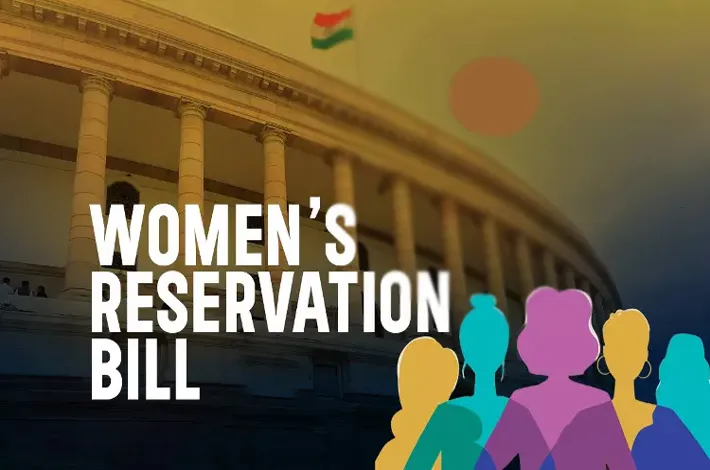
Aiming to create an unbeatable record of a straight fourth term in office in 2029, Prime Minister Modi is looking to weaponize the Women's Reservation, to knock out the Congress at the hustings. In order to sway women voters, who account for 50 per cent of the electorate, Prime Minister Modi is all set to accelerate the timeline for implementation of the one-third reservation of seats for women in Parliament and in State Legislatures, in time for the Lok Sabha elections in 2029. Once Women's Reservation is rolled out, it's bound to be a huge political breakthrough for Prime Minister Modi, as no Government in the past could achieve it.
For the first time, Prime Minister Modi did manage to break the stalemate, by creating political consensus for the passage of Nari Shakti Vandan Adhiniyam, 2023, in Parliament. Now, reservation of seats for women would be within the existing Scheduled Castes (SCs) and Scheduled Tribes (STs) quotas in the Lok Sabha and State Legislatures, as provided in the Constitution. First clear indication from the Modi Government on pressing ahead with the early rollout of Women's Reservation came when the Budget Session of Parliament, which was to adjourn sine die on April 2, has instead been adjourned to meet on April 16.
Since Constitutional Amendment requires 50 per cent of the total membership of the House and two-thirds of those present and voting, in both Houses of Parliament, the Modi Government would require to bring the Opposition on board. Back channel communications have started in earnest. Besides, since the Congress supported it in 2023, it cannot go against it, especially at this juncture. This could favour the Modi Government.
Efforts for increasing women's participation in democratic processes and in decision-making bodies started with the Constitution 73rd and 74th Amendments for reservation for women in Panchayats and Local Bodies at the grassroots level. Now, it is being enlarged to increase their representation in State Legislatures, up to Parliament. It will be a landmark when women's participation in the democratic processes visibly and dramatically increases, bringing them in a big way on to the national political centrestage.
— Anita Saluja (Writer is Delhi-based senior journalist, analyst and political commentator. Views are personal.)