22 September, 2026 | 3:04 AM


A Cry for Fairness Amid Festive Chaos
27-12-2025 12:00:00 AM
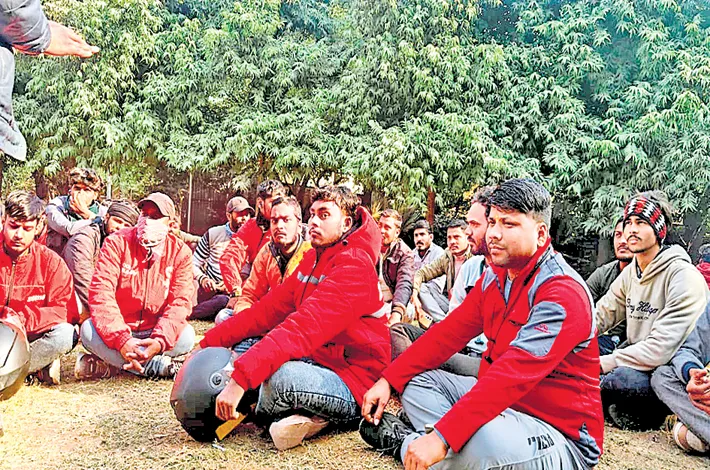
Gig Workers' Flash Strike Shakes India's Delivery Empire
On December 25 as families across India gathered for Christmas celebrations, a different kind of disruption unfolded on the streets. Thousands of gig workers—delivery riders for platforms like Swiggy, Zomato, Zepto, Blinkit, Amazon, and Flipkart—launched a nationwide flash strike, halting operations during peak holiday demand. Organized by unions such as the Telangana Gig and Platform Workers Union (TGPWU) and the Indian Federation of App-Based Transport Workers (IFAT), the action involved around 40,000 workers, leading to 50-60% order disruptions in major cities including Hyderabad, Delhi-NCR, Bengaluru, Mumbai, Gurugram, and Patna. Bike rallies and short, targeted stoppages—often lasting two hours per platform—highlighted the workers' leverage on high-demand days, with some apps displaying "no riders available" messages to frustrated customers.
In Hyderabad, the epicenter of much of the unrest, the strike's impact was palpable. Riders assembled for flash rallies, causing significant delays in food and quick-commerce deliveries. Companies scrambled to mitigate the fallout, deploying third-party logistics like Shadowfax and Rapido, offering extra incentives to non-striking workers, and even reactivating dormant rider accounts. Yet, unions claimed these measures fell short, with disruptions persisting during evening peaks. As one TGPWU representative stated in a widely shared post, the strike exposed the fragility of these billion-dollar platforms built on the backs of underpaid labor. Operations stabilized somewhat by late evening, but the threat of a second round on December 31 New Year's Eve—looms large, potentially amplifying delays amid year-end festivities.
At the heart of the protest are deteriorating working conditions in India's booming gig economy. Workers demand fair and transparent wages, an end to the controversial "10-minute delivery" models, enhanced safety measures, social security, and greater dignity in their roles. Union-aligned reports highlight a sharp decline in per-order pay, dropping to Rs 15–27 in recent months from Rs 34–42 earlier in 2024. These figures, drawn from anecdotal worker statements but echoed across protest narratives, often fail to cover fuel costs, vehicle maintenance, or the time spent waiting for orders. For instance, a rider in Delhi might earn as little as Rs 20 per delivery after deductions, barely breaking even on a 10-km trip amid rising petrol prices hovering at Rs 95 per liter in urban areas.
Compounding this is the grueling nature of the job. Riders frequently report 14–16 hour shifts to meet algorithmic targets, with the pressure of ultra-fast deliveries leading to heightened safety risks. Accidents have surged, with unions citing stress-induced errors and reckless driving as culprits. A 2024 study by the Fairwork India project noted that only 20% of gig platforms provide adequate accident insurance, leaving workers vulnerable. Arbitrary penalties, ID deactivations without due process, and lack of paid leaves further erode job security. "We're not machines," one striker posted on X, capturing the sentiment of exhaustion and exploitation.
This strike isn't isolated; it reflects broader tensions in India's gig sector, projected to expand from 7.7 million workers in 2021 to 23.5 million by 2030, according to NITI Aayog estimates. The workforce, increasingly comprising educated GenZ youth—many with degrees but no "gainful employment"—fuels this discontent. These riders, interacting daily with middle-class and affluent customers, witness stark inequalities that breed frustration. A 2025 survey by the Centre for Labour Research found that 65% of gig workers hold at least a bachelor's degree, yet earn less than Rs 20,000 monthly on average, far below formal sector salaries.
This mismatch, coupled with stagnant opportunities in a job market where unemployment among 15-29-year-olds stands at 17% (per CMIE data), simmers into anger toward the system.
Analysts see this as a potential powder keg. The gig economy, valued at $5 billion in 2024 and growing at 25% annually, relies on flexible labor but at the cost of worker welfare. Platforms report soaring profits—Zomato's net profit jumped 126% to Rs 253 crore in Q2 FY25, while Swiggy's IPO in November 2025 valued it at $11 billion—yet workers' shares remain minimal. The frustration among GenZ riders, amplified by social media, could escalate into larger unrest. As one X post warned, "Festival profits on worker exhaustion" might ignite a revolt against establishments that prioritize speed over safety. Historical parallels, like the 2020 farmer protests, suggest that organized gig actions could mobilize millions, challenging government and corporate policies.
Government intervention offers a mixed picture. The updated Code on Social Security, effective November 21, 2025, mandates platforms to contribute 1–2% of annual turnover (capped at 5% of worker payments) to a Social Security Fund for benefits like health insurance and pensions. However, unions decry weak enforcement, with only 30% of platforms complying fully in initial audits, per a Labour Ministry report. States like Karnataka and Rajasthan have piloted gig worker welfare boards, providing Rs 5,000 annual grants, but nationwide implementation lags. Critics argue the law's vagueness on "algorithmic control"—where apps dictate shifts and penalties—leaves workers exposed.
Company responses have been reactive rather than reformative. Zomato and Swiggy issued statements emphasizing "competitive incentives" and "rider safety programs," but avoided addressing core demands like scrapping 10-minute deliveries. Blinkit, under Zomato, faced backlash for its ultra-quick model, which a 2025 IIT study linked to a 15% rise in rider accidents in metros. As the December 31 strike approaches, platforms may ramp up contingencies, but sustained unrest could force negotiations.
Their demands echo global trends, from Uber strikes in the US to Deliveroo actions in Europe, where regulations have mandated minimum wages (e.g., £12/hour in the UK). In India, with 90 million GenZ entering the workforce by 2030 (per McKinsey), ignoring this discontent risks social upheaval.