 12 September, 2026 | 5:28 PM


Bhatti’s Self-Goal?
21-01-2026 12:00:00 AM
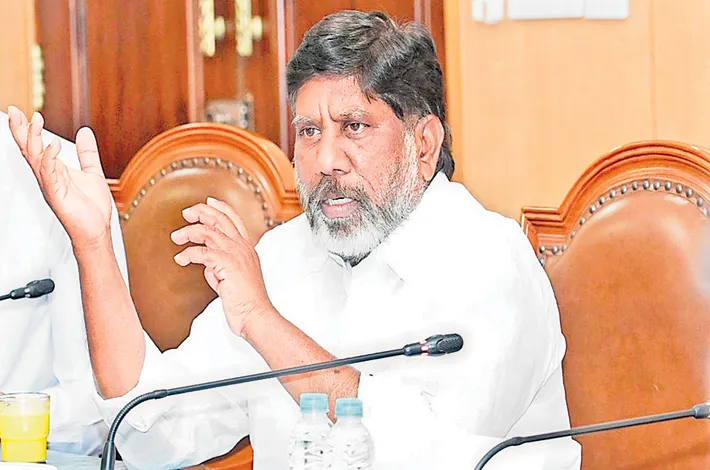
Deputy Chief Minister Mallu Bhatti Vikramarka, who holds the Energy and Finance portfolios, announced the cancellation of tenders for the Naini coal block mining operations in January. The decision came amid widespread allegations of irregularities, including claims that tender conditions were manipulated to favour specific companies. Vikramarka described the cancellation as a "benefit of doubt" measure, emphasizing transparency, but critics argue it amounts to an admission of flaws in the process, potentially undermining investor confidence and delaying coal production.
The controversy erupted after reports surfaced from a section of press, alleging that a media house conspired to make the guidelines to favour a particular bidder. Bharat Rashtra Samithi (BRS) leader T. Harish Rao amplified these charges, demanding a CBI probe and pointing to similar issues in other SCCL tenders. He alleged that post-Congress government tenders were finalized at premiums of +7% to +10% over estimates, compared to -7% under the previous BRS regime, leading to inflated costs and potential kickbacks. Vikramarka vehemently denied involvement, stating at a Praja Bhavan press conference that no bids were received, and the process adhered to central guidelines for public sector undertakings. He instructed fresh tenders, arguing the site visit was to ensure bidder competence in difficult mining conditions.
Was this cancellation a self-goal? On one hand, it demonstrates accountability, potentially averting legal challenges and reputational damage to SCCL, which employs over 40,000 workers and contributes significantly to Telangana's revenue—Rs 32,000 crore in 2024-25 sales. By scrapping the process before contract award, implicitly validates the allegations, as similar conditions persist in other blocks without cancellation.
This could signal procedural weaknesses, deterring investors in India's coal sector, where commercial mining reforms since 2020 aim for liberalization with no end-use restrictions. Delays from re-tendering might push back Naini's ramp-up, impacting energy security amid India's 1.5 billion tonnes annual coal demand.
An even bolder alternative: SCCL executing the project in-house via 20-30 subcontractors. SCCL has extensive experience here, routinely issuing tenders for piecemeal works like excavation (e.g., Rs 573 crore for SRP-OC-II in 2025) and equipment hiring (e.g., hydraulic excavators at Naini). Subcontracting for overburden removal, drilling, and transport has been standard since the 1930s, with policies ensuring competitive bidding and price variation clauses tied to diesel and wages. This model avoids full MDO margins (often 10-20%) and leverages SCCL's expertise, potentially saving Rs 5,000 crore over the mine's life—equivalent to 15% on a Rs 33,000 crore total extraction value (340 MT at Rs 1,000/tonne average pithead price). Harish Rao's claims of +20% premiums in recent tenders suggest in-house execution could recapture such leakages, enhancing professionalism and cost control.
Ultimately, Vikramarka's decision averts immediate scandal but may delay benefits from Naini, a critical asset for Telangana's energy independence. If fresh tenders yield competitive bids without favoritism, it could vindicate the move; otherwise, it reinforces perceptions of a self-goal, costing time and credibility in a sector vital to India's growth. What finally required is an execution without corruption!


