19 October, 2026 | 6:51 AM


Big Infrastructure Dreams, Bigger Execution Test
04-02-2026 12:00:00 AM
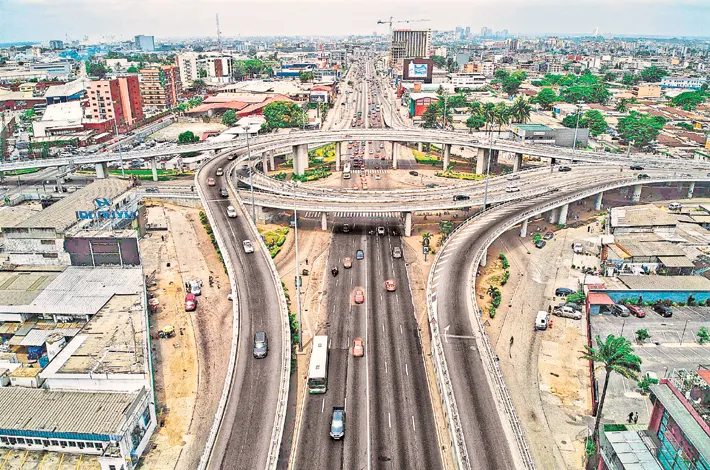
India’s Union Budget 2026–27 has sparked a spirited debate among economists, urban planners, policy experts, and market watchers, with one central question dominating: can an infrastructure-focused budget truly transform the economy?
Presented from the newly inaugurated Kartavya Bhavan, part of the Central Vista redevelopment project, the budget carried symbolism of modernisation and governance. Observers noted that the venue underlined the government’s intent to project infrastructure as the backbone of a “Viksit Bharat.” The ruling party described the budget as broad-based and holistic, aligned with Sabka Saath, Sabka Vikas, covering sectors from women’s empowerment and youth development to tourism, healthcare, and the so-called orange economy.
Yet, the headline grabber was capital expenditure. The allocation of Rs 12.22 lakh crore—the highest ever in independent India—became the fulcrum of the debate. Supporters said the scale of capex marks a decisive shift from welfare-heavy spending to long-term asset creation. A senior architect called it “iconic,” noting that infrastructure investment could ripple across public-private partnerships, foreign investment, and economic growth. He cited spending in the northeast, coastal regions, and hilly areas, including trekking and winter sports infrastructure, as steps toward balanced regional development.
But caution lingered even among supporters. The architect warned that sustainability and environmental safeguards must not be afterthoughts. Corruption at the grassroots—especially in municipal bodies and pollution control boards—could derail outcomes. “Policies and vision look great on paper, but execution is where it all matters,” he said, urging strong legislation, exemplary punishment, and genuine single-window clearances to attract global investors.
Urban infrastructure emerged as another flashpoint. Engineers and planners welcomed the focus on growth centres for cities with populations above five lakh, backed by a Rs 5,000-crore allocation for tier-2 and tier-3 cities. Decentralising growth, they argued, is vital to prevent metro cities from suffocating under air pollution, traffic congestion, and water shortages. Smaller cities could curb distress migration, generate local opportunities, and support sustainable urbanisation.
Yet, a retired urban studies professor cautioned that without climate resilience, emerging cities could repeat the mistakes of older metros. “Tier-2 and tier-3 cities must not become carbon copies of broken urban models,” he warned, urging states and municipalities to pursue climate-sensitive, inclusive development.
Financial market experts offered a mixed reading. A financial services promoter welcomed fiscal discipline, citing a target fiscal deficit of 4.3% for 2026–27 and tax incentives extended up to 2047 for select sectors. Municipal bonds, he added, could improve urban liquidity and finance infrastructure independently of central funding.
However, he expressed concern over the lack of recalibration in long-term equity capital gains tax, which could accelerate foreign portfolio investor outflows and put pressure on the rupee. “Capital flight is real,” he said, calling for careful monitoring.
A policy think-tank CEO defended the government’s strategy, noting the shift from revenue to capex. With capital spending up 12%—outpacing nominal GDP growth—he said the multiplier effect on employment and economic activity could be substantial. Sharp increases in railways and bridge allocations were cited as labour-intensive sectors that trigger demand across industries. “Capex doesn’t just create jobs; it stimulates growth across sectors,” he said, contrasting this with weak private investment amid low demand.
The debate also touched on reprioritisation. Fertiliser subsidies fell 8.5%, while allocations under the Jal Jeevan Mission moderated. Savings were redirected to education (school budgets up 18%, higher education up 8.5%) and health. Social sector spending rose 10% to Rs 4.35 lakh crore, but non-social growth surged nearly 80%, signalling a decisive shift toward infrastructure-led development. MSME formalisation incentives were seen as catalysts for local enterprise growth and broader economic activity.
Adding a geopolitical lens, a magazine editor pointed to the emphasis on critical minerals, economic corridors, and semiconductors. He linked this to global power dynamics, noting China’s dominance in minerals and growing U.S. interest in resource-rich regions. “Without critical minerals, there is no future economy,” he argued, calling India’s budget a late but vital step toward a new-age manufacturing and technology economy.
Yet, implementation doubts remained sharp. Poor urban infrastructure—pollution, outdated airports, waterlogging, especially in Mumbai—was flagged as a major bottleneck affecting investment and tourism. Comparing India’s tourism with Vietnam, the editor questioned the smart cities initiative: “We may be smart citizens, but do we live in smart cities?” Without visible improvements, he warned, even record capex might not translate into tangible progress.
The debate concluded with consensus on one point: the budget is ambitious and forward-looking, but success hinges on execution, governance, and accountability. As India charts its path to a developed economy by 2047, the true test will be whether allocations translate into real impact—without repeating past missteps.