9 October, 2026 | 7:49 AM


‘Glacier meltdown will hit food, water supply to 2 billion people’
22-03-2025 12:00:00 AM
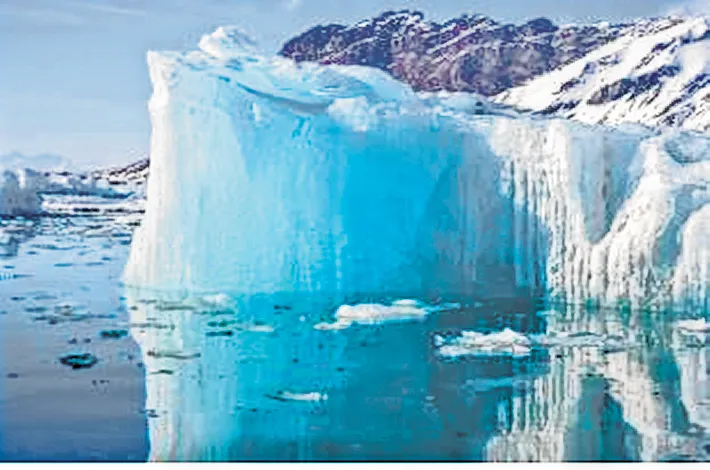
Retreating glaciers threaten the food and water supply of two billion people around the world, the UN has warned, as current “unprecedented” rates of melting will have unpredictable consequences.
Two-thirds of all irrigated agriculture in the world is likely to be affected in some way by receding glaciers and dwindling snowfall in mountain regions, driven by the climate crisis, according to a Unesco report.
More than 1 billion people live in mountainous regions and, of those in developing countries, up to half are already experiencing food insecurity.
Developed countries are also at risk: in the US, for example, the Colorado River basin has been in drought since 2000, and higher temperatures mean more of the precipitation is falling as rain, which runs off more quickly than mountain snow, exacerbating drought conditions.
Audrey Azoulay, the director general of Unesco, said: “Regardless of where we live, we all depend in some way on mountains and glaciers. But these natural water towers are facing imminent peril. This report demonstrates the urgent need for action.”
The rate of change of glaciers is the worst on record, according to separate research from the World Meteorological Organisation, which published its annual State of the Climate report this week. The largest three-year loss of glacier mass on record occurred in the past three years, the study found, with Norway, Sweden, Svalbard and the tropical Andes among the worst-affected areas.
Eastern Africa has lost 80% of its glaciers in places and, in the Andes, between a third and a half of glaciers have melted since 1998. Glaciers in the Alps and the Pyrenees, the worst affected in Europe, have shrunk by about 40% over roughly the same period.