27 July, 2026 | 10:24 AM


Golmaal in Singareni ?
20-01-2026 12:00:00 AM
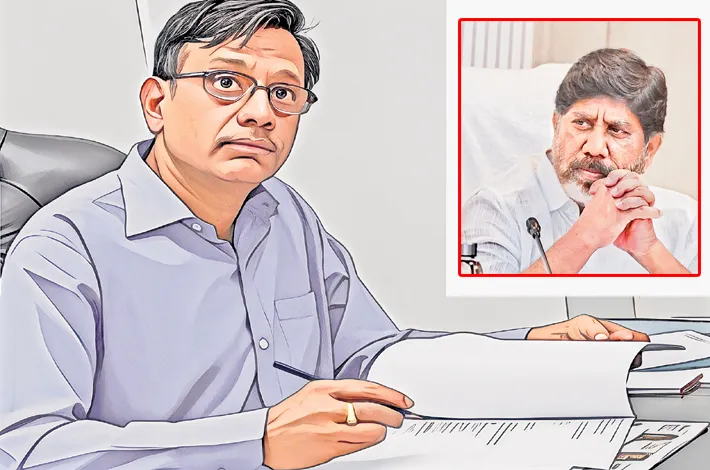
corruption, cartels, and the looming threat to 41,000 jobs
Points to Ponder
- Revised bids must mandate mining experience, turnover thresholds.
- Ensure at least 10 genuine participants, stripping restrictive clauses.
- The SIT must widen its net
- Forensic audits of all tenders since 2024, public disclosure of documents, and probes into cartels, officers, and agencies.
- Ban media trials on the IAS issue to protect dignity.
- The Central Government's silence is deafening.
- Despite its 49% stake, the BJP-led Centre has stayed mum, even as Union Ministers G. Kishan Reddy and Bandi Sanjay – both from Telangana – face calls for intervention.
- This inaction contrasts with past allocations, like direct nominations to PSUs in Gujarat and Odisha.
- Why no oversight when federal interests are at stake?
Two issues which appears to be mutually exclusive, one pertaining to a woman IAS officer and a minister and the other about Naini Coal tender scam are rocking the media landscape. The media outlet which broadcast the story on lay IAS officer and a minister is in very bad taste and does not confirm to any standards of true journalism. The SIT constituted by the government is probing the matter and the SIT should catch the real culprits and bring them to the book. The media outlet management as on date were allowed scot free while the journalists were made scape goats and are arrested. This media story has its roots in the Singareni’s Naini Coal tender scam. Deputy CM Bhatti Vikramarka announced that the Nani tenders are cancelled and fresh bid will be invited. But the story does not end here and it should not. The main crux is who allowed Rs 5000 crore potential loot from Telangana state?
Singareni Collieries Company Limited (SCCL) is a joint venture between the state government (51%) and the Union Government (49%) – has long been a symbol of public sector resilience. Established in 1920, SCCL employs around 41,000 regular workers and reported a staggering profit after tax of Rs 6,394 crore in the fiscal year 2024-25. This financial turnaround, built on decades of reforms, now teeters on the brink due to a explosive scandal surrounding the Naini Coal Block tender in Odisha. What began as whispers of favoritism has erupted into a full-blown crisis involving political infighting, media wars, and allegations of cartel-driven fraud, raising alarms about potential privatization and mass job losses. As Deputy Chief Minister Mallu Bhatti Vikramarka scrambled to cancel the tender on January 18, the episode exposes deep-rooted rot in governance, threatening the livelihoods of thousands and the integrity of a vital public asset.
SCCL's Naini Coal Block, allocated in 2015 with reserves estimated at 350 million tonnes, was meant to bolster India's energy security through efficient mining. The tender, valued at potentially Rs 25,000 crore over 25 years, sought a Mine Developer and Operator (MDO) for overburden removal and coal extraction. But allegations surfaced that pre-qualification criteria were manipulated to favor a specific joint venture lacking mining experience. Key red flags included a mandatory "field visit certificate" issued by SCCL's General Manager, which critics claim was selectively granted, limiting competition to just a handful of bidders. Earnest Money Deposit (EMD) requirements, due one or two days before bidding, allegedly allowed early identification of competitors, opening doors to cartel intimidation.
The scandal's political underbelly is stark. With Congress in power since December 2023, internal rifts have fractured the party. Two aspiring Chief Ministerial candidates are accused of vying for control over the tender, each backing entities tied to their allies. The tender's estimated rates were allegedly inflated by 30% compared to similar Central PSU projects, potentially draining SCCL of Rs 5,000 crore – enough to fund welfare schemes for its 41,000 employees for years. If unchecked, such losses could push the company back into the red, reigniting privatization debates that nearly shuttered it in the early 2000s.
Compounding the mess is a sordid media feud. Two major Telugu media houses have turned the scandal into a proxy war, with one allegedly smearing a woman IAS officer to undermine the other. This led to the formation of a Special Investigation Team (SIT) on January 13, which arrested journalists for airing "fake news." The Telangana IAS Association condemned the reports as regressive and sexist, filing complaints against a TV and seven digital outlets for violating the Indecent Representation of Women Act. Critics question if journalists are mere scapegoats in a larger game where media neutrality is a myth, with houses aligning with politicians for survival. As one X post lamented, "Scapegoats – Journalists & Bureaucrats," the episode highlights how media barons chase "their share of the boot."
At the center stands young IAS officer D. Krishna Bhaskar, appointed SCCL's Chairman and Managing Director in December 2025. A 2012-batch officer with a clean record, Bhaskar inherited a tender process initiated under his predecessor. Did he approve the dubious criteria, or were they pre-set? Amid swirling allegations, his continuation is in doubt; a transfer could signal political cleansing, but skeptics fear any replacement might simply "serve their political masters." Bhaskar's prior role as CMD of TGTRANSCO adds irony – he oversaw transparent power tenders there. Yet, in Singareni, whispers of oral instructions from higher-ups persist, demanding a CBI probe into who drafted the rules.
The Central Government's silence is deafening. Despite its 49% stake, the BJP-led Centre has stayed mum, even as Union Ministers G. Kishan Reddy and Bandi Sanjay – both from Telangana – face calls for intervention. This inaction contrasts with past allocations, like direct nominations to PSUs in Gujarat and Odisha. Why no oversight when federal interests are at stake? Meanwhile, Hyderabad Police's failure to track absconding figures in the IAS smear case fuels suspicions of an "eye wash" inquiry.
The real victims? Singareni's workforce. From strikes in the 1990s to APVN Sarma's reforms in the 2000s, which turned losses into profits through accountability and welfare measures, the company has weathered storms without political plunder under several CMs including K. Chandrashekar Rao. But post-Congress rule, cartels allegedly dominate tenders, inflating costs and eroding viability. If privatization follows, 41,000 jobs – with recent bonuses averaging Rs 1.95 lakh – vanish, alongside schemes like health insurance and housing. Employees must awaken, Present evidence to media, demand direct execution of Naini like Telangana blocks to save Rs 5,000 crore.
Bhatti's tender cancellation is a welcome step, but superficial. Revised bids must mandate mining experience, turnover thresholds, and at least 10 genuine participants, stripping restrictive clauses. The SIT must widen its net: Forensic audits of all tenders since 2024, public disclosure of documents, and probes into cartels, officers, and agencies. Ban media trials on the IAS issue to protect dignity.
Telangana's plunder must end. This "sensational episode" has damaged Congress irreparably, dividing leadership and harming state interests. Will truth prevail, or be buried under political pressure? IAS officers must show spine, rejecting plum postings for public justice. Singareni isn't just coal – it's the backbone of Telangana's economy. If cartels win, the state loses. The clock ticks for accountability; employees' futures hang in the balance.