9 October, 2026 | 3:16 AM


Influencers are the new SEO
28-03-2026 12:00:00 AM
From hashtags to headlines, brands are rewriting influencer marketing as SEO
HEMA SINGULURI | Hyderabad
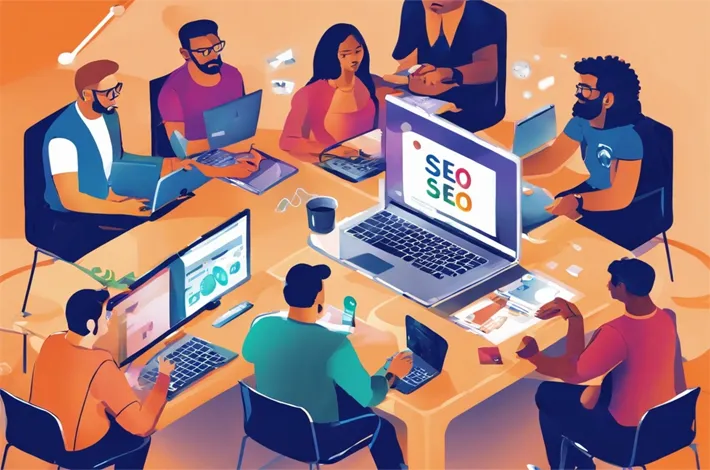
In a striking shift, brands are pushing influencers to write with search engines in mind, giving them specific keywords so that their posts not only catch eyes but also rank on platforms like Google Search, TikTok and emerging AI result pages. What was once a tool for visibility and branding has now become a deliberate component of search engine optimization strategy.
Marketers say this change reflects the reality of how people discover content today. Where influencer campaigns used to focus on engagement or awareness, they are increasingly crafted so that an influencer’s social post or video becomes part of the searchable web inventory, something that can show up not just on social platforms but directly in search engine results and AI‑generated answers.
“Influencers are no longer just amplifiers,” said one digital strategist working with brands on visibility metrics. “Their content is inventory. It gets indexed. It gets pulled into AI summaries. That’s why we provide them with keyword briefs the same way an SEO writer would get them.”
These briefs don’t just list words, they shape the narrative. Creators are asked to mention keywords naturally in spoken scripts, write them into captions, build them into on‑screen text, and embed them in hashtags tic. Behind the scenes, brands study keyword trends across platforms, examine patterns in TikTok and Google Search, and track how content performs in AI overviews.
The move stems from a broader change in how search results are generated. Increasingly, Google and AI answer tools blend traditional hyperlinks with content snippets from user‑generated and social posts. That means an influencer’s TikTok or Instagram video now has the potential to rank for search queries, blurring the line between social content and organic SEO results.
Early adopters in industries such as travel, tech gadgets, and beauty report measurable gains. In some cases, search queries that once returned only news articles or product pages now include influencer clips or captions, effectively turning creators into search signal contributors.
Critics, however, caution about quality dilution and authenticity. “There’s a risk influencers become keyword delivery systems rather than storytellers,” one industry analyst noted. Still, most brands stress they’re not trying to manipulate search but to adapt to an environment where discovery happens everywhere, on feeds, searches, and AI‑powered answer boxes alike.